
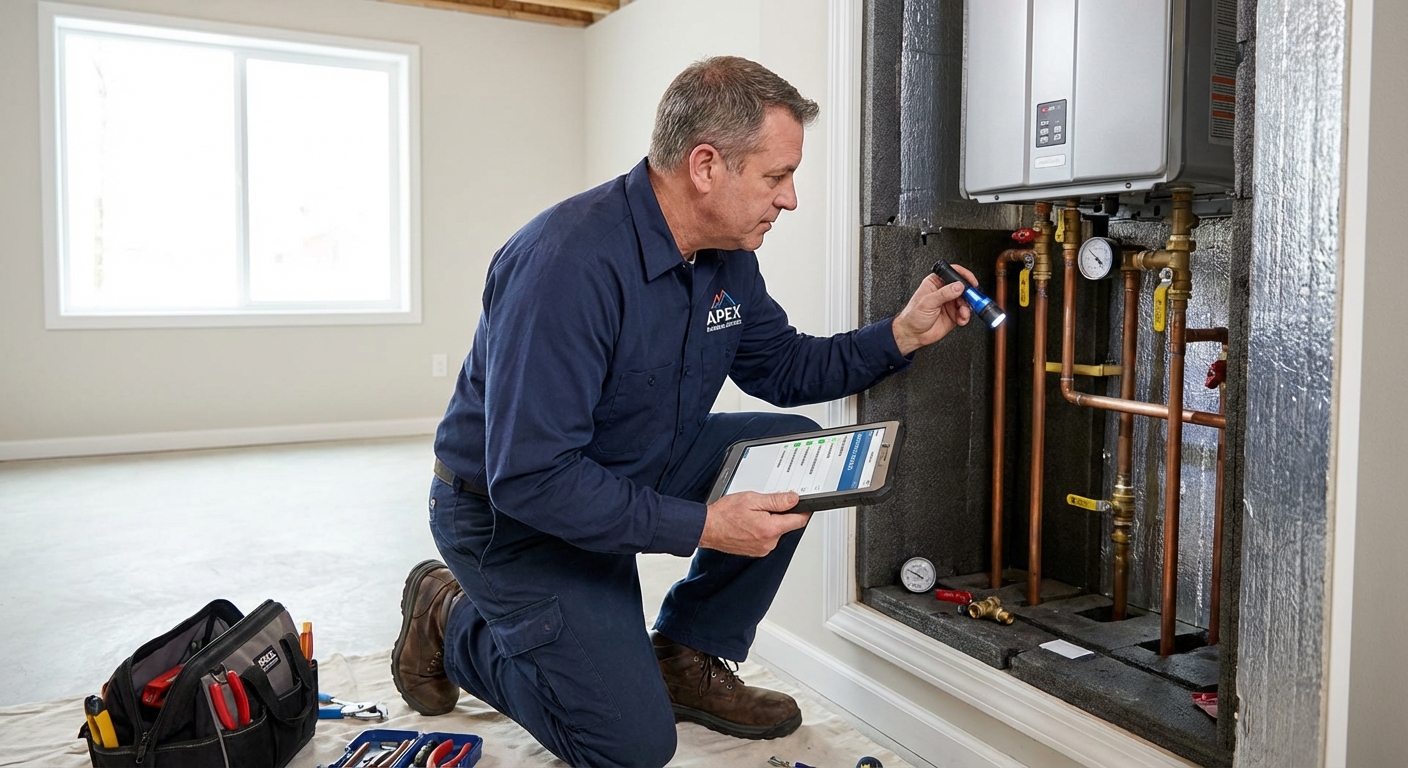
When You Need a Plumbing Inspection
Understanding when to schedule a plumbing inspection can save you thousands in unexpected repair costs. While many homeowners only think about their plumbing when something goes wrong, proactive inspections catch problems before they escalate into expensive emergencies.
Home Purchase Inspections
Buying a home represents one of the most significant financial investments you'll make, making a pre-purchase plumbing inspection essential. Standard home inspections typically include a basic plumbing check, but they may not catch hidden issues lurking beneath surfaces or underground. A dedicated plumbing inspection provides a comprehensive evaluation of the entire system.
For homes built before 1980, specialized inspections become even more critical. Older properties often have outdated materials like galvanized steel or clay pipes that deteriorate over time. These old house plumbing problems won't always show up during a quick visual check, and watching for plumbing red flags during a walkthrough can guide which specialized inspections you need.
Aging Homes and Recurring Problems
Homes over 20 years old should receive professional plumbing inspections every two years at minimum, with annual checks recommended for properties 30+ years old or with original galvanized or cast iron piping. As your home ages, pipes corrode, fixtures wear out, and small leaks develop into major problems. If you're experiencing recurring issues like frequent clogs, persistent low water pressure, or mysterious water stains, these are red flags signaling the need for immediate inspection.
Tree roots pose a particular threat to older properties. Mature trees can infiltrate sewer lines, causing blockages and structural damage that only camera inspection can reveal. Properties with large trees near sewer lines should consider sewer scopes every one to two years to catch root intrusion early.
Preventive Maintenance Schedules
A solid preventive plumbing maintenance routine pairs DIY checks with periodic professional inspections every one to two years for most homes. This approach identifies minor issues before they become costly repairs. Your maintenance schedule should be more frequent if your home has specific characteristics:
- Newer homes (under 15 years, PEX or copper): Every 3 years
- Established homes (15-30 years): Every 2 years
- Older homes (30+ years): Annually
- Rental properties: Annually or more frequent
Seasonal timing matters too. Scheduling an inspection in early winter, before the deepest cold sets in, helps you address vulnerabilities like exposed pipes that could freeze or holiday-stressed systems showing wear. A month-by-month annual plumbing maintenance guide can help you plan around weather and usage patterns.
Before Renovations and Special Circumstances
Major home renovations require plumbing inspections at multiple stages. Before you start, an inspection establishes baseline conditions and identifies necessary upgrades to meet current building codes. During construction, rough-in inspections verify proper installation before walls close up, and final inspections confirm everything works correctly before occupancy.
Special circumstances also warrant inspection attention. If you've experienced a plumbing emergency like a burst pipe, schedule a follow-up inspection to ensure repairs addressed underlying causes. Moving into a previously occupied home? An inspection provides peace of mind about the system's condition and remaining lifespan, even if the previous owner didn't report problems.

Find Trusted & Licensed Plumbers in Ohio
Get matched with companies for your specific needs
What's Included in a Plumbing Inspection
A comprehensive plumbing inspection examines every component of your home's water supply, drainage, and waste systems. Professional plumbers divide inspections into interior areas, water heating systems, and exterior elements to ensure nothing gets overlooked. In 2026, inspectors are also paying closer attention to newer code requirements like thermal expansion tanks, anti-scald mixing valves, and lead service line documentation.
Fixtures and Appliance Connections
Inspectors thoroughly examine all plumbing fixtures throughout your home, testing functionality and checking for leaks. In bathrooms, they inspect toilets for base seals, flapper integrity, and phantom flushes that waste water. Sinks and faucets receive attention for drips, water pressure consistency, and flow rates. Under-sink areas are checked for moisture, mold, and corrosion that indicate hidden leaks.
Kitchen inspections include testing your garbage disposal, checking dishwasher plumbing connections, and verifying ice maker supply lines. Washing machine hoses are inspected for cracks or bulges, with recommendations to upgrade rubber hoses to braided stainless steel for added protection against burst failures.
Pipes and Water Pressure
Visible pipe inspection forms a crucial component of any evaluation. Plumbers examine exposed pipes for leaks, corrosion, mineral buildup, and improper connections that could fail. They check pipe materials to identify outdated systems that may need replacement, particularly in homes with galvanized steel or polybutylene plumbing. Under updated EPA Lead and Copper Rule provisions, pulling a permit in older areas can also trigger requirements to document or replace unknown service line materials.
Water pressure testing is standard procedure. Ideal home water pressure ranges from 40-60 psi, with pressure above 70-80 psi requiring a reduction valve to prevent fixture damage and premature failures. Inspectors test pressure at multiple locations to identify inconsistencies suggesting problems.
Water Heater Evaluation
Water heater inspection involves multiple checks to assess condition and remaining lifespan. Inspectors examine the unit for rust, corrosion, and active leaks around connections or the tank body. The temperature and pressure relief (TPR) valve gets tested to ensure it operates correctly, a critical safety feature that prevents tank explosions.
Temperature settings are verified (ideal at 120°F for safety and efficiency), and the drain valve is checked for proper operation. By 2026, many jurisdictions strictly enforce thermal expansion tanks on closed water systems, and skipping one during a water heater replacement is now a common reason for a failed inspection. Anti-scald mixing valves are also increasingly required, either at the heater or at point-of-use fixtures.
Drainage and Sewer Systems
Drain testing reveals blockages, slow drainage, and venting issues. Inspectors run water through all fixtures, listening for gurgling sounds that indicate venting problems or partial blockages. They check bathtub drains, bathroom sink drains, and kitchen sink drainage for proper flow rates and waste disposal efficiency. Hidden S-traps and improperly placed air admittance valves from unpermitted remodels are frequent failure points uncovered during 2026 inspections.
The main sewer line requires special attention, particularly in older homes. A plumbing camera inspection snakes a fiber-optic camera through the line to detect tree root intrusion, cracks, collapses, or significant corrosion that could lead to sewage backups. Clean-out access points are inspected to ensure you can address future clogs efficiently.
Exterior Plumbing Components
Exterior inspections cover hose bibs, main water shut-off valves, and exterior drainage. Plumbers test outdoor faucets for leaks, vacuum breakers for backflow protection, and verify freeze protection features. Sump pump systems receive testing to confirm operation before you need them during heavy rainfall.
Main water meters are monitored with all fixtures off to detect hidden leaks. If the meter shows movement with no water usage, it indicates an active leak somewhere in the system requiring immediate attention. Inspectors also examine the main water line from the meter to your home for signs of deterioration or leakage.
Plumbing Inspection Costs and Factors
Understanding plumbing inspection costs helps you budget appropriately and choose the right level of service for your needs. Prices vary significantly based on several key factors, with 2026 national averages providing a helpful starting point for planning.
Average Cost Ranges by Inspection Type
Basic visual plumbing inspections typically cost between $100 and $250 in 2026 and cover all accessible fixtures, pipes, and systems visible without specialized equipment. These inspections work well for newer homes or routine maintenance checks where no red flags exist.
| Inspection Type | 2026 Cost Range | What's Included |
|---|---|---|
| Basic Visual | $100-$250 | Fixtures, visible pipes, water heater, pressure testing |
| Camera/Sewer Scope | $250-$500 | Video inspection of sewer lines, recording of findings |
| Comprehensive | $350-$1,700 | Complete visual plus camera inspection of all systems |
| Well Inspection | $250-$550 | Water quality, pump function, pressure tank |
| Septic Inspection | $150-$450 | Tank condition, leach field, bacterial levels |
The national average for a standard plumbing inspection in 2026 sits around $250 to $300, making it a reasonable investment for peace of mind. Angi's 2026 data shows most plumbing projects, including diagnostics and minor work, average about $339 nationally, with a typical project range of $182 to $499. When purchasing a home, this cost is small compared to discovering major plumbing failures after closing. For a deeper breakdown, see our plumbing service cost guide.
Home Size and Complexity
Larger homes require more time to inspect thoroughly, directly impacting costs. A 1,200-square-foot home with two bathrooms takes significantly less time than a 4,000-square-foot home with four bathrooms and multiple laundry areas. With 2026 plumber hourly rates running $75 to $150 for standard residential work and $100 to $200 for specialized work, every extra fixture and system stretches the bill.
System complexity also affects pricing. Homes with tankless water heaters, whole-house water filtration, and sophisticated drainage systems require specialized knowledge and additional testing time. Older homes with mixed pipe materials or multiple plumbing upgrades over the years also take longer to evaluate properly.
Geographic Location Impact
Location significantly influences plumbing inspection costs due to varying labor rates and business overhead. Urban areas with higher costs of living charge premium rates compared to rural locations. For example, Los Angeles homeowners typically pay $375 to $450 per plumbing job in 2026, versus the $339 national average, while Seattle sewer camera inspections can climb into the $1,700+ range when complex access is required.
Regional factors beyond population density also matter. Areas with older housing stock or specific plumbing challenges, like widespread cast iron pipe failures or aggressive tree root problems, may have more competitive inspection markets with specialized services, potentially affecting pricing.
Scope and Urgency Considerations
The inspection scope dramatically affects total costs. A whole-house comprehensive inspection with pressure testing and camera work costs substantially more than checking a single bathroom for problems. Emergency or after-hours inspections add $100 to $500 in additional fees, so scheduling during regular business hours saves money. Knowing typical emergency plumber rates helps you decide whether to wait for normal hours.
Camera sewer line inspections typically add $250 to $500 to basic inspection costs but provide invaluable information about underground pipe conditions. If your home lacks an accessible cleanout, expect total costs to climb toward $700 to $2,000 because installing a new cleanout alone can add $500 to $1,500. For pre-purchase inspections or homes with recurring drain cleaning needs, this specialized service often pays for itself by revealing problems that could cost thousands to repair.
Value Versus Cost Considerations
While focusing on the lowest price is tempting, inspection quality matters more than saving $50 to $100. A thorough inspection by an experienced, licensed plumber catches issues that less qualified inspectors miss. Consider what you're protecting: plumbing failures can cause tens of thousands in water damage, making a $300 to $500 comprehensive inspection a bargain.
For home purchases, inspection costs are negotiable. In competitive markets, sellers may agree to cover inspection costs as part of negotiations. Many plumbing service plans also include annual inspections as part of their package, potentially eliminating out-of-pocket costs for ongoing maintenance.
Understanding Different Inspection Types
Not all plumbing inspections serve the same purpose, and understanding the differences helps you choose the right service for your situation. General inspections provide broad overviews, while specialized inspections dive deep into specific system components.
General Plumbing Inspections
General plumbing inspections, often included as part of standard home inspections, provide surface-level evaluation of your entire plumbing system. These visual assessments check accessible fixtures, faucets, drains, water heaters, and visible pipes for obvious problems like leaks, corrosion, or improper installation.
Home inspectors performing general plumbing checks have broad knowledge but may lack specialized plumbing expertise. They identify red flags and functional issues but typically don't use advanced diagnostic equipment. If they discover concerns, they recommend bringing in licensed plumbers for deeper evaluation.
Specialized Sewer Camera Inspections
Sewer line camera inspections represent the most valuable specialized service for homeowners, particularly those purchasing older properties. This diagnostic procedure involves inserting a fiber-optic camera mounted on a flexible cable through the main sewer line, providing real-time video of the pipe's interior condition.
Camera inspections reveal problems invisible during visual checks, including tree root intrusion, pipe cracks, joint separation, corrosion, collapsed sections, and blockages forming from grease or debris buildup. The recorded video provides documentation for insurance claims, contractor estimates, and negotiating repair costs with sellers.
When to Choose Specialized Inspections
Certain situations demand specialized inspection beyond general visual checks. Homes built before 1980 with original cast iron or clay sewer pipes should always receive camera inspection, as these materials deteriorate predictably over time. Properties with mature trees near sewer lines need regular camera checks to catch root intrusion before major damage occurs.
If you're experiencing recurring backups, slow drains throughout the house, or sewage odors, a camera inspection identifies the root cause quickly. This targeted approach prevents wasting money on temporary fixes when sewer line replacement is ultimately necessary.
Comprehensive Combined Inspections
The most thorough option combines visual inspection with specialized testing and camera work. Comprehensive inspections include pressure testing of supply lines, thermal imaging to detect hidden leaks, water quality testing, and complete sewer line evaluation. These extensive inspections cost $350 to $1,700 in 2026 but provide complete system evaluation.
Pre-purchase inspections for older or high-value homes benefit from comprehensive approaches. Spending an extra few hundred dollars reveals issues that could cost $10,000 to $25,000 to repair, offering tremendous value and negotiating power. Some plumbing companies offer package deals combining multiple inspection types at discounted rates.
Ongoing Maintenance Inspections
Annual maintenance inspections differ from pre-purchase or problem-focused evaluations. These routine checks monitor your system's condition over time, catching deterioration before it causes failures. Maintenance inspections cost less than comprehensive evaluations because they focus on changes since the last visit rather than complete system assessment.
Many plumbing service companies offer annual inspection programs as part of maintenance plans. These programs often include priority scheduling, discounts on repairs, and detailed record-keeping that tracks your system's aging patterns. For homeowners committed to preventive maintenance, these programs provide excellent value.
Value for Home Buyers and Inspection Reports
For home buyers, plumbing inspections represent one of the smartest investments you'll make during the purchase process. The relatively small upfront cost protects you from catastrophic expenses and provides leverage during negotiations.
Pre-Purchase Inspection Benefits
Discovering plumbing problems before closing gives you options that evaporate once you own the property. Major issues like failing sewer lines, corroded pipes, or inadequate water heaters become your responsibility and expense after purchase. A thorough inspection reveals these problems when you can still negotiate repairs, request seller credits, or walk away from a bad deal.
According to the National Association of Realtors, supply pipe replacement alone can range from $1,500 to $15,000, making documented plumbing defects a credible basis for negotiation. Discovering that a home needs a major sewer line replacement before purchase allows you to adjust your offer accordingly, factor the cost into your budget, or choose a different property.
What Inspection Reports Reveal
Professional plumbing inspection reports document every component of your system, typically including photographs or video of problem areas. Reports categorize findings by severity: immediate safety concerns, problems requiring near-term attention, and items to monitor over time.
Detailed reports specify remaining lifespan estimates for major components like water heaters, describe material types throughout the system, and note code compliance issues that could affect insurance or resale. Reports also identify potential plumbing code violations like missing expansion tanks or improperly vented fixtures, making future corrections easier to plan.
Understanding Report Findings
Reading inspection reports requires understanding plumbing terminology and severity ratings. Most reports use grading systems (like A-D or color coding) to indicate urgency. "A" or green items are satisfactory, "B" or yellow items need monitoring, and "C-D" or red items require immediate action.
Pay special attention to sections addressing water heaters, sewer lines, and supply pipe materials. These big-ticket items represent the most significant financial risk. A water heater nearing the end of its typical 10-12 year lifespan should factor into your purchase decision, as replacement costs $1,500 to $3,500 for traditional units in 2026, and even more for tankless or heat pump models.
Negotiating Repairs and Credits
Armed with an inspection report, you have several negotiation options. You can request sellers make specific repairs before closing, ask for a credit toward your closing costs to cover future repairs, or negotiate a lower purchase price reflecting the plumbing system's condition.
For major issues, getting repair estimates from licensed plumbers strengthens your negotiating position. If the report reveals a failing sewer line, obtain two or three estimates for replacement. Present these to the seller with a formal request for credit or price reduction. Most sellers prefer offering credits over managing repairs themselves.
Post-Purchase Planning
Even if negotiations result in seller repairs or credits, maintain your inspection report for future reference. It provides a baseline for your home's plumbing condition and helps you prioritize maintenance and upgrades. Reports also help when working with future plumbers, who can review past findings and understand your system's history.
Schedule follow-up inspections based on report recommendations. If the inspector noted concerns about a water heater with 2-3 years of remaining lifespan, plan for replacement and start budgeting accordingly. Proactive planning prevents emergency plumber situations that cost 2-3 times more than planned replacements.
Frequently Asked Questions
How long does a typical plumbing inspection take?
A standard whole-house plumbing inspection usually takes 2-3 hours to complete, depending on home size and system complexity. Basic visual inspections of smaller homes may take only 60-90 minutes, while comprehensive inspections with camera work can extend to 4-5 hours for larger properties. The inspector will need access to all areas containing plumbing, including basements, crawl spaces, attics, and utility areas, so plan accordingly and ensure these spaces are accessible before the scheduled appointment.
Are plumbing inspections required when buying a home?
Plumbing inspections are not legally required for most home purchases, but they're strongly recommended, especially for homes over 20 years old. While standard home inspections include basic plumbing checks, they often miss hidden problems in sewer lines or behind walls. Lenders may require specialized inspections if the general home inspection reveals significant plumbing concerns. Some mortgage types, like FHA loans, have stricter requirements and may mandate corrections for certain plumbing issues before approval, making upfront inspection even more valuable.
What's the difference between a plumbing inspection and a home inspection?
A general home inspection provides a broad overview of all major home systems, including plumbing, electrical, structural, and HVAC components, while a dedicated plumbing inspection focuses exclusively on water supply, drainage, and waste systems with specialized equipment and expertise. Home inspectors check for obvious plumbing problems but typically don't use camera equipment or perform invasive testing. Licensed plumbers conducting specialized inspections bring deeper expertise and use advanced diagnostic tools like thermal imaging, pressure testing equipment, and sewer cameras to identify subtle issues general inspectors might miss.
Can I perform my own plumbing inspection?
While homeowners can conduct basic plumbing checks like testing faucets, looking for visible leaks, and monitoring water pressure, professional inspections provide value that DIY approaches cannot match. Licensed plumbers have specialized training to recognize early warning signs, understand 2026 code requirements like expansion tanks and mixing valves, and use diagnostic equipment like cameras and pressure testing tools. They also provide official documentation valuable for home purchases, insurance claims, and warranty purposes. For routine monitoring between professional inspections, homeowners should check for leaks under sinks, listen for running toilets, watch for slow drains, and monitor water bills for unexplained increases.
How often should I schedule preventive plumbing inspections?
Most plumbing professionals recommend scheduling inspections every 2 years for homes under 20 years old, every 2 years for homes aged 20 to 30, and annually for older properties or those with recurring issues. Homes built before 1960 with original plumbing may benefit from annual inspections due to aging pipe materials and increased failure risk. Sewer lines should be camera-inspected every 3-5 years for newer PVC lines and every 1-2 years for older clay or cast iron lines. Adjust your schedule based on water quality, usage patterns, and any warning signs like persistent odors, pressure changes, or frequent clogs.