
Understanding Sewer Line Repair Methods and Costs
Traditional Excavation Method
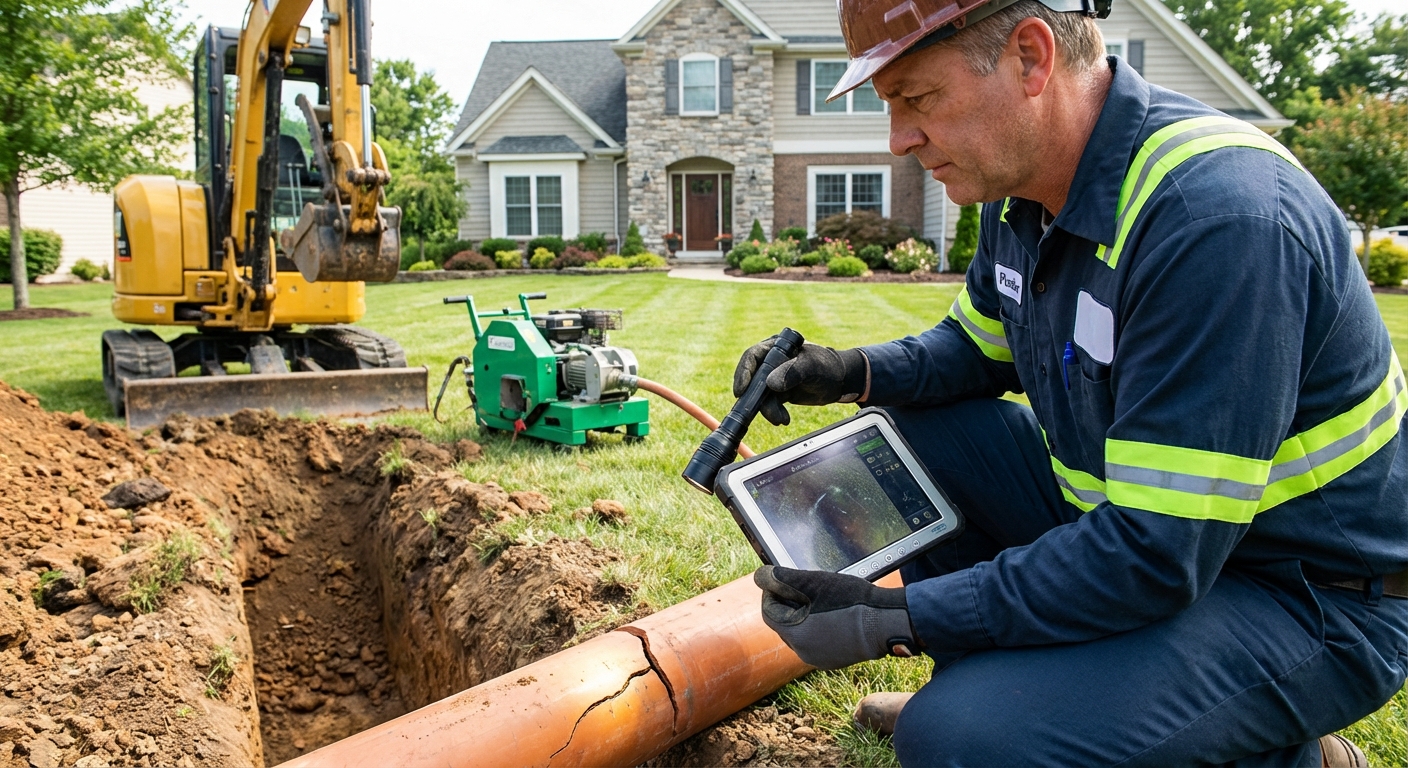
Traditional excavation involves digging trenches to access damaged sewer lines. This method costs between $50 and $250 per linear foot, with total project costs typically ranging from $3,000 to $7,000 for standard repairs in 2026. Costs can escalate to $20,000 or more for complex situations involving deep pipes or extensive damage.
The excavation process requires:
- Heavy equipment to dig trenches
- Removal and disposal of old pipes
- Installation of new piping
- Backfilling trenches
- Restoration of landscaping, driveways, or flooring
While traditional excavation often has lower per-foot costs initially, restoration expenses add $4 to $12 per linear foot to the total project. This method proves most cost-effective for accessible lines in open areas but becomes significantly more expensive when pipes run under concrete slabs, driveways, or mature landscaping.
Trenchless Repair Methods
Trenchless technology has revolutionized sewer line repair by minimizing excavation needs. These methods generally cost $90 to $250 per linear foot but often prove more economical overall due to reduced restoration costs. Nationally, trenchless sewer line replacement typically runs between $1,900 and $6,000 for smaller jobs, with most full projects landing in the $4,000 to $15,000 range. Learn more about trenchless sewer repair to see if it's the right fit for your home.
Common trenchless techniques include:
Trenchless methods preserve existing landscapes, foundations, and structures while completing repairs in 1 to 3 days versus the week or more required for traditional excavation. Under-slab situations particularly benefit from trenchless approaches, with specialized tunneling methods costing $250 to $450 per foot but eliminating the need to demolish flooring.
New 2026 developments include UV and LED light-cured CIPP liners for faster installs, eco-friendly low-emission resins, robotic cutters that perform spot repairs from inside the pipe, and smart liners with embedded sensors that monitor pipe health in real time. These advancements have made trenchless repairs more durable and less disruptive than ever.
Cost Comparison by Project Type
| Repair Scenario | Traditional Excavation | Trenchless Method |
|---|---|---|
| Spot repair (20-50 ft) | $1,300-$6,000 | $3,500-$6,500 |
| Partial replacement (50-100 ft) | $3,500-$12,000 | $4,500-$15,000 |
| Full replacement (100+ ft) | $5,500-$20,000 | $8,000-$25,000 |
| Under-slab repair | $10,000-$25,000 | $8,000-$20,000 |

Find Trusted & Licensed Plumbers in Ohio
Get matched with companies for your specific needs
Factors That Affect Sewer Line Repair Costs
Pipe Length and Depth
The length of your sewer line directly impacts material and labor costs. Most residential sewer lines run 50 to 150 feet from the house to the street connection, with pricing calculated per linear foot. Depth presents another significant cost factor. Pipes buried 3 to 4 feet deep require basic excavation, while those 6 to 8 feet or deeper need specialized equipment and additional labor, potentially doubling excavation costs.
Accessibility and Location
Sewer lines running through open grass areas cost significantly less to repair than those beneath:
- Concrete driveways or patios
- Mature trees and landscaping
- Basement floors or foundation slabs
- Public sidewalks or streets
Urban properties face additional challenges including permits for street work, traffic control requirements, and coordination with utility companies to avoid damaging other underground infrastructure. These factors can add $1,000 to $5,000 to project costs.
Extent of Damage
Damage severity creates the widest cost variations. Learn more about drain cleaning methods for minor blockages before they become major problems.
- Minor repairs (small cracks, single joint issues): $1,300-$4,000
- Moderate damage (multiple cracks, root intrusion): $3,500-$8,000
- Severe damage (collapsed sections, extensive corrosion): $8,000-$25,000+
A professional camera inspection ($150-$500) provides precise damage assessment, preventing unnecessary repairs and ensuring appropriate method selection.
Pipe Materials
Material choices affect both repair difficulty and long-term durability:
| Pipe Material | Characteristics | Cost Impact |
|---|---|---|
| PVC | Modern standard, durable, easy to work with | Lower repair costs |
| Cast Iron | Common in older homes, prone to corrosion | Moderate to high costs |
| Clay | Vintage material, brittle and root-prone | Higher costs, often requires replacement |
| Orangeburg | Fiber pipes from 1945-1970s, deteriorates easily | Usually requires full replacement |
Older materials like clay and cast iron often fail to meet current building codes, necessitating full section replacements rather than simple patches. If your home has aging metal pipes, learn more about cast iron pipe replacement options.
Signs You Need Sewer Line Repair
Common Warning Signals
Recognizing sewer line problems early can prevent catastrophic failures and minimize repair costs. Watch for these telltale signs:
Multiple Slow or Backed-Up Drains: When several fixtures drain slowly simultaneously, the main sewer line likely has a blockage or damage. A single slow drain typically indicates a localized clog, but system-wide drainage issues point to sewer line problems.
Sewage Odors: Persistent sewer smells inside or outside your home indicate cracks or breaks allowing sewage gases to escape. These odors won't disappear with regular cleaning and require professional investigation.
Unusual Sounds: Gurgling or bubbling noises from toilets, sinks, or drains when using plumbing fixtures suggest air trapped in pipes due to blockages or improper venting caused by sewer line damage.
Yard Changes: Watch for unexplained wet spots, sinkholes, or unusually lush, green patches of grass, especially during dry weather. These indicate sewage leaking underground, with the waste acting as fertilizer. If you also notice hidden moisture indoors, water line leak detection services can help locate the source.
Advanced Symptoms
More severe indicators requiring immediate attention include:
- Sewage backing up into tubs, showers, or toilets
- Visible foundation cracks or settling
- Increased pest activity (rodents, insects attracted to leaks)
- Mold growth in unexpected areas
- Unexplained spikes in water bills
- Toilet water levels fluctuating without use
If you suspect leaks beneath your home's foundation, see our guide to slab leak repair for related symptoms and solutions.
Diagnosing Sewer Line Problems
Professional Inspection Methods
While homeowners can observe symptoms, accurate diagnosis requires professional tools:
Camera Inspection: Plumbers insert waterproof cameras through cleanout access points, providing real-time video of pipe interiors. This reveals cracks, root intrusion, corrosion, misaligned joints, and collapses. Most residential inspections cost $150 to $500, with prices climbing higher for difficult access or detailed written reports.
Hydrostatic Testing: For suspected leaks, plumbers seal pipes and fill them with water to detect pressure drops indicating leaks. This method precisely locates damage areas.
Smoke Testing: Professionals pump non-toxic smoke into sewer lines to identify crack locations by observing where smoke escapes to the surface.
What Homeowners Can Do
Before calling professionals, document these observations:
- Which fixtures show problems and when issues occur
- Patterns in drainage problems (time of day, weather conditions)
- Recent changes to landscaping or construction nearby
- Age and material of existing sewer lines
- Location of visible problems like wet spots or odors
This information helps plumbers diagnose issues more efficiently, potentially reducing diagnostic costs. For urgent issues, our plumbing service cost guide can help you budget appropriately.
Repair vs. Replacement: Making the Right Decision
When Repair Makes Sense
Sewer line repair proves most cost-effective for:
- Localized damage in small sections (under 30 feet)
- Minor cracks or single joint offsets
- Pipes less than 40 years old in good overall condition
- Recent blockages from roots or debris in otherwise sound pipes
- Limited budget requiring an immediate temporary fix
Spot repairs typically cost $1,300 to $4,000, providing solutions that extend line life by 5 to 15 years when underlying pipe structure remains sound.
When Replacement Is Better
Full replacement becomes the smarter investment for:
Age-Related Deterioration: Pipes over 40 years old, especially clay, cast iron, or Orangeburg materials, show systemic weakness. Repeated repairs prove more expensive than replacement over time. See our sewer line replacement cost guide for full 2026 pricing details.
Multiple Problem Areas: When camera inspections reveal damage in several locations, piecemeal repairs create a "domino effect" where fixing one section stresses others, causing new failures.
Frequent Backups: Recurring issues despite previous repairs indicate fundamental problems that temporary fixes can't resolve.
Material Obsolescence: Older pipe materials no longer meeting building codes require replacement during any major repair project.
Long-Term Homeownership: Planning to stay in your home 10+ years makes replacement more economical, eliminating future repair costs and potential emergency situations.
Cost-Benefit Analysis
Consider total cost over time rather than just immediate expenses. Three repairs at $3,500 each over ten years ($10,500) exceed typical replacement costs ($6,000 to $10,000) while providing inferior results.
Insurance Coverage Considerations
Standard Homeowners Insurance
Most standard homeowners insurance policies do not cover sewer line repairs caused by:
- Normal wear and tear
- Tree root damage
- Corrosion and aging
- Ground settling or shifting
- Lack of maintenance
Standard policies only cover sewer damage from specific named perils like fire, lightning, vehicle impact, or sudden collapse from external forces, which are extremely rare scenarios for underground pipes. If damage qualifies, the sewer line is typically treated as an "other structure" with a limit equal to about 10% of your dwelling coverage.
Service Line Coverage Endorsements
The most practical insurance solution involves adding a service line endorsement (also called sewer line coverage) to your existing homeowners policy. Industry analysis in 2026 puts the typical cost at around $20 to $50 per year, often closer to $25 to $35 annually, with coverage limits between $10,000 and $20,000 per occurrence. A separate deductible of around $500 is common for service line claims.
This optional coverage typically covers:
- Underground sewer, water, gas, electric, and cable lines
- Damage from root intrusion, corrosion, deterioration, and freezing
- Excavation, repair, backfilling, and landscape restoration
- Loss of use if your home is uninhabitable during repairs
Alternative Coverage Options
Water Backup Endorsements: A separate add-on that covers interior damage from sewage backups or sump pump failures. Typical cost is $50 to $250 per year depending on limits.
Utility Company Programs: Some municipalities offer sewer line insurance or protection plans separate from homeowners insurance. Pricing varies widely, with some city programs charging around $143 per year for sewer-only coverage.
Specialized Sewer Insurance: Third-party providers like HomeServe and American Water Resources offer standalone sewer line protection plans, typically costing $8 to $20 monthly with coverage limits of $6,000 to $10,000.
Filing Claims
When filing insurance claims for covered sewer damage:
- Document damage with photos and videos
- Obtain professional inspection reports
- Keep all repair estimates and invoices
- File claims promptly (most policies require notification within 30 to 60 days)
- Understand your deductible and coverage limits
Remember that homeowners remain responsible for the sewer lateral, which is the line from your house to the street connection point. For pipe-related emergencies that can damage your home interior, our burst pipe repair guide covers what insurance will and won't pay for.
Preventing Sewer Line Damage
Regular Maintenance Practices
Proactive maintenance significantly extends sewer line life and prevents costly repairs:
Professional Inspections: Schedule camera inspections every 3 to 5 years for homes under 40 years old, annually for older properties. This $150 to $500 investment identifies developing problems before they cause failures.
Hydro Jetting: Professional high-pressure water cleaning every 18 to 24 months removes accumulated debris, grease, and minor root intrusions that cause blockages. Costs typically run $350 to $600 per service.
Enzyme Treatments: Monthly enzyme-based drain treatments (not chemical cleaners) help break down organic waste and prevent buildup. These cost $10 to $20 monthly and protect pipes from harsh chemical damage.
Root Management
Tree roots cause up to 50% of sewer line blockages and damage. Protect your lines by:
- Planting trees at least 10 feet from sewer lines
- Choosing small root species near sewer paths
- Installing root barriers ($300 to $800) during landscaping projects
- Removing problematic trees growing near existing lines
- Treating with root-killing products ($50 to $100) containing copper sulfate annually
Proper Usage Habits
Many sewer problems stem from what homeowners flush or drain:
Never flush: Wipes (even "flushable" ones), feminine products, diapers, paper towels, cat litter, medications, cooking grease, or coffee grounds.
Do flush/drain: Human waste, toilet paper, water, and properly dissolved enzymatic drain treatments.
Install protection: Drain screens ($5 to $15) catch hair and debris before entering pipes. Grease traps for kitchen sinks prevent oil buildup.
Climate-Related Protection
In cold climates, frozen pipes cause sewer line damage through expansion and contraction:
- Insulate exposed pipes in crawl spaces and basements
- Maintain a minimum 55°F indoor temperature during winter
- Allow a small water trickle during extreme cold
- Disconnect and drain outdoor hoses before freezing weather
Older homes are particularly vulnerable to cold-weather plumbing failures. Our guide on old house plumbing problems covers preventative steps for aging systems.
Documentation and Monitoring
Keep detailed records of your sewer system:
- Original installation dates and materials
- Inspection reports and camera footage
- Repair history with dates and costs
- Property plat showing sewer line location
- Maintenance schedules and service receipts
This documentation proves invaluable for insurance claims, home sales, and diagnosing future issues. If you need help paying for major work, explore plumbing financing options before scheduling repairs.
Frequently Asked Questions
How much does sewer line repair typically cost in 2026?
Sewer line repair costs in 2026 range from $1,300 to $5,400 nationally, with the average homeowner paying around $3,300 to $3,500 for standard repairs. Minor fixes like small cracks or localized root removal cost $1,300 to $4,000, while extensive repairs can approach $8,000 or more. Costs vary significantly based on pipe length (calculated per linear foot), depth, accessibility, local labor rates, and chosen repair method.
Is trenchless sewer repair worth the extra cost?
Trenchless repair absolutely justifies higher per-foot costs when damage occurs under driveways, patios, landscaping, or building foundations. While trenchless methods cost $90 to $250 per linear foot versus traditional excavation's $50 to $250 range, total project costs often prove lower once you factor in restoration expenses. Traditional excavation adds $4 to $12 per foot for landscape repair and concrete replacement, while trenchless technology completes projects in days rather than weeks with minimal property disruption.
How can I tell if my sewer line needs repair or replacement?
A professional camera inspection provides definitive answers, but general guidelines suggest repair for localized damage affecting less than 30 feet of pipe, while replacement makes sense for multiple problem areas, pipes over 40 years old, or recurring issues despite previous repairs. Repairs typically suffice when overall pipe structure remains sound with isolated cracks or blockages. Replacement becomes necessary when inspections reveal widespread corrosion, multiple cracks, or obsolete materials like Orangeburg or deteriorating clay.
Does homeowners insurance cover sewer line repair?
Standard homeowners insurance typically does not cover sewer line repairs caused by common issues like wear and tear, tree roots, corrosion, or aging. Coverage only applies when damage results from named perils such as fire, lightning, or sudden collapse from external forces. Adding an optional service line endorsement provides coverage for typical sewer problems, costing roughly $20 to $50 annually with $10,000 to $20,000 in coverage limits. This endorsement must be purchased before problems develop for insurers to approve claims.
How long does sewer line repair take?
Traditional excavation repairs typically require 3 to 7 days depending on damage extent, pipe depth, and restoration complexity. Trenchless repairs complete more quickly, usually finishing in 1 to 3 days since minimal excavation and restoration occur. Simple spot repairs may take just 4 to 8 hours, while full line replacements require several days regardless of method. Weather conditions, permit approval times, and accessibility challenges can extend these timelines.