
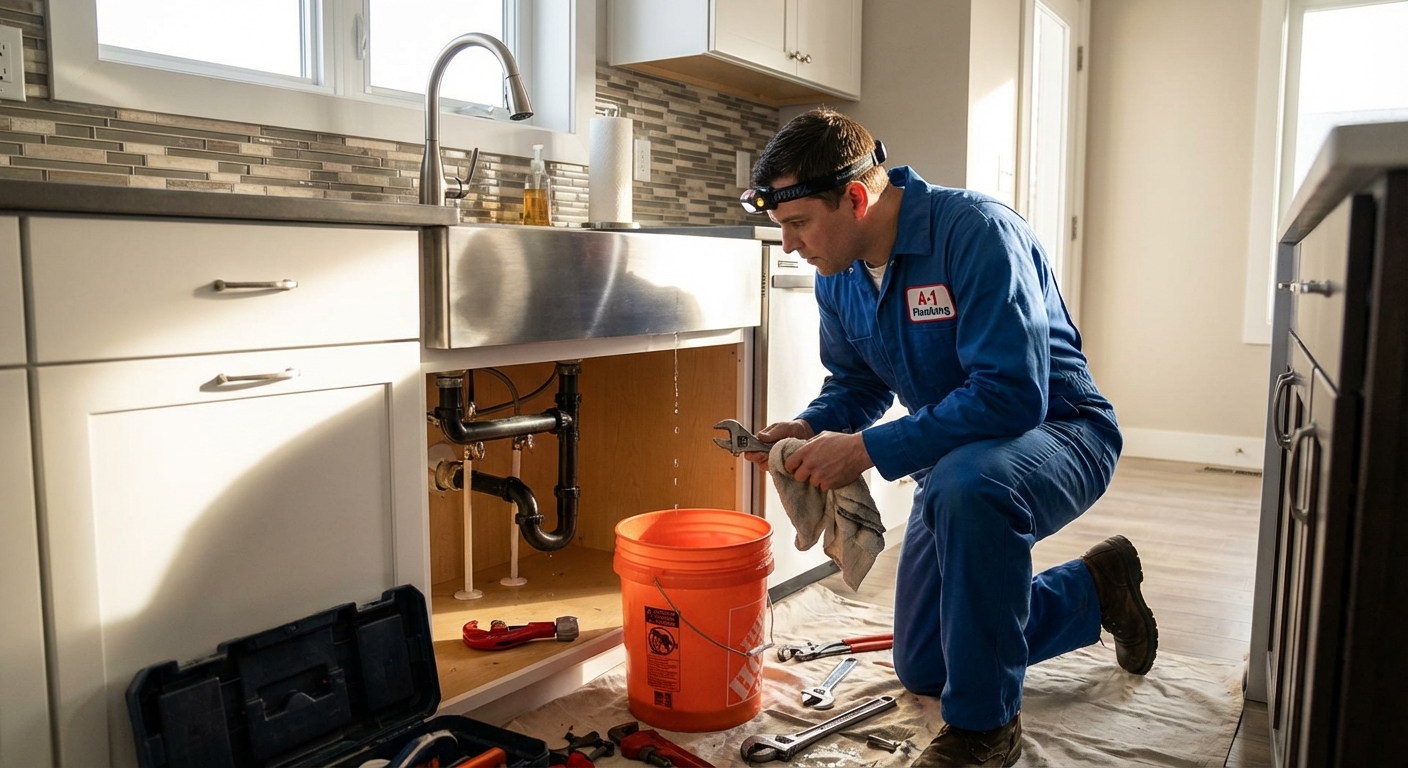
Understanding Emergency Plumber Rates and Service Fees
Emergency plumbers charge significantly more than standard plumbing services due to the urgency and inconvenience of responding outside normal business hours. In 2026, emergency plumber hourly rates typically range from $150 to $350 per hour, with a national average around $170 to $250 per hour. By comparison, standard plumber hourly rates during regular business hours run $45 to $200 per hour.
Beyond hourly charges, most emergency plumbers assess a service call fee between $150 and $250 just to come to your home, though some markets see fees as low as $100 or as high as $300. This fee typically covers the initial diagnosis, travel time, and sometimes the first 30 minutes to an hour of labor, though policies vary by company. Always clarify what's included before agreeing to service.
How Timing Affects Emergency Plumbing Costs
The time you call for emergency plumbing service dramatically impacts your final bill. Emergency plumbers charge premium rates ranging from 1.5 to 3 times normal rates for after-hours, weekend, and holiday service.
Here's what you can expect to pay based on when you need service in 2026:
- After-hours weekday calls (evenings and overnight): $150-$300 per hour
- Weekend emergencies (Saturday and Sunday): $200-$350 per hour
- Holiday service (major holidays): $250-$500+ per hour
The premium pricing reflects plumbers sacrificing personal time and maintaining 24/7 availability for genuine emergencies. Understanding these rates helps you decide whether your situation truly requires immediate attention or can wait until regular business hours.

Find Trusted & Licensed Plumbers in Ohio
Get matched with companies for your specific needs
Common Emergency Plumbing Repairs and Their Costs
Understanding typical 2026 costs for common plumbing emergencies helps you budget appropriately and recognize fair pricing when you receive quotes.
Burst Pipe Repairs
Burst pipe repairs are one of the most common and potentially expensive plumbing emergencies. National 2026 data shows most repairs fall in the $400 to $2,000 range, with costs varying dramatically based on pipe location and accessibility:
- Accessible pipes (under sinks, exposed basement pipes): $400-$800
- Kitchen or in-wall pipes: $500-$1,500
- Pipes behind walls requiring drywall removal: $1,000-$3,000
- Underground or basement complex access: $2,000-$5,000
- Frozen pipe repairs: $300-$1,500+
The wide cost range reflects the complexity involved. A simple repair to an exposed copper pipe costs far less than excavating to reach a damaged line. Emergency frozen pipe repairs often land on the higher end during winter months when plumbers are in peak demand.
Drain Clogs and Blockages
Drain clearing costs depend on the clog's severity and location. National data for 2026 shows the typical homeowner pays between $186 and $549 for drain cleaning, with an average around $246.
| Clog Type | Average Cost Range |
|---|---|
| Simple sink/shower drain | $100-$300 |
| Toilet clog | $150-$360 |
| Main line snaking | $200-$500 |
| Hydro-jetting severe clogs | $300-$1,400 |
Basic snaking for straightforward clogs stays on the lower end, while stubborn blockages requiring hydro-jetting equipment or camera inspection cost considerably more. Regular preventive plumbing maintenance can help you avoid these emergency expenses entirely.
Sewer Line Issues
Sewer problems rank among the most expensive plumbing emergencies due to their complexity and potential health hazards:
- Main sewer line clogs: $1,300-$5,100
- Sewer backups: $650-$3,800
- Tree root removal: $1,500-$4,000
- Sewer line replacement: $2,000-$10,000+
Sewer emergencies often require specialized equipment like sewer cameras, high-pressure jetting, or even excavation for line replacement. Traditional dig-and-replace projects typically run $50 to $250 per linear foot, while trenchless options range from $80 to $250 per foot.
Water Heater Failures
Water heater emergencies can flood your home or leave you without hot water:
- Emergency repairs: $150-$1,200
- Tank water heater replacement (40-50 gallon installed): $1,200-$2,800
- Tankless water heater replacement: $2,500-$5,600
- Gas line repairs: $120-$1,350
Emergency water heater repair costs vary based on the failing component. A simple thermostat replacement costs far less than a tank replacement after a catastrophic leak. Age plays a significant role. Water heaters over 10 years old often warrant replacement rather than repair.
Key Factors That Influence Emergency Plumbing Pricing
Several variables beyond the basic repair determine your final emergency plumbing bill. Understanding these factors helps you anticipate costs and make informed decisions.
Geographic Location Impact
Where you live significantly affects emergency plumber rates. Urban areas command higher prices due to increased demand, elevated operating costs, and higher cost of living. Rural homeowners may find lower hourly rates but could face substantial travel fees.
Urban vs. Rural Pricing Examples:
- Major metros (Boston, NYC, San Francisco): $300-$1,800 for typical emergencies
- Mid-sized cities (Cincinnati, Charlotte, Phoenix): $265-$1,350 for similar repairs
- Rural areas: Base rate may be lower, but expect $100-$200 travel fees if you're outside the plumber's standard service radius
Coastal and northern states typically see higher rates than southern and midwestern regions. Research local average rates to recognize fair pricing in your market.
Plumber Experience and Licensing Level
A plumber's credentials and experience directly correlate with their rates:
- Apprentice plumbers: $40-$75 per hour (standard hours)
- Licensed journeyman plumbers: $75-$150 per hour
- Master plumbers: $125-$200+ per hour
For emergency calls, these rates increase by the 1.5-3x multiplier. While master plumbers cost more, their expertise often results in faster diagnosis and more reliable repairs, potentially saving money long-term. Always verify licensing and insurance before allowing anyone to work on your plumbing system.
Repair Complexity and Scope
The nature of your plumbing emergency plays perhaps the largest role in determining costs. Simple repairs like replacing a wax ring, tightening connections, or clearing straightforward clogs stay on the lower end of pricing scales. These jobs require basic tools and limited time.
Complex repairs involving specialized equipment, multiple system components, or extensive demolition and reconstruction dramatically increase costs. Examples include:
- Repairs requiring wall or floor removal
- Issues involving multiple fixtures or zones
- Problems requiring specialized diagnostic equipment
- Repairs needing permits or inspections
Some plumbers use flat-rate pricing while others bill hourly. Flat-rate pricing provides cost certainty but may cost more for simple fixes. Hourly billing offers better value for straightforward repairs but can become expensive for complicated issues.
Smart Strategies to Reduce Emergency Plumbing Costs
While you can't avoid all plumbing emergencies, smart planning and preventive care significantly reduce both the frequency and cost of emergency calls.
Preventive Maintenance That Saves Money
Regular plumbing maintenance prevents many emergencies before they occur. Implement these practices to avoid costly after-hours calls.
Monthly tasks:
- Check for leaks around toilets, faucets, and visible pipes
- Test all drains for proper drainage speed
- Listen for running water when all fixtures are off
- Inspect washing machine and dishwasher hoses for bulging or cracks
Quarterly tasks:
- Clean faucet aerators and showerheads
- Test your sump pump by pouring water into the pit
- Inspect exposed pipes for corrosion or mineral deposits
- Clear drain stoppers of hair and debris
Annual tasks:
- Flush your water heater to remove sediment buildup
- Have a professional inspect your plumbing system
- Test water pressure (should read 40-65 psi)
- Inspect outdoor spigots and sprinkler systems
- Replace old washing machine hoses every 5 years
Following an annual plumbing maintenance schedule costs $150-$300 annually but can prevent thousands in emergency repairs and water damage restoration.
Knowing When to Call vs. Wait
Not every plumbing problem requires immediate emergency service. Making the right call saves hundreds of dollars in after-hours premiums.
Call an emergency plumber immediately for:
- Burst pipes causing active flooding
- Sewage backups into your home
- No water supply to the entire house
- Gas leaks (evacuate first, call from outside)
- Major water heater leaks flooding your space
- Frozen pipes that have burst or are bulging
Wait for regular business hours for:
- Slow drains that aren't completely blocked
- Minor drips you can contain with a bucket
- Running toilets you can temporarily shut off via the supply valve
- Small leaks you've stopped using the main water shutoff
- Low water pressure without other symptoms
If you can safely shut off the water supply and contain the issue, waiting until morning often saves $200-$500 in after-hours premiums while getting equally effective repairs. Our plumbing emergency guide walks through exactly what to do before help arrives.
Finding Affordable Emergency Plumbers
Even during emergencies, you can take steps to find fair pricing:
Get multiple quotes when possible. If your situation allows even 30 minutes, call 2-3 highly-rated plumbers for phone estimates. Learning how to get an accurate plumbing estimate helps you compare quotes apples-to-apples.
Check credentials thoroughly. Verify the plumber is properly licensed and insured in your state. Check reviews on Google, Yelp, and Angi. A plumber with consistently high ratings often provides better value through quality work and fair pricing.
Ask about membership programs. Many companies offer plumbing service plans ($150-$600/year) that include discounted emergency rates, waived service fees, priority scheduling, and annual maintenance visits. For homeowners in older properties, these programs often pay for themselves.
Insurance Coverage and Payment Options for Emergency Plumbing
Understanding how insurance handles plumbing emergencies helps you navigate claims and minimize out-of-pocket expenses.
What Homeowners Insurance Typically Covers
Standard homeowners insurance provides limited coverage for plumbing emergencies. The key distinction lies between the plumbing repair itself and resulting damage.
Usually covered:
- Water damage to walls, floors, and ceilings from sudden pipe bursts
- Damage to belongings from accidental plumbing failures
- Structural repairs needed after burst pipes
- Sudden and accidental water heater leaks causing damage
Usually NOT covered:
- The cost to repair or replace the plumbing components themselves
- Gradual leaks or damage from neglect
- Routine maintenance and normal wear and tear
- Sewer backups (requires separate coverage)
- Damage from frozen pipes if the home was unoccupied without proper winterization
Your insurance may pay to repair water-damaged drywall and flooring after a burst pipe, but you'll pay out-of-pocket for the plumber to fix the pipe itself. Review your policy's specific water damage provisions and consider adding optional coverages like water backup protection and service line coverage.
Home Warranty Coverage for Plumbing
Home warranties differ significantly from homeowners insurance. In 2026, home warranty plans that include plumbing coverage typically cost $460-$840 per year (roughly $40-$70 per month), with service call fees of $65-$125 per visit.
Home warranty benefits:
- Covers the actual plumbing repair costs
- Predictable flat service fee per call
- Includes routine repairs and component failures
- Covers interior plumbing systems
Home warranty limitations:
- Pre-existing conditions usually excluded
- Coverage caps per year or per incident
- May not cover secondary water damage
- Often requires using network plumbers
- Can have slow response times during emergencies
Home warranties make sense for older homes with aging plumbing systems. The predictable service fee structure helps budget for unexpected repairs. However, during true emergencies, you may need to pay out-of-pocket for immediate service and seek reimbursement later.
Payment Plans and Financing Options
Emergency plumbing repairs can strain budgets, especially when costs exceed $1,000. Many plumbers offer payment flexibility and financing options:
- Credit card payments (often with convenience fees)
- Payment plans spreading costs over 3-12 months
- Financing through partnerships with lenders like GreenSky or Synchrony
- Emergency fund programs from plumbing companies
- Deferred payment plans (interest-free for qualified periods)
Ask about these options when getting quotes. Some plumbers offer discounts for immediate payment while others understand the financial burden of unexpected repairs. Never feel pressured to agree to financing terms you don't understand or can't afford.
Frequently Asked Questions
How much does an emergency plumber cost on average in 2026?
Emergency plumber costs average $150-$350 per hour in 2026, with a national average around $170-$250 per hour, plus a service call fee of $150-$250. Total costs for common emergencies range from $300-$900, though complex repairs like burst pipes or sewer line issues can reach $5,000 or more. Rates increase 1.5-3 times normal rates during after-hours, weekends, and holidays, making timing a significant cost factor.
Is it worth calling an emergency plumber or should I wait until morning?
Call an emergency plumber immediately for burst pipes causing flooding, sewage backups, complete loss of water supply, or gas leaks. Wait until regular business hours for minor issues like slow drains, small contained drips, or running toilets you can shut off at the supply valve. The premium cost of emergency service is justified when active water damage or health hazards are imminent.
Does homeowners insurance cover emergency plumbing repairs?
Homeowners insurance typically covers sudden water damage to your home and belongings from plumbing emergencies but doesn't cover repairing the plumbing components themselves. You'll pay out-of-pocket for fixing burst pipes, though insurance may cover resulting floor or wall damage. Sewer backups, frozen pipe damage from unoccupied homes, and gradual leaks usually require additional coverage or aren't covered at all.
What should I do while waiting for an emergency plumber to arrive?
Turn off the main water supply if you're experiencing active leaking or flooding. Move furniture and belongings away from affected areas. Place buckets under drips and use towels to contain water. Take photos and videos of the damage for insurance purposes. Never attempt DIY repairs on gas lines or sewer backups due to safety hazards.
How can I find a reliable emergency plumber quickly?
Check online reviews on Google, Yelp, and Angi for highly-rated local plumbers with 4.5+ star ratings. Verify they're licensed and insured in your state. Call 2-3 plumbers if time permits to compare rates and availability. Ask friends and neighbors for recommendations, as personal referrals often lead to trustworthy professionals. Avoid unlicensed plumbers offering suspiciously low rates, as poor workmanship can cost more long-term.