
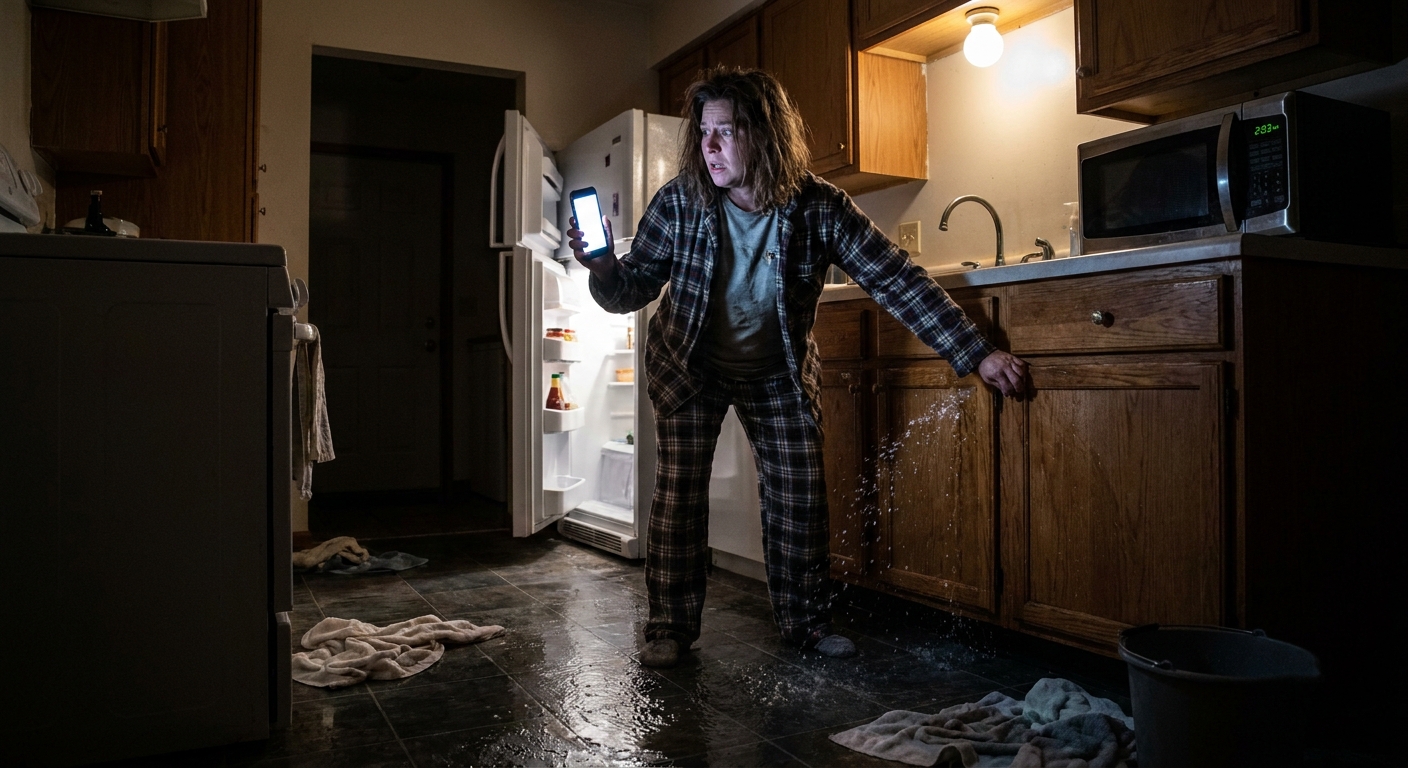
True Plumbing Emergencies: Call Right Now
A genuine plumbing emergency is any situation where waiting until regular business hours could cause major structural damage, create a serious health hazard, or leave your household without essential services. If you're unsure, the questions to ask yourself are simple: Is water spreading uncontrollably? Is there sewage exposure? Is there a safety risk? If yes to any of these, don't wait.
Immediate Emergency Situations
These issues demand a call to a 24-hour plumber right now, no matter what time it is:
| Emergency | Why It Can't Wait |
|---|---|
| Burst pipe | Can release hundreds of gallons in hours; structural and electrical risk |
| Sewage backup | Raw sewage contains harmful bacteria and viruses; spreads to multiple fixtures |
| Gas leak | Risk of explosion, fire, and carbon monoxide poisoning |
| Active flooding | Rapidly spreads to flooring, drywall, furniture, and electrical systems |
| Complete loss of water | Affects drinking, sanitation, and essential medical needs |
| Water heater actively leaking | Risk of tank rupture, flooding, or gas danger |
| Frozen + cracked pipe | Pipes burst when thawing, causing sudden flooding — learn more about frozen pipe risks |
| Overflowing toilet (only bathroom) | Sewage contamination; no sanitation alternative |
The Emergency Decision Flowchart
Use this step-by-step logic to quickly assess your situation:
- Is water actively spreading or uncontrollable? → Call emergency plumber now
- Is sewage coming up from drains or toilets? → Call emergency plumber now
- Do you smell gas or sulfur? → Evacuate + call gas company/911, then plumber
- Have you lost all water with no municipal explanation? → Call emergency plumber now
- Is there a risk to health or electrical systems? → Call emergency plumber now
- Can you stop the water with a shutoff valve? → May be able to wait; assess further below
- Is the issue limited to one low-risk fixture? → Likely urgent but not emergency; see next section

Find Trusted & Licensed Plumbers in Ohio
Get matched with companies for your specific needs
Urgent But Not an Emergency: Issues That Can Wait
Not every plumbing problem needs a midnight service call. The following situations are genuinely annoying and should be addressed within 1–2 business days, but they don't justify paying emergency rates if you can safely manage them overnight.
Manageable overnight issues include:
- Running toilet — Wasteful but not dangerous. Turn off the supply valve behind the toilet to stop it until morning.
- Slow drains — A single slow drain with no backup or overflow is not an emergency. Avoid chemical cleaners; try a plunger or drain snake.
- Minor dripping faucet — If the local shutoff valve works, turn it off and schedule a standard appointment. Understanding common plumbing mistakes like overusing drain chemicals can prevent these from worsening.
- Low water pressure at one fixture — Usually a clogged aerator or showerhead. Soak the fixture head overnight in vinegar.
When DIY Is Appropriate (And When It's Not)
Some plumbing fixes are genuinely within reach for most homeowners — and tackling them yourself can save the cost of a service call entirely. Having the right basic plumbing tools on hand makes all the difference.
Safe DIY Plumbing Fixes
The DIY rule of thumb: You can handle it yourself if the problem is limited to a single fixture, you can shut off water safely at that fixture, and the fix is small and reversible. If the problem affects multiple fixtures, water is spreading, or you're unsure what's causing it — call a licensed plumber. When in doubt about who to hire, review this guide on choosing the right plumber vs. a handyman for the job.
Emergency Plumber Costs vs. Regular Service
Understanding the cost difference is a core part of deciding whether to call now or wait. The financial gap between emergency and standard plumbing service is significant.
2026 Cost Comparison
| Service Type | Hourly Rate | Service Call Fee | When Available |
|---|---|---|---|
| Regular plumber | $40–$150/hr | $75–$150 | Business hours |
| After-hours (evenings) | $60–$300/hr | $100–$250 | Weekday evenings |
| Weekend plumber | $80–$400/hr | $150–$300 | Sat–Sun |
| Holiday emergency | $120–$600/hr | $200–$350+ | Holidays |
| True emergency (any time) | $100–$500/hr | $100–$350 | 24/7 |
For a full breakdown of what specific repairs cost at emergency rates, see our emergency plumber cost guide for 2026. If the cost feels overwhelming, there are also plumbing financing options worth exploring before you face a crisis.
Steps to Take Before the Plumber Arrives
Once you've called for emergency help, these actions can significantly reduce damage and keep your household safe while you wait:
1. Shut Off the Water
- For a single fixture: Turn the shutoff valve clockwise behind the toilet, under the sink, or near the appliance.
- For major leaks or unknown sources: Turn off the main water supply valve to the entire house. It's typically located in the basement, utility room, or near the water meter outside. Ball valves (lever handle) turn 90° perpendicular to the pipe; gate valves (round wheel) turn clockwise several rotations.
2. Turn Off the Water Heater
- Electric: Flip the "water heater" breaker off.
- Gas: Turn the control knob to "Pilot" or "Off."
- This prevents damage to the unit when system pressure drops.
3. Contain and Remove Water
- Use towels, rags, or rolled rugs to create barriers at doorways.
- Place buckets under ceiling drips.
- Use a wet/dry shop vac to remove standing water (keep cords away from wet areas).
- Move electronics, furniture, and rugs away from affected zones immediately.
4. Stay Safe Around Electricity
- If water is near outlets, panels, or switches — do not enter the area. Turn off power to affected zones at the breaker if you can do so safely from dry ground.
5. Document Everything for Insurance
- Take photos and short videos of the source, spreading water, and any damaged property before cleanup begins. Note the exact time you discovered the issue.
6. Clear Access for the Plumber
- Remove items from under sinks, around water heaters, and in utility rooms so the plumber can get to work immediately upon arrival. Consider keeping an emergency plumbing kit stocked so you're ready for any scenario.
Preventive action is the best long-term strategy — a solid preventive plumbing maintenance routine can catch minor issues before they ever become middle-of-the-night emergencies.
Frequently Asked Questions
What counts as a plumbing emergency?
A plumbing emergency is any situation where waiting until regular business hours could cause major property damage, create a health hazard, or leave your home without essential services. Burst pipes, sewage backups, gas leaks, active flooding, and a complete loss of water all qualify. If you can't safely contain the problem with a shutoff valve and basic supplies, treat it as an emergency.
Is a running toilet a plumbing emergency?
In most cases, no. A running toilet is wasteful and should be repaired promptly, but it's not a 24-hour emergency unless it's overflowing uncontrollably or it's your only toilet and sewage is involved. You can usually stop the flow temporarily by turning the supply valve behind the toilet clockwise, then schedule a next-day appointment and save the emergency premium rate.
How much more does an emergency plumber cost than a regular one?
Emergency plumbers typically charge 1.5x to 3x the standard rate. Regular plumbers run $40–$150/hour during business hours, while emergency or after-hours service can cost $100–$500/hour, plus a service call fee of $100–$350. Weekend and holiday rates are often at the high end of that range. For a full breakdown, see our plumbing service cost guide.
What should I do first when I have a plumbing emergency?
Your first step is always to stop the water. Turn off the shutoff valve at the affected fixture, or the main water supply valve if you can't isolate the source. If you smell gas, evacuate and call your gas company or 911 before calling a plumber. Once water is contained, document the damage with photos, remove standing water, and clear a path for the plumber. Review our detailed plumbing emergency guide for a full step-by-step checklist.
Can a home warranty cover emergency plumbing repairs?
It depends on your plan and the cause of the damage. Most standard home warranties cover interior plumbing repairs caused by normal wear and tear, including leaks and water heater failures, but they typically exclude pre-existing conditions, neglect-related damage, and exterior sewer lines. Emergency dispatch fees may also not be covered. Read our guide on home warranty plumbing coverage to understand exactly what's included before you file a claim.