
Understanding Professional Drain Cleaning Services
Professional drain cleaning services go far beyond what a simple plunger can accomplish. These specialized services use advanced equipment and techniques to thoroughly remove blockages, clean pipe interiors, and identify underlying plumbing issues that could lead to costly repairs down the road.
A comprehensive drain cleaning service typically includes three key components: the actual cleaning process using methods like snaking or hydro jetting, a diagnostic camera inspection to identify the root cause of problems, and a final assessment to ensure your drains are flowing properly. Professional plumbers bring specialized equipment, years of experience, and the ability to handle everything from simple sink clogs to severe main sewer line blockages that threaten your entire plumbing system.
Understanding the different methods available, their costs, and when professional help becomes necessary can save you hundreds or even thousands of dollars in emergency repairs. Whether you're dealing with slow drains, recurring clogs, or foul odors coming from your pipes, knowing what to expect from a professional drain cleaning service helps you make informed decisions about maintaining your home's plumbing health.

Find Trusted & Licensed Plumbers in Ohio
Get matched with companies for your specific needs
Methods and Techniques Used in Drain Cleaning
Professional plumbers employ several proven methods to clear drains and restore proper flow. Each technique serves specific purposes depending on the type, severity, and location of the clog.
Traditional Snaking (Augering)
Traditional snaking involves inserting a flexible metal cable with a rotating auger or hook attachment into your drain. The cable physically breaks through clogs by drilling into or hooking debris, pulling it out or pushing it through the pipe. This method works exceptionally well for simple blockages caused by hair, soap scum, or small debris within the first 50 to 100 feet of pipe.
In 2026, snaking typically costs between $100 and $275 per fixture and can be completed in 30 minutes to an hour for straightforward clogs. While effective for isolated problems, snaking has limitations. It only creates a narrow pathway through the blockage and doesn't clean pipe walls, meaning buildup remains and clogs often return within months.
Hydro Jetting
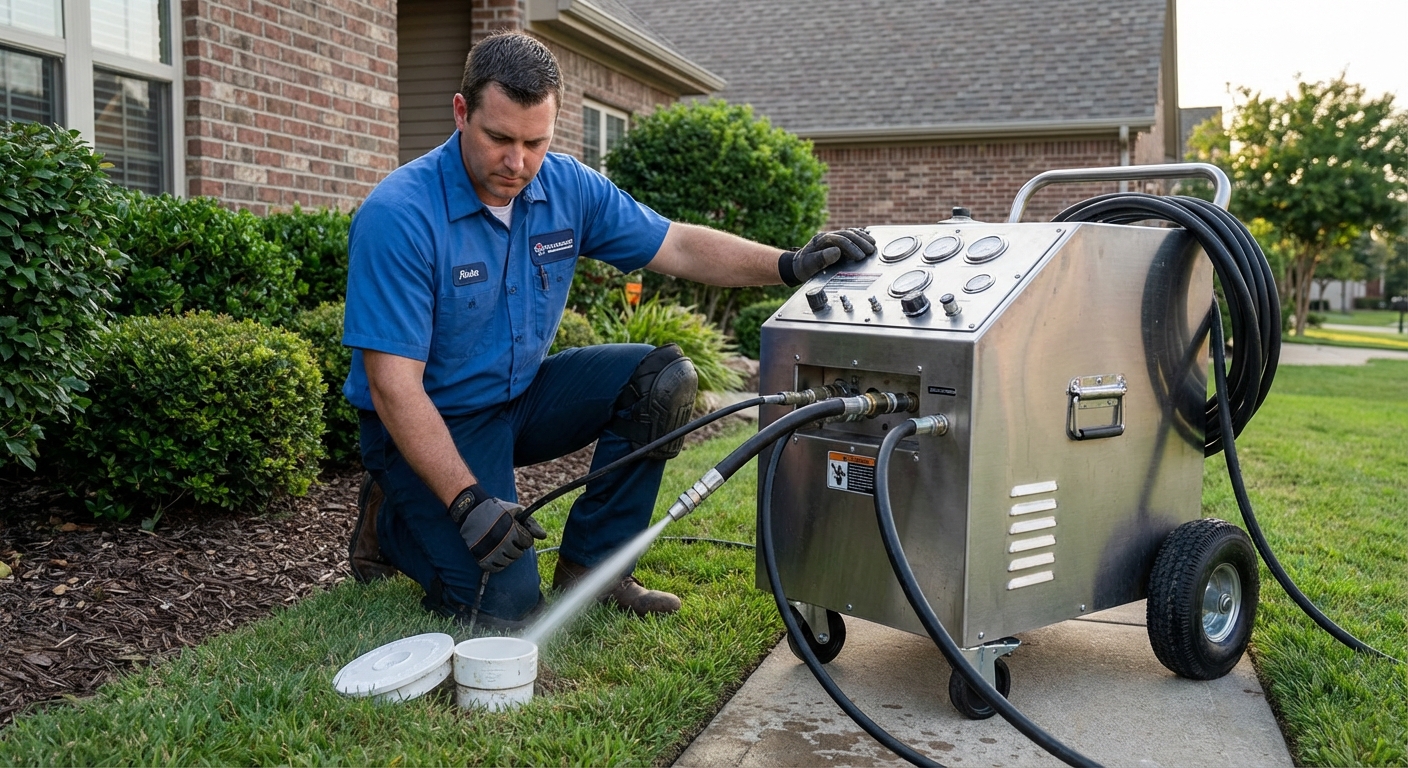
Hydro jetting represents the most thorough drain cleaning method available. This technique uses specialized equipment that pressurizes water to 4,000 PSI or higher, then propels it through pipes via a high-pressure hose with strategically positioned nozzles. The pressurized water blasts away grease, mineral deposits, tree roots, and other stubborn debris while simultaneously scrubbing the entire interior surface of your pipes.
Before hydro jetting begins, professional plumbers typically conduct a camera inspection to assess pipe condition and ensure the system can withstand the pressure. The process involves accessing a cleanout point, inserting the hose, and systematically cleaning the pipes from inside out. Different nozzle types target specific problems. Some break through blockages while others focus on wall cleaning.
In 2026, hydro jetting costs commonly range from $350 to $600 for typical residential jobs, with national averages closer to $600 to $1,400 for more complex work and severe or commercial blockages reaching $1,500 to $3,000. While more expensive than snaking, it provides comprehensive cleaning that can last 2 to 5 years rather than months. This method proves especially valuable for recurring clogs, main sewer line issues, grease accumulation in kitchen drains, and homes with older plumbing systems prone to mineral buildup.
Camera Inspection Services
Video camera inspections have revolutionized drain diagnostics, allowing plumbers to visually identify problems without destructive exploratory work. Waterproof cameras mounted on flexible cables travel through your pipes, transmitting real-time video that reveals cracks, root intrusions, corrosion, misaligned joints, and the exact location of blockages.
These inspections typically cost $125 to $500 for a standard sewer-only inspection in 2026, with broader plumbing camera inspections running $300 to $1,100 depending on scope. They provide invaluable information that prevents unnecessary work and helps plumbers choose the most effective cleaning method. Camera inspections are particularly beneficial before purchasing a home, after repeated drain problems, or when you suspect hidden pipe damage.
The footage from camera inspections often gets recorded, giving you a permanent record of your pipe condition. This documentation proves useful for warranty claims, insurance purposes, or tracking deterioration over time.
Cost Breakdown by Service Type
Understanding drain cleaning costs helps you budget appropriately and recognize fair pricing from service providers. Recent 2026 data shows a national average of about $240 to $250 per job, with most homeowners paying between $150 and $350. Prices vary significantly based on the method used, problem severity, and location within your plumbing system.
| Service Type | Typical 2026 Cost Range | Best For | Duration |
|---|---|---|---|
| Basic Snaking | $100 to $275 | Single fixture clogs (sinks, tubs, toilets) | 30 to 60 minutes |
| Main Sewer Line Snaking | $175 to $800 | Main line blockages requiring exterior access | 1 to 3 hours |
| Hydro Jetting (residential) | $350 to $1,400 | Severe clogs, grease buildup, root intrusions | 1 to 4 hours |
| Camera Inspection | $125 to $500 | Diagnostic assessment, pre-purchase inspections | 30 to 90 minutes |
| Emergency / After-Hours Service | Add $100 to $300 surcharge + 1.5x to 2x hourly rate | After-hours, weekends, holidays | Varies |
| Full Home Cleaning | $450 to $1,500 | Multiple fixtures, preventative maintenance | 2 to 6 hours |
Several factors influence where your service falls within these ranges. Main sewer line work costs more than branch line cleaning because it requires locating and accessing outdoor cleanouts. Accessibility matters significantly. Easy-to-reach cleanouts reduce labor time, while crawl spaces or digging to access pipes increases costs substantially.
Geographic location plays a role too. Urban areas with higher costs of living typically see prices 20 to 40 percent above rural areas. The severity and type of clog also impacts pricing, since tree roots require more intensive work than soap buildup. Some companies charge flat rates per service while others bill hourly at $49 to $178 per hour for standard work, plus equipment fees.
Most reputable plumbers offer free or low-cost initial estimates. If you're experiencing drainage issues along with other plumbing problems, mention this during your consultation as the problems may be related and could be addressed simultaneously, potentially reducing overall costs through a preventive plumbing maintenance approach.
Hydro Jetting vs. Traditional Snaking Comparison
Choosing between hydro jetting and traditional snaking depends on your specific situation, budget, and long-term plumbing goals. Understanding how these methods differ helps you make the right choice.
When to Choose Traditional Snaking
Snaking makes sense for minor, isolated clogs in accessible locations. If you're dealing with a single slow drain that hasn't been problematic before, a hair clog in your bathroom sink, or a toilet backup from too much paper, traditional snaking usually resolves the issue quickly and affordably. This method works well for newer plumbing systems with minimal buildup and for routine maintenance of individual fixtures.
Budget-conscious homeowners facing simple blockages find snaking provides adequate results without the higher investment of hydro jetting. However, recognize that you may need repeat service within 6 to 18 months as residual buildup gradually reforms clogs.
When to Choose Hydro Jetting
Hydro jetting becomes the better investment when dealing with recurring clogs that keep returning despite snaking, grease accumulation in kitchen drain lines, tree root intrusions in sewer lines, or complete main line blockages. Homes with older plumbing (30+ years) benefit significantly from hydro jetting's thorough wall cleaning, which removes decades of mineral deposits and corrosion.
If you're experiencing multiple slow drains simultaneously, foul odors persisting after snaking, or preparing a home for sale, hydro jetting's comprehensive approach addresses underlying issues rather than just symptoms. While the upfront cost runs higher, the extended time between services (often 2 to 5 years compared to months with snaking) makes it more economical long-term and can help you avoid expensive sewer line repairs caused by neglected buildup.
Effectiveness Comparison
Traditional snaking excels at creating immediate pathways through soft obstructions but struggles with hardened buildup, extensive root systems, and complete pipe restoration. The mechanical action can sometimes push debris further into the system or miss lateral branches entirely.
Hydro jetting's 360-degree cleaning action reaches every surface inside your pipes, eliminates even stubborn deposits, and can break through tree roots up to several inches thick. The high-pressure water also flushes debris completely out of the system rather than repositioning it. However, hydro jetting requires pre-inspection to ensure your pipes can withstand the pressure. Extremely old or damaged pipes might need gentler approaches or even trenchless sewer repair if structural issues exist.
When to Call a Professional vs. DIY Solutions
Knowing when to tackle a clog yourself versus calling a professional prevents wasted time, protects your plumbing system, and ultimately saves money. Not all drain problems warrant professional intervention, but some situations absolutely require expert help.
DIY-Appropriate Situations
Simple surface-level clogs often respond well to homeowner intervention. Single slow drains in sinks or tubs caused by hair or soap buildup typically clear with basic tools. You can safely attempt DIY methods when dealing with minor toilet clogs from excessive paper, visible blockages near the drain opening, or recent slow drainage that hasn't progressed to complete backup. For shower-specific issues, our guide to a clogged shower drain walks through proven home methods.
Effective DIY approaches include using a cup plunger (not a toilet plunger) for sink drains, flushing drains with a mixture of baking soda and hot water, manually removing visible debris from drain covers, or carefully using a short handheld drain snake for accessible clogs. These methods work best on fresh clogs before they harden or push deeper into your system.
The 2026 maintenance trend has shifted strongly toward enzyme-based and eco-friendly drain treatments rather than caustic chemicals. Enzyme cleaners use biological agents to digest organic buildup over 8 to 24 hours, making them ideal for ongoing maintenance, though they work too slowly for emergency clogs.
Avoid traditional chemical drain cleaners despite their convenience. These products contain caustic substances like sulfuric acid or sodium hydroxide that corrode pipes over time, create toxic fumes, can cause skin burns, and often provide only temporary relief. They're particularly dangerous in older homes with metal pipes or if you have a septic system.
Professional Help Required
Certain situations demand professional expertise and equipment. Call a plumber immediately when multiple drains show symptoms simultaneously. This indicates a main sewer line problem beyond DIY reach. Recurring clogs in the same location suggest underlying issues that superficial fixes won't resolve.
If you hear gurgling sounds from drains or toilets when using other fixtures, notice sewage backing up into tubs or showers, smell persistent foul odors despite cleaning, or see water pooling around floor drains, professional assessment becomes necessary. Our guide on when to call an emergency plumber helps you distinguish true emergencies from issues that can wait.
Homes with mature trees near sewer lines face particular risk from root intrusion, a problem exclusively handled through professional hydro jetting or mechanical cutting. Similarly, main line clogs, grease buildup in kitchen drain stacks, and clogs beyond 15 to 20 feet into pipes require specialized equipment homeowners don't typically possess.
Risks of Improper DIY Attempts
Well-intentioned DIY efforts sometimes worsen problems. Aggressive snaking without proper technique can scratch pipe interiors, puncture weak spots, or push clogs deeper into the system where they cause broader backups. Over-plunging creates excessive pressure that can damage seals and joints, especially in older systems.
DIY attempts also delay professional diagnosis of serious underlying problems. What starts as a $250 drain cleaning can escalate into thousands in emergency plumbing repairs if ignored symptoms allow damage to progress. After-hours emergency calls in 2026 can run $150 to $350 per hour plus an emergency surcharge of $100 to $300, making prevention far more economical.
Recommended Cleaning Frequency and Maintenance
Proactive drain maintenance prevents most serious clogs and extends your plumbing system's lifespan while reducing long-term costs. Establishing a regular cleaning schedule based on your home's specific needs protects against expensive emergency repairs.
Professional Cleaning Schedule
Most residential homes benefit from professional drain cleaning at least once annually based on 2026 plumbing industry guidance. This yearly service removes accumulated buildup before it causes problems, allows plumbers to spot potential issues early, and maintains optimal flow throughout your system. Annual cleaning typically costs $200 to $400 for basic whole-house service and proves far more economical than emergency calls. A structured annual plumbing maintenance plan makes it easy to stay on schedule.
However, certain circumstances warrant more frequent professional attention:
Every 6 to 12 Months:
- Homes with older plumbing systems (30+ years)
- Large households with 5+ people creating heavy drain usage
- Properties with history of recurring clogs
- Homes with mature trees near sewer lines
- Commercial kitchen or hair salon operations
Every 12 to 24 Months:
- Newer construction with PVC piping
- Small households of 1 to 2 people
- Homes with minimal landscaping near drain lines
- Properties with water softeners reducing mineral buildup
- Main sewer line cleaning for typical homes without root issues
Schedule professional cleaning before problems arise rather than waiting for symptoms. Many plumbing companies offer maintenance contracts that reduce per-visit costs and ensure you don't forget this important task.
Preventative Maintenance Tips
Between professional services, simple habits dramatically reduce clog frequency and extend the time between deep cleanings:
Kitchen Drains:
- Never pour grease, oil, or fat down drains. Collect in containers for disposal
- Run hot water for 20 to 30 seconds after each use to flush residue
- Use sink strainers to catch food particles
- Limit garbage disposal usage for fibrous or starchy foods
- Flush drains weekly with hot water
Bathroom Drains:
- Install hair catchers in all tub and shower drains
- Remove and clean drain stoppers monthly
- Avoid flushing anything besides toilet paper and waste
- Don't treat toilets as trash cans
- Wipe excess hair product from sinks before rinsing
Whole-House Practices:
- Run water during and after using the garbage disposal
- Use enzyme-based drain maintainers monthly (not chemical cleaners)
- Inspect outdoor cleanouts quarterly for signs of issues
- Map your main sewer line to avoid planting trees nearby
- Consider installing drain screens on all fixtures
Long-Term Cost Savings
Regular maintenance prevents the escalation of minor issues into major repairs. A $400 annual hydro jetting service can prevent situations where ignored buildup causes pipe damage requiring $3,000 to $10,000 in sewer line replacement. Professional cleaning during routine maintenance also costs significantly less than emergency service, which adds 50 to 100 percent in after-hours premiums.
Preventative care extends pipe lifespan by reducing corrosion from standing water and debris accumulation. Clean pipes also operate more efficiently, potentially lowering water bills through improved flow rates and reducing strain on water heaters and other plumbing fixtures.
Signs You Need Drain Cleaning Services
Recognizing early warning signs of drain problems allows you to address issues before they escalate into emergencies. Understanding what your drains are telling you prevents extensive damage and minimizes repair costs.
Slow Drainage
The most common early indicator of drain problems is water taking progressively longer to drain from sinks, tubs, or showers. While occasional slow drainage after heavy use might be normal, consistent or worsening slow drainage indicates accumulating buildup restricting water flow.
Pay particular attention if multiple fixtures show similar symptoms simultaneously. This suggests problems in your main drain line rather than isolated clogs. Kitchen sinks that drain slowly despite using the garbage disposal properly often have grease accumulation in pipes that requires professional removal.
Recurring or Frequent Clogs
If you find yourself clearing the same drain repeatedly, whether weekly, monthly, or even every few months, you're treating symptoms rather than causes. Recurring clogs indicate that previous clearing methods only created temporary pathways without removing underlying buildup, root intrusions, or pipe damage.
Each recurrence typically worsens as debris accumulates in areas the clog-clearing attempt missed. This pattern almost always requires professional intervention to break the cycle and restore proper function.
Foul Odors
Persistent unpleasant smells emanating from drains signal trapped organic matter decomposing in your pipes. Kitchen drain odors often result from grease and food particles coating pipe walls, while bathroom odors typically indicate hair and soap scum accumulation in places like bathroom sink drains.
Sewage smells are particularly concerning as they may indicate problems with your vent stack, main sewer line blockages, or even pipe damage allowing sewer gases to escape. These odors won't resolve with surface cleaning or deodorizers. The source material must be removed through professional cleaning.
Gurgling Sounds and Multiple Fixture Backups
Strange gurgling, bubbling, or sucking sounds when water drains indicate air trapped in your pipes by partial blockages. Gurgling in one fixture when using another (like toilet bubbling when running the shower) suggests venting issues or main line restrictions.
When water backs up into one fixture while using another, such as shower drains filling when flushing the toilet or water backing into your washing machine drain, you're experiencing a serious main line blockage. This symptom demands immediate professional attention as it indicates your home's drainage capacity is severely compromised. Multiple fixture involvement places you at risk for sewage backups that can cause extensive water damage and health hazards.
Frequently Asked Questions
How much does professional drain cleaning typically cost in 2026?
Professional drain cleaning costs vary significantly based on the method and location of the clog, with a national average of about $240 to $250 per job in 2026. Basic snaking for a single fixture ranges from $100 to $275, while main sewer line snaking costs $175 to $800. Hydro jetting runs $350 to $600 for typical residential jobs, with averages of $600 to $1,400 for more involved work. Camera inspections add $125 to $500, and emergency calls add a $100 to $300 surcharge plus higher hourly rates.
What's the difference between hydro jetting and regular snaking?
Traditional snaking uses a mechanical cable to punch through clogs, creating a narrow pathway but leaving buildup on pipe walls. Hydro jetting uses high-pressure water (up to 4,000+ PSI) that completely cleans pipe interiors with 360-degree coverage, removing grease, roots, and mineral deposits. While snaking costs less upfront at $100 to $275, clogs often return within months. Hydro jetting costs more at $350 to $1,400 but provides comprehensive cleaning lasting 2 to 5 years.
How often should residential drains be professionally cleaned?
Most homes benefit from professional drain cleaning at least once annually to remove buildup before problems develop. Homes with older plumbing (30+ years), large households, recurring clog history, or mature trees near sewer lines should schedule cleaning every 6 to 12 months. Main sewer lines for typical homes can often go 18 to 24 months between cleanings. Newer homes with minimal usage may extend to 12 to 24 months between services.
When should I call a professional instead of trying DIY solutions?
Call a professional when you experience recurring clogs in the same location, multiple fixtures backing up simultaneously, sewage odors despite cleaning, gurgling sounds from drains, standing water, or clogs beyond 15 to 20 feet into pipes. Also contact professionals for main sewer line issues, tree root intrusions, or if DIY attempts fail within 30 minutes. Simple surface clogs from hair or soap in single fixtures can be attempted with basic tools before calling for help.
What are the risks of using chemical drain cleaners?
Chemical drain cleaners contain caustic substances like sulfuric acid and sodium hydroxide that corrode pipes over time, particularly damaging older metal pipes and even degrading PVC. They can cause skin burns, generate heat that cracks porcelain fixtures, create toxic fumes, and contaminate septic systems. The 2026 trend has shifted toward eco-friendly enzyme cleaners that digest organic buildup biologically without the safety and pipe-damage risks. If chemicals fail to clear clogs, their presence complicates professional cleaning and may require neutralization before safe service.