
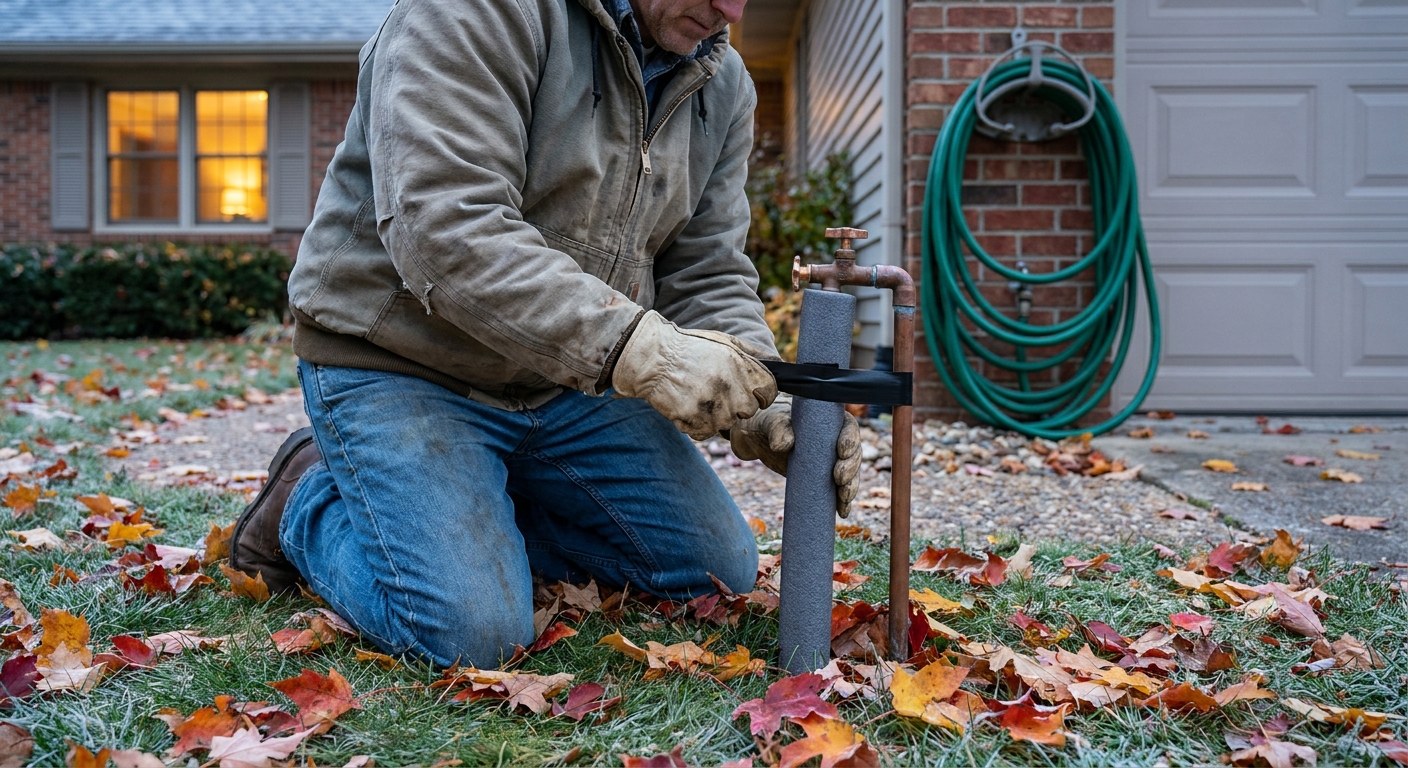
Winter Plumbing Problems: Cold Weather's Toll on Your Home
Winter is the most unforgiving season for your plumbing. Freezing temperatures, increased indoor water usage during the holidays, and the extra demand placed on aging appliances can all converge into serious — and expensive — emergencies.
Frozen & Burst Pipes
When temperatures drop below 32°F, water inside exposed or poorly insulated pipes begins to freeze and expand. That pressure can crack or burst a pipe within minutes. The most vulnerable spots include pipes running through unheated basements, crawl spaces, exterior walls, garages, and outdoor spigots. A burst pipe can cost anywhere from $400 to $2,000 to repair — before accounting for water damage cleanup, which can add another $1,000–$3,500.
To protect your pipes, learn how to prevent frozen pipes before the cold season arrives. Key prevention steps include:
- Insulating exposed pipes with foam sleeves or heat tape
- Sealing drafts and air leaks around pipe entry points
- Letting faucets drip slightly on nights below 20°F
- Keeping your home at or above 55°F, even when away
Water Heater Strain
In winter, your water heater works harder because incoming groundwater is significantly colder. Older units — especially those over 10 years old — are prone to failing under this extra strain. Warning signs include lukewarm water, rumbling or banging noises inside the tank, or visible rust and leaks near the base.
Schedule an annual flush to remove sediment buildup, check the anode rod, and confirm your thermostat is set to 120°F. If your unit is approaching the end of its lifespan, winter is the worst time to find out.
High Indoor Usage & Drain Stress
Holiday gatherings bring more people, more cooking, and more shower use — all of which stress your drains. Kitchen clogs from cooking grease and food scraps spike sharply in winter. Never pour fats or oils down the drain; cold temperatures cause grease to solidify faster in your pipes. Use sink strainers, and remind guests that only toilet paper belongs in the toilet — not wipes or paper towels. These are among the most common plumbing mistakes homeowners make.

Find Trusted & Licensed Plumbers in Ohio
Get matched with companies for your specific needs
Spring Plumbing Problems: Thaw Season Hazards
Spring brings relief from the cold, but it also exposes damage that winter left behind. Snowmelt, increased rainfall, and renewed root growth create a new set of risks for your home's plumbing system.
Sump Pump Failures
A sump pump that sat dormant all winter may fail right when spring flooding demands it most. A malfunctioning sump pump during spring snowmelt can mean a flooded basement within hours. Test yours by pouring a bucket of water into the pit — the pump should activate quickly and discharge water away from your foundation. A submersible sump pump replacement typically runs $700–$1,600 installed.
Sewer Line Clogs from Tree Roots
As temperatures warm, tree roots aggressively seek out moisture — and your sewer line is a prime target. Roots infiltrate small cracks or joints in older sewer pipes, causing slow drains, gurgling sounds from multiple fixtures, or full sewage backups. A routine sewer line cleaning via snaking costs $150–$350, while hydro-jetting for tougher root intrusions runs $300–$800. For recurring problems, a camera inspection can catch issues before they require full line replacement.
Outdoor Faucet Leaks After the Freeze
Outdoor spigots and hose bibs are common casualties of winter. Even if you winterized properly, freeze-thaw cycles can stress connections and crack fittings. Before reattaching your garden hose each spring, inspect every outdoor faucet carefully for drips, leaks inside the wall where the pipe feeds the spigot, and any unusual dampness. Fix small leaks now — a single dripping faucet can waste thousands of gallons annually.
Summer Plumbing Problems: High-Use Season Challenges
Summer is all about entertaining, outdoor activities, and extra laundry — and your plumbing pays the price. Increased household usage combined with heavy rainstorms make summer one of the most active seasons for plumbing service calls.
Garbage Disposal Clogs from Entertaining
Summer cookouts and holiday gatherings send the wrong things down the disposal: corn husks, watermelon rinds, grill grease, and fruit pits. These items can jam the blades, clog the drain line, or cause foul odors. Run cold water before, during, and 20–30 seconds after using the disposal, and feed it small batches at a time. Avoid putting fibrous foods, cooking oil, or hard pits down the drain — scrape plates into the trash first.
Washing Machine Overuse
More outdoor activities mean more laundry, and more laundry means more wear on your washing machine supply hoses. Rubber hoses degrade over time — especially under summer heat — and can burst without warning, causing significant flooding. Replace supply hoses every 3–5 years and upgrade to braided stainless steel lines for better durability. Always shut off water supply valves to the washer if you're leaving home for an extended period.
Sewer Line Stress from Heavy Rains
Summer thunderstorms can overwhelm sewer systems, forcing sewage back into homes through the lowest drains. Cracked sewer lines allow rainwater to infiltrate, compounding the problem. If multiple drains in your home are gurgling or backing up at the same time, stop using water immediately and call a plumber. Installing a backwater valve on your main sewer line can prevent sewage from re-entering your home during storm surges. Learn more about when to call an emergency plumber vs. waiting for a routine appointment.
Fall Plumbing Checklist: Preparing for the Cold
Fall is your single best opportunity to get ahead of winter plumbing disasters. A proactive fall plumbing checklist addresses the most common causes of winter emergencies before temperatures drop.
Winterizing Your Pipes & Outdoor Plumbing
| Task | When to Do It | DIY or Pro? |
|---|---|---|
| Disconnect & store garden hoses | Before first frost | DIY |
| Shut off & drain outdoor faucet supply lines | October–November | DIY |
| Install insulated faucet covers on spigots | October–November | DIY |
| Wrap exposed pipes in crawl spaces or garage | October | DIY or Pro |
| Seal gaps where pipes enter exterior walls | September–October | DIY |
| Blow out irrigation/sprinkler system | Before first frost | Pro recommended |
The complete process of plumbing winterization is especially critical for vacation homes and properties that may go unoccupied in cold months.
Water Heater Maintenance
Fall is the ideal time to service your water heater before it faces peak winter demand. Flush the tank to remove sediment, confirm the temperature is set to 120°F, test the temperature and pressure relief (T&P) valve, and have a plumber inspect the anode rod if the unit is 5+ years old. A routine annual service call costs $75–$250 — far less than an emergency replacement in January.
Gutter Drainage & Foundation Protection
Clogged gutters and misdirected downspouts send water straight toward your foundation. During fall, clear all gutters and flush downspouts with a hose. Make sure water discharges at least 3 feet away from your home's foundation. Also test your sump pump one more time before cold weather arrives — this is part of a solid preventive plumbing maintenance routine.
Seasonal Maintenance Calendar at a Glance
| Season | Priority Tasks |
|---|---|
| Winter | Insulate pipes, drip faucets on cold nights, flush water heater, use strainers, maintain heat at 55°F+ |
| Spring | Test sump pump, inspect outdoor faucets, check for freeze damage, clear sewer lines, inspect hose bibs |
| Summer | Check washer hoses, protect disposal, inspect sewer line, test sump pump, inspect outdoor spigots for leaks |
| Fall | Disconnect hoses, insulate pipes, service water heater, clean gutters, seal pipe entry points, test sump pump |
For a deeper look at what to tackle yourself and what needs a licensed professional, check out this guide on common plumbing mistakes homeowners make and how to avoid them. If something does go wrong, knowing what to do before the plumber arrives can minimize damage significantly.
Frequently Asked Questions
What is the most expensive seasonal plumbing problem to fix?
Burst pipes from freezing are among the costliest plumbing emergencies. Repair costs range from $400 to $2,000 just for the plumbing work, and water damage cleanup can add $1,000–$3,500 or more on top of that. Sewer line failures and full water heater replacements are also significant expenses, often running $2,000–$10,000+ depending on the scope of work needed.
How often should I have my plumbing inspected professionally?
Most plumbers recommend a whole-home inspection at least once per year — ideally in the fall before winter. Older homes (built before 1980) should be inspected more frequently, as aging pipes, outdated materials, and worn connections are more susceptible to seasonal stress. An annual inspection typically costs between $100 and $300 and can catch problems before they become emergencies. You can learn more in our annual plumbing maintenance guide.
Can I winterize my plumbing myself, or do I need a plumber?
Many winterization tasks are DIY-friendly: disconnecting garden hoses, installing faucet covers, insulating exposed pipes, and sealing air gaps around pipe entry points. However, tasks like blowing out an irrigation system, installing a backwater valve, or inspecting your sewer line with a camera should be handled by a licensed plumber. For vacation or seasonal homes, professional winterization service is strongly recommended.
What are the warning signs that my sewer line is in trouble?
The most common signs of a failing sewer line include multiple drains gurgling or draining slowly at the same time, sewage odors coming from drains or your yard, and wastewater backing up into the lowest drains in your home (like a basement floor drain or first-floor tub). These symptoms are especially common after spring root growth or heavy summer storms. If you notice any of these warning signs, stop using water and call a plumber promptly. Check our guide on when to call an emergency plumber for more guidance.
How do I know if my water heater is about to fail?
Key warning signs include inconsistent or lukewarm hot water, running out of hot water faster than usual, rumbling or popping sounds from the tank, rust-colored hot water, and visible leaks or corrosion near the base of the unit. Most tank water heaters last 8–12 years. If yours is approaching or past that range and showing any of these symptoms, fall is the best time to replace it before it fails under winter demand.