
Types of Outdoor Plumbing Installations & 2026 Costs
Outdoor plumbing comes in many forms, from a simple hose bib on the side of your house to a fully equipped outdoor kitchen with a sink, drainage, and running hot water. Understanding what each project involves helps you plan your budget and avoid costly surprises. Here's a breakdown of the most common outdoor plumbing installations and their 2026 cost ranges.
Hose Bibs (Outdoor Faucets)
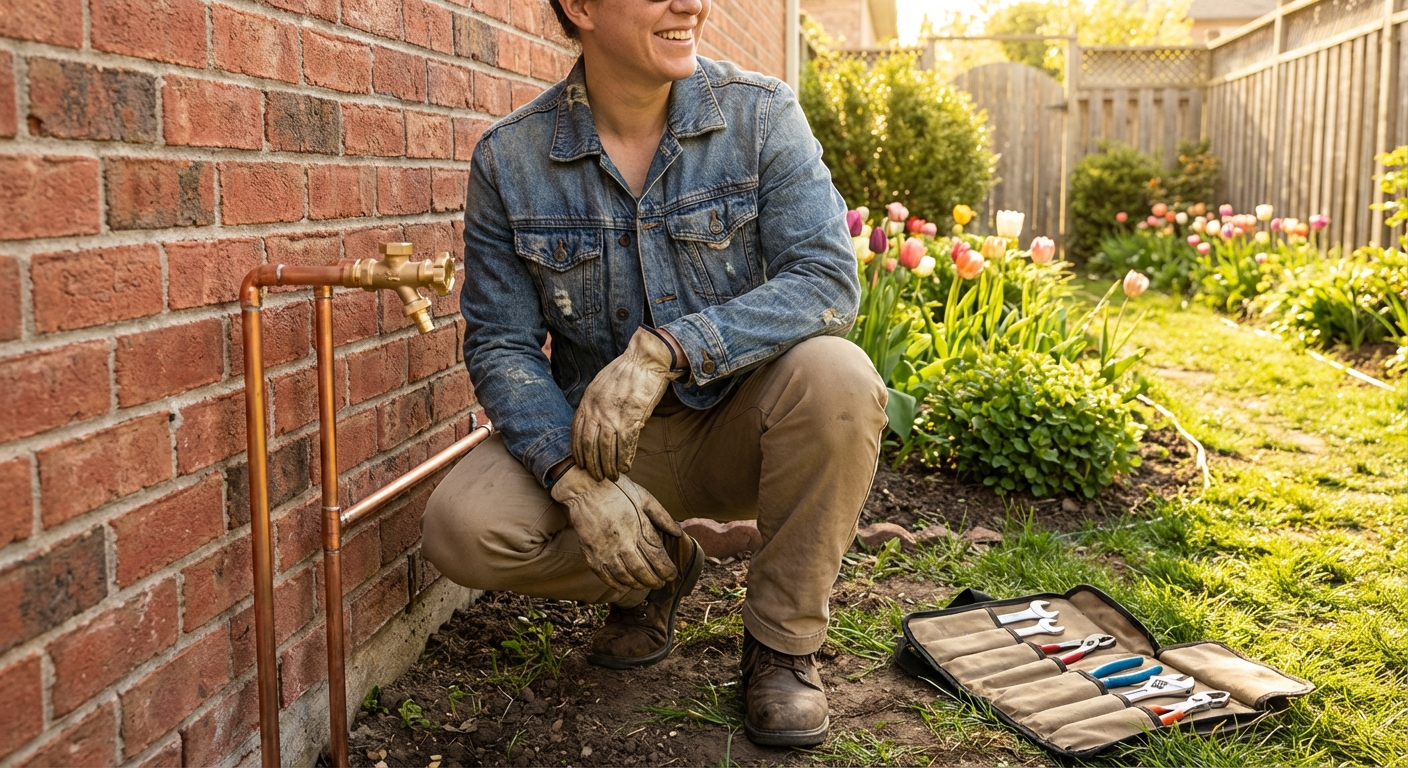
A hose bib (also called a spigot or outdoor faucet) is the most basic outdoor plumbing installation. In 2026, installing an outdoor spigot typically runs $150 to $500, with a national average around $200 to $325 depending on whether you're replacing an existing fixture or adding a brand-new one. Frost-free models, which shut off water deeper inside the wall to prevent freezing, average about $355 installed and are highly recommended in colder climates.
If you need to understand pricing differences between faucet types, the faucet replacement cost guide covers what you'll pay for different installations in 2026.
Outdoor Showers
An outdoor shower is a popular upgrade for pool owners, beach homes, and backyard retreats. Installation typically runs $800 to $2,500, but costs vary significantly based on whether hot water supply is included and how far the shower sits from existing plumbing lines. A basic cold-water rinse shower is far less expensive than a full hot-and-cold setup with drainage.
Irrigation Systems
Irrigation system costs vary based on the size of your lawn and the complexity of the design. In 2026, a typical in-ground sprinkler system costs about $0.90 to $1.70 per square foot, or roughly $585 to $1,335 per zone. For a standard quarter-acre lot, expect to pay between $3,000 and $8,500 installed. These systems require proper backflow prevention devices, which are mandated by most local water authorities. For smart irrigation options that can reduce water waste and lower your utility bill, explore smart plumbing systems.
Outdoor Kitchens & Utility Sinks
Outdoor kitchen plumbing is one of the more complex and expensive projects. Running a supply line and drain for an outdoor sink typically adds $800 to $2,000 to a kitchen build, with sink fixtures themselves running another $200 to $3,000 depending on quality. A yard hydrant (useful for utility areas, gardens, and livestock) averages around $1,045 installed.
| Project Type | 2026 Cost Range | Avg. Cost |
|---|---|---|
| Hose Bib (Standard) | $150 – $500 | $250 |
| Frost-Free Hose Bib | $250 – $450 | $355 |
| Outdoor Shower | $800 – $2,500 | $1,620 |
| Outdoor Sink / Utility Sink | $400 – $1,500 | $700 |
| Yard Hydrant | $700 – $1,400 | $1,045 |
| Irrigation System (avg. yard) | $3,000 – $8,500 | $4,600 |
| Outdoor Kitchen Plumbing | $800 – $2,000 | $1,400 |
For a broader look at what plumbers charge for these projects, check the plumbing service cost guide for 2026 labor rates and a full breakdown of plumber pricing.

Find Trusted & Licensed Plumbers in Ohio
Get matched with companies for your specific needs
Permits, Backflow Prevention & Code Requirements
Do You Need a Permit for Outdoor Plumbing?
In most jurisdictions across the U.S., yes, permits are required for outdoor plumbing installations that involve new water supply lines, drain connections, or significant pipe work. Minor repairs and like-for-like replacements may be exempt, but any new installation that ties into your home's main water supply typically triggers a permit requirement.
Permit costs generally range from $50 to $500, and in many areas (including all of New York City), the permit must be pulled by a licensed master plumber rather than a homeowner. Always check with your local building department before starting any project. Skipping permits can result in fines, required removal of unpermitted work, and complications when selling your home.
Learn exactly which projects require permits, how to apply, and what inspectors look for in our plumbing permits guide.
Backflow Prevention: Why It's Required
Backflow occurs when a pressure drop causes water to reverse flow back into your clean water supply, potentially pulling in fertilizers, pesticides, or other contaminants. Backflow prevention devices are required for irrigation systems in nearly every U.S. municipality, and are strongly recommended for all outdoor faucets. Installation must be performed by a licensed plumber under permit in virtually every jurisdiction.
Here are the most common types used outdoors:
Most water districts require certified annual testing of PVB, DCVA, and RPZ assemblies, with test fees typically running $75 to $200 per device. For a deep dive into device types, testing schedules, and installation requirements, read our full guide on backflow prevention.
Best Materials, Weatherproofing & Freeze Protection
Best Pipe Materials for Outdoor Plumbing
Choosing the right pipe material for outdoor use is critical. Exposure to UV rays, soil, temperature extremes, and moisture can degrade the wrong materials quickly. Here's how the top 2026 options compare:
| Material | Best For | Freeze Resistance | UV Resistance | Relative Cost |
|---|---|---|---|---|
| PEX | Buried or sleeved supply lines | ✅ Excellent | ❌ Needs cover | $ Low |
| Copper | Exposed, sun-facing lines | ⚠️ Good (with insulation) | ✅ Excellent | $$$ High |
| CPVC | Hot water outdoor lines | ⚠️ Moderate | ✅ Good | $$ Moderate |
| HDPE | Buried main water lines | ✅ Good | ✅ Good | $$ Moderate |
| PVC | Buried cold-water drains | ❌ Poor (above ground) | ❌ Degrades in sun | $ Low |
PEX is the top recommendation for most outdoor supply line work that's protected from sunlight. It's flexible, highly freeze-resistant (it expands and contracts without bursting), and costs roughly one-third the price of copper per linear foot. Copper remains the best choice for exposed, above-ground fixtures like sun-facing hose bibs and outdoor shower risers, because PEX degrades under UV exposure. For the full breakdown on PEX vs. alternatives, see our PEX plumbing guide.
Freeze Protection & Weatherproofing
Any outdoor plumbing in a climate that reaches freezing temperatures needs proper freeze protection. Per the 2025 plumbing code (in effect for 2026), exterior water supply piping must be installed at least 6 inches below the local frost line and a minimum of 12 inches below grade. Key requirements include:
- Bury supply lines below the frost line, typically 36 to 48 inches deep in northern U.S. states
- Insulate all exposed pipes with foam sleeves, heat tape, or fiberglass wraps with UV-resistant covers
- Install frost-free hose bibs that shut off water inside the warm wall cavity
- Slope pipes toward drain points so water doesn't sit and freeze in the line
- Add shutoff valves with indoor access so you can cut water to outdoor fixtures in winter
- Use pipe sleeves at foundation penetrations to keep wall openings watertight
Winterization, Seasonal Tips & DIY vs. Hiring a Pro
How to Winterize Your Outdoor Plumbing
Winterizing outdoor plumbing before the first hard freeze is one of the most important seasonal maintenance tasks a homeowner can do. Here's a step-by-step checklist:
- Shut off the indoor supply valve. Locate the dedicated shutoff for each outdoor fixture inside your basement or utility room.
- Disconnect and drain all hoses. Leaving a hose connected traps water and can freeze back into the bib.
- Open outdoor faucets fully. Let residual water drain completely from the pipe.
- Blow out irrigation lines. Use compressed air to clear water from all sprinkler zones, valves, and heads.
- Insulate exposed fixtures. Apply foam faucet covers secured with zip ties to all outdoor spigots.
- Seal gaps and cracks. Use exterior caulk or foam around pipe penetrations in walls to block cold air infiltration.
- Drain and store outdoor shower lines. If the shower doesn't have a frost-free design, drain it completely and shut off its supply valve.
For a complete seasonal checklist that covers all of your home's plumbing, not just outdoor fixtures, see our preventive plumbing maintenance guide.
DIY vs. Hiring a Professional Plumber
Not every outdoor plumbing job requires a licensed professional, but many do. With 2026 plumber rates averaging $90 per hour nationwide (and master plumbers commanding $100 to $200 per hour), knowing what's safe to DIY can save you real money. Here's how to decide:
Hire a licensed plumber for:
- Any new supply line installation (outdoor kitchen, shower, irrigation)
- Connecting to your home's main water line
- Installing backflow prevention devices on irrigation systems
- Projects that require permits
DIY is generally safe for:
- Attaching hose bib vacuum breakers (simple screw-on devices)
- Winterizing faucets (shutting off valves, disconnecting hoses, adding insulation covers)
- Replacing a worn washer on an existing outdoor faucet
If your outdoor faucet is already having problems, review our outdoor faucet repair guide before deciding to repair or replace. And if water conservation is a priority alongside your outdoor upgrades, our water conservation plumbing guide covers smart irrigation and efficient fixtures that lower your utility bills.
Frequently Asked Questions
Do I need a permit to add an outdoor spigot or hose bib?
In most U.S. cities and counties, adding a new outdoor spigot requires a plumbing permit because it involves tapping into your home's water supply line. Minor repairs or like-for-like replacements may be exempt, but new installations are almost always subject to permit requirements. Permit fees typically range from $50 to $500 depending on your jurisdiction. Check with your local building department, or ask a licensed plumber who can often pull the permit on your behalf.
What is the best pipe material for outdoor plumbing?
PEX (cross-linked polyethylene) is widely considered the best choice for buried or sleeved outdoor supply lines thanks to its flexibility, freeze resistance, and low cost (roughly one-third the price of copper per foot). Copper is the better choice for any pipe exposed to direct sunlight, because PEX degrades under UV light. PVC is only suitable for buried cold-water drains, as UV exposure causes it to grow brittle above ground. Always verify your local building code, as some jurisdictions restrict which materials are approved for outdoor use.
How do I protect outdoor plumbing from freezing?
The most effective freeze protection strategy combines frost-free hose bibs, proper insulation on exposed pipes, supply lines buried at least 6 inches below the local frost line, and seasonal winterization. Before the first freeze each year, shut off the indoor supply valve to each outdoor fixture, open the faucet to drain residual water, disconnect all hoses, and cover spigots with insulated foam covers. For irrigation systems, blow out all lines with compressed air to remove standing water from every zone.
Is backflow prevention required for my irrigation system?
Yes, virtually every U.S. municipality requires a certified backflow prevention device on residential irrigation systems connected to municipal water. The most common options are a Pressure Vacuum Breaker (PVB) or a Reduced Pressure Zone (RPZ) assembly, both of which prevent lawn chemicals or contaminated water from reversing into your home's drinking supply. Most water authorities also require annual or biennial testing of these devices by a certified technician, typically costing $75 to $200 per device.
How much does outdoor plumbing installation cost on average in 2026?
Costs vary widely depending on the type of project. A basic hose bib runs $150 to $500 installed, while an outdoor shower averages $800 to $2,500. Irrigation systems typically cost $3,000 to $8,500 for a quarter-acre yard, or about $585 to $1,335 per zone. Outdoor kitchen plumbing rough-ins range from $800 to $2,000, and plumber labor rates average around $90 per hour nationwide in 2026 (up to $135 per hour for master plumbers).