
Compare Home Insurance Plans in Ohio
Find your best options in less than 2 minutes



The Wear and Tear Exclusion: What Your Policy Won't Cover
Every standard homeowners insurance policy contains a wear and tear exclusion, one of the most commonly cited reasons for claim denials. Understanding exactly what this means is the first step to protecting your coverage.
Home insurance is designed to cover sudden, accidental losses like a tree crashing through your roof in a storm, a pipe bursting unexpectedly, or fire damage. It is not designed to serve as a maintenance fund. The wear and tear exclusion specifically denies coverage for damage that results from:
- Normal aging and deterioration of materials
- Gradual moisture intrusion or slow leaks
- Rust, corrosion, and rot from ongoing exposure
- Mechanical breakdown from lack of servicing
- Structural settling, cracking, or movement over time
Neglect vs. Covered Damage: The Critical Distinction
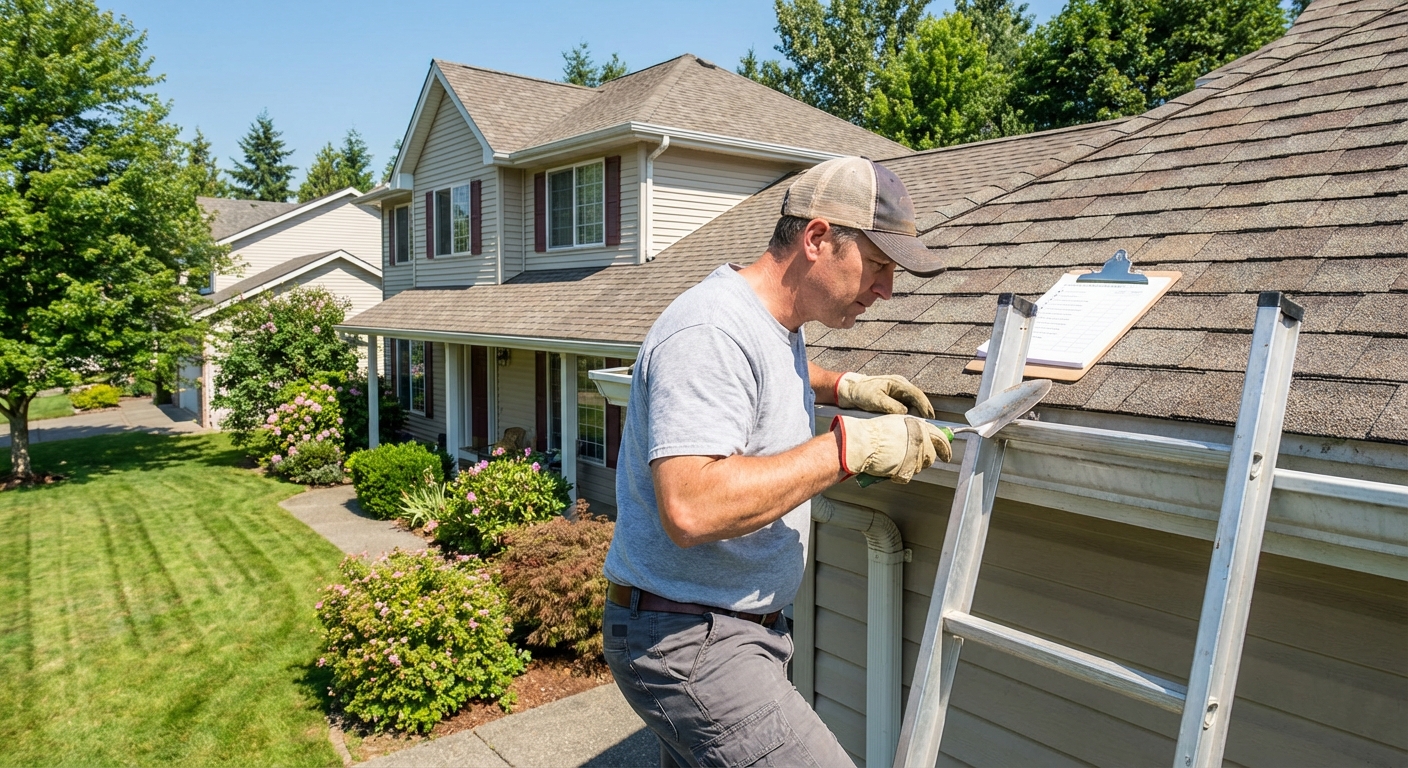
Insurers draw a sharp line between neglect (damage a reasonable homeowner could have prevented through routine upkeep) and a covered peril (an unexpected event that could not have been prevented). If a heavy rainstorm exposes a leak in a roof you've been regularly inspecting, that's a covered event. If the same storm reveals a leak caused by shingles that have been visibly cracked and curling for two years, an adjuster may deny the claim as neglect-based damage.
Recent 2026 industry reporting confirms this pattern. In storm-prone regions, the condition of your home before the clouds gathered is now the leading trigger for denied claims, and even a single curling shingle or patch of moss visible on aerial imagery can be enough for a carrier to reject a wind or hail claim. Learn more about your rights in our guides on structural damage coverage and common home insurance exclusions.

Compare Home Insurance Plans in Ohio
Find your best options in less than 2 minutes
Common Maintenance-Related Claim Denials in 2026
These are the four most frequent areas where homeowners lose claims due to insufficient upkeep:
Roof Leaks
Roof claims face some of the highest denial rates in the industry. Carriers contract with aerial analytics companies that fly drones or use satellite and fixed-wing imagery to photograph residential roofs across entire regions, then use AI to flag missing shingles, moss growth, curling shingles, and other signs of deterioration. In recent reporting, homeowners in Texas, California, Pennsylvania, and Florida have said insurers used aerial photos to demand costly repairs or drop coverage entirely, often without notifying the homeowner an inspection was taking place. Maintenance neglect alone accounts for roughly 9 to 10% of all claim denials nationally under the HO-3 policy's faulty maintenance and neglect exclusions. Review our guides on roof coverage rules and roof age eligibility.
Water Damage
Water damage claims are one of the most disputed categories, and most homeowners skip basic precautionary steps like checking appliance hoses or servicing their water heater. The most common trigger is gradual leakage: a slow drip under a sink, a deteriorating seal around a tub, or a cracked pipe fitting that went uninspected for months. Insurers classify this as maintenance failure, not an insurable event. Adjusters now review water usage history from utility bills to identify slow leaks, and if usage spiked months before the claim, they may cite neglect. For a full breakdown, review our guide on top claim denial reasons.
Foundation Issues
Foundation claims are almost universally denied under standard policies unless a sudden, covered peril is the direct cause. Gradual settling, soil movement, and age-related cracking are considered maintenance issues. If you ignore visible foundation cracks and they worsen over time, you'll likely be responsible for the full cost of repair, which can range from about $4,500 for moderate work up to $15,000 or more for extensive underpinning in 2026.
HVAC Failures
An HVAC system that breaks down due to lack of servicing is a textbook maintenance exclusion. Insurers heavily use maintenance defenses on HVAC and water heater claims because most homeowners can't produce service records on demand. If you haven't had your system professionally serviced and it fails, potentially causing water damage from a frozen coil or fire from an overloaded component, the claim can be denied. Full HVAC system replacement now runs roughly $6,000 to $10,000 in 2026, with premium equipment or duct modifications pushing costs higher. Our guide on HVAC insurance coverage explains how an equipment breakdown endorsement can close this gap for as little as $25 to $50 per year.

Protect your home with State Farm
Average Rate:
Homeowners who bundle and save with State Farm save an average of $1,000 per year!

You're in Good Hands® with Allstate
Average Rate:
Get comprehensive home coverage with flexible policy options.

Customize your home coverage
Average Rate:
Only pay for the coverage you need with personalized home insurance.

Smart coverage for your home
Average Rate:
Protect what matters most with award-winning home insurance.
Your Home Maintenance Schedule: What Insurers Expect
Insurers don't publish a specific checklist, but they do expect you to perform reasonable and routine maintenance as a condition of your coverage. Here's a practical schedule aligned with 2026 industry expectations:
Seasonal Maintenance Checklist
| Season | Key Tasks |
|---|---|
| Spring | Inspect roof for winter damage, clean gutters and downspouts, check foundation for new cracks, test sump pump, inspect attic for leaks |
| Summer | Inspect exterior siding and paint, check roof flashing, inspect and clean dryer vent, service AC unit |
| Fall | Service heating system/HVAC, clear gutters of leaves, check weatherstripping and caulking, inspect chimney if applicable |
| Winter | Inspect attic insulation and ventilation, check pipes in unheated areas, test smoke and CO detectors, inspect basement for moisture |
Monthly, Annual, and Long-Term Tasks
| Frequency | Task |
|---|---|
| Monthly | Test smoke and CO detectors, check under sinks for leaks, replace or inspect HVAC filter |
| Annually | Professional roof inspection, water heater flush, check all exterior caulking, update home inventory |
| Every 2 to 3 Years | Full plumbing inspection, electrical panel check, pest/termite inspection |
| Every 5 to 10 Years | Evaluate age and condition of major systems (HVAC, roof, plumbing) for replacement planning |
| Every 10 Years | Replace smoke and CO detectors |
How to Document Your Maintenance History
Proving you've maintained your home is just as important as actually doing the maintenance. Here's how to build a documentation trail that holds up during a claim:
- Keep a digital maintenance log with dates, tasks performed, cost, and contractor name
- Photograph key areas (roof, gutters, foundation, HVAC unit) at least once a year with timestamps
- Save all receipts and invoices for both DIY supplies and professional services
- Store permits and inspection certificates for any system upgrades
- Notify your insurer after significant repairs or upgrades, which can also qualify you for premium discounts
When filing a claim, submit maintenance records alongside damage photos and your repair estimates. Learn more about what to do after a denial and how home insurance inspections actually work.
Older Homes, Financial Consequences and FAQs
Special Considerations for Older Homes
Homes 30 years or older generally face heightened maintenance expectations. Key systems commonly flagged include:
- Roofs over 15 to 20 years old: Most standard carriers limit shingle roofs to 15 years (some 20 with documented condition) and tile or metal roofs to 25 years, and beyond those thresholds expect a four-point inspection, wind mitigation form, and sometimes a remaining-life statement before a binder is issued. On March 18, 2026, Fannie Mae issued Lender Letter LL-2026-03, which retired requirements around documenting replacement cost value and now allows roofs to be insured on an ACV basis rather than full replacement cost, giving carriers more room to push depreciation onto homeowners.
- Outdated electrical systems: Knob-and-tube wiring (pre-1940s) or aluminum wiring (1960s to 70s) is a major insurability concern
- Galvanized or polybutylene plumbing: These materials corrode and fail over time and may require replacement before renewal
- Foundation and structural integrity: Homes with visible settlement issues must have documented evidence of monitoring and repair
Owners of older homes should consider insurance without an inspection or a proactive walk-through to identify issues before your insurer does. See our guides on old roof age requirements and what insurers look for during underwriting for more.
The Financial Consequences of Neglect-Based Denials
When a claim is denied due to lack of maintenance, the financial impact is entirely on you. Here are updated 2026 out-of-pocket cost ranges:
| Scenario | Estimated Out-of-Pocket Cost (2026) |
|---|---|
| Roof replacement (asphalt shingle) | $9,500 to $18,000+ |
| Foundation repair (settlement-related) | $4,500 to $15,000 |
| Water damage remediation (gradual leak) | $1,300 to $6,300 |
| HVAC full system replacement | $6,000 to $10,000 |
| Mold remediation (from ignored moisture) | $1,800 to $8,000 |
According to NerdWallet's 2026 data, roof replacement averages $9,500, with a range from about $5,800 to $46,000 depending on materials and complexity, and typical costs of $4,000 to $11,000 per thousand square feet. Another 2026 industry estimate from Rafter Cost puts the national average closer to $10,000, with typical projects ranging from $7,500 to $14,000. Beyond the immediate repair cost, a history of neglect can trigger policy non-renewal or make your home harder to insure. Carriers are increasingly shifting older roofs (over 15 years) from replacement cost value to actual cash value, which can turn a $10,000 roof replacement into a payout of only a few thousand dollars after depreciation. Preparing for roof age coverage rules can help you stay ahead of coverage issues before they arise.
Frequently Asked Questions
Does home insurance cover wear and tear? No, wear and tear is a standard exclusion in virtually every homeowners insurance policy. Coverage is reserved for sudden, accidental losses caused by covered perils like storms, fire, or burst pipes. Gradual deterioration from age, lack of maintenance, or foreseeable decay is the homeowner's financial responsibility. Attempting to file a wear and tear loss as a covered claim can also result in policy cancellation for misrepresentation.
What counts as neglect under a home insurance policy? Neglect generally refers to damage a reasonable homeowner could have prevented through routine upkeep. Examples include a leaking roof that was never inspected or repaired, water damage from a slow drip that went unaddressed for months, and structural cracks that were visible but ignored. Insurers evaluate neglect based on inspection reports, claim history, utility usage patterns, aerial imagery, and the physical condition of your home at the time of loss.
How do I prove I've been maintaining my home when filing a claim? The strongest evidence includes dated contractor invoices, professional inspection reports, a written maintenance log, and timestamped photos of key areas like your roof, gutters, HVAC unit, and foundation. Storing these records digitally in cloud storage with backups ensures they're available when you need them. Submitting maintenance records proactively with your claim significantly reduces the chance of a neglect-based denial.
Can drone or AI inspections cause my claim to be denied? Yes. Insurers now use aerial imagery pipelines and AI to score property risk, and adverse actions can happen without a physical visit. California AB 1559 requires notice before aerial images are collected and bars decisions based on images older than 180 days without further verification. Hawaii SB 2953 prohibits denials based solely on aerial images, and Georgia SB 409 (effective July 1, 2026) adds new rules for residential coverage decisions. You generally have the right to dispute image accuracy and request an on-site inspection.
Are older homes harder to insure because of maintenance issues? Older homes face more scrutiny but are not uninsurable, provided they are well-maintained. Insurers focus on the condition of the roof, electrical system, plumbing, and foundation rather than age alone. Homeowners with older properties should conduct proactive inspections, update aging systems as needed, and keep thorough maintenance records. Specialty policies and independent agents can help find carriers with flexible guidelines for homes that don't qualify for standard coverage.