
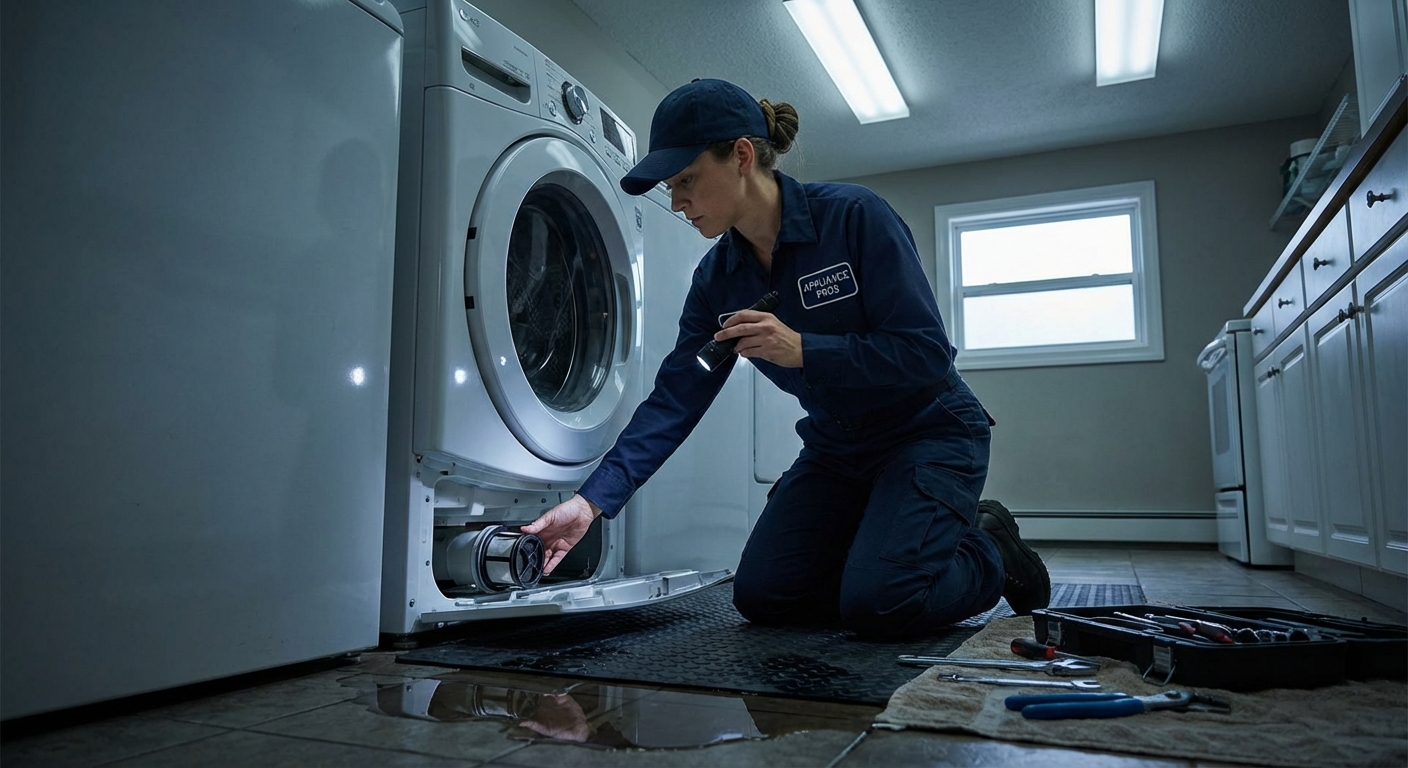
Common Washing Machine Drainage Problems
Clogged or Kinked Drain Hose
The drain hose is your washing machine's lifeline for expelling water. When it becomes clogged with lint, fabric fibers, coins, or small clothing items like socks, water has nowhere to go. Kinks in the hose are equally problematic, as they create physical barriers that prevent proper water flow, and they remain one of the most frequent culprits behind a washer that won't drain.
A kinked hose typically occurs when the washing machine is pushed too close to the wall or when the hose isn't properly secured during installation. Even a slight bend can significantly restrict water flow, causing drainage issues that worsen over time. Regular inspection of the hose can prevent these problems before they escalate.
Drain Pump Failure
The drain pump is the mechanical heart of your washing machine's drainage system. This component actively pushes water out of the drum through the drain hose. When it fails, you'll often hear unusual sounds like humming, grinding, or complete silence when the drain cycle should activate.
Pump failure can result from foreign objects (coins, bra wires, screws) jamming the impeller, worn bearings, electrical malfunctions, or simply age-related wear. Most washing machines display error codes (such as E2, F21, OE, or 5E) when pump issues occur. The average drain pump lasts 5-10 years depending on usage and maintenance.
Blocked Pump Filter
Most modern front-loading washers and some top-loaders include a pump filter (sometimes called a coin trap) designed to catch debris before it reaches the pump. This filter can become clogged with lint, coins, buttons, hair ties, tissues, and other small items that escape from pockets or break down during washing. Across recent repair guidance, a clogged filter is often cited as the single most common cause of water remaining in the drum.
A blocked filter is often the easiest problem to fix yourself. Located behind a small access panel at the front bottom of front-load washers, this filter should be cleaned monthly to prevent drainage issues. Neglecting this simple maintenance task accounts for a significant percentage of service calls that could have been avoided.
Standpipe and Drain Line Issues
Problems with your home's plumbing infrastructure can masquerade as washing machine issues. A standpipe that's too short, improperly vented, or lacks adequate diameter can cause water to back up during the drain cycle. Under current International Plumbing Code (IPC) and Uniform Plumbing Code (UPC) requirements, the standpipe must be at least 2 inches in diameter and extend a minimum of 18 inches above the trap, with maximum heights ranging from 30 to 42 inches depending on the code edition adopted in your jurisdiction.
Clogs in the main drain line that serve multiple fixtures will cause your washing machine to drain slowly or back up entirely. If you notice slow drains in other fixtures like sinks or toilets, the problem is likely in your home's plumbing system rather than the appliance itself.
Excessive Lint and Detergent Buildup
Over time, lint fibers combine with soap residue to create a sticky substance that coats the inside of drain hoses and pipes. This buildup gradually narrows the passage for water, eventually causing complete blockages. Using excessive detergent, especially non-HE detergent in high-efficiency washers, accelerates this problem significantly.
"Suds lock" is a related condition where too much foam prevents proper drainage by interfering with the pump and sensors. Modern HE washers use less water and require specially formulated low-sudsing detergents. Using regular detergent can create excessive suds that block drainage and trigger error codes.
Lid Switch and Sensor Failures
Modern machines will not initiate the drain cycle if they think the door or lid is open. A defective lid switch, door lock, or unbalance sensor is consistently listed among the main drainage-failure causes in 2026 repair data. If the switch is stuck or broken, the control board may never trigger the pump, even when everything else is working perfectly.

Find Trusted & Licensed Plumbers in Ohio
Get matched with companies for your specific needs
Troubleshooting Steps for Drainage Problems
Initial Inspection and Quick Fixes
Start by unplugging your washing machine and turning off the water supply. Pull the machine away from the wall to access the drain hose. Check for obvious kinks, bends, or damage to the hose exterior. Straighten any kinks and ensure the hose isn't crushed between the machine and wall.
Verify that the drain hose is inserted no more than 4-6 inches into the standpipe. If inserted too far, it can create siphoning or an airlock that prevents proper drainage. The hose should be secured but not pushed all the way down into the pipe.
Cleaning the Drain Pump Filter
For front-load washers, locate the small access panel at the bottom front of the machine. Place towels underneath as water will spill out when you open the filter compartment. Slowly unscrew the filter cap counterclockwise, allowing water to drain into your towels or a shallow pan.
Remove the filter completely and clean out all debris. Rinse the filter under running water and check the filter housing cavity for additional objects. Reinstall the filter by screwing it clockwise until snug, then run a rinse cycle to test drainage.
Testing the Drain Pump
Access to the drain pump varies by model but typically requires removing the front or rear service panel. Before accessing internal components, ensure the machine is unplugged and water supply is shut off. Once exposed, check for objects blocking the pump impeller.
Manually rotate the impeller to check for smooth movement. It should spin freely without grinding or resistance. If the impeller is damaged or the pump motor doesn't hum when activated, the pump likely needs replacement. Use a multimeter to test for electrical continuity if you're comfortable with basic electrical diagnostics.
Inspecting the Drain Hose Thoroughly
Detach the drain hose from both the washing machine and standpipe. Run water through it using a garden hose or sink faucet to check for blockages. Shake the hose vigorously and flex it to dislodge any debris stuck inside.
Inspect the hose for cracks, holes, or deterioration, especially near the connection points. Even small cracks can cause leaks that lead to water damage. Replace hoses every 5-7 years as preventive maintenance, even if they appear functional.
Checking External Plumbing
Pour a bucket of water directly into your standpipe to test if the household drain system is clear. Water should disappear quickly without backing up. If water rises in the standpipe or drains very slowly, the blockage is in your home's plumbing, not the washing machine.
Check other fixtures on the same drain line. If your washing machine drains into a utility sink that's also draining slowly, or if water backs up into nearby floor drains, you have a plumbing clog that requires different solutions than appliance repairs.
Plumbing vs. Appliance Issues: Making the Right Call
When It's an Appliance Problem
Appliance issues are isolated to the washing machine itself. If water drains fine from other fixtures but your washer won't drain, you're dealing with an appliance problem. Common appliance-related causes include failed drain pumps, blocked internal filters, kinked drain hoses, defective lid switches, or electronic control board failures.
Error codes displayed on your washing machine's panel typically indicate appliance issues. These codes help technicians quickly diagnose pump failures, sensor malfunctions, or electrical problems. If you can hear the drain pump attempting to work (humming or grinding sounds), that's another sign of an appliance issue rather than a plumbing blockage.
When It's a Plumbing Problem
Plumbing problems affect multiple fixtures or show signs beyond the washing machine. If your kitchen sink or bathroom sinks drain slowly, toilets bubble when you run the washing machine, or water backs up into floor drains, you have a plumbing system clog. These issues require a plumber's expertise rather than an appliance repair technician.
Standpipe overflows during the wash cycle indicate insufficient drain capacity or venting problems in your plumbing system. If water comes back out of the standpipe while the machine drains, the pipe is either undersized (current code requires 2 inches minimum), lacks proper venting, or connects to a clogged main drain line.
Professional Diagnosis Costs in 2026
Appliance repair technicians typically charge $100-150 for a service call and diagnostic fee in 2026, which may be waived if you proceed with repairs. The national average for washer repair sits at about $204, with most jobs falling between $128 and $324. Drain pump replacement now runs $150-350 including parts and labor, with high-end or premium-brand machines pushing into the $400 range. Simpler repairs like replacing a drain hose run $100-200.
Plumber service calls range from $100-250 depending on your location and time of day. Snaking a washing machine drain line typically costs $150-250, with Thumbtack data showing most laundry-drain jobs land between $150 and $215. More complex repairs involving standpipe replacement or main line clearing can run $300-800. Understanding which professional to call first saves time and money.
Proper Drain Installation Requirements
Standpipe Specifications
Under the current IPC and UPC, the washing machine standpipe must extend at least 18 inches above the trap weir. The UPC caps standpipe height at 30 inches above the trap, while many IPC-based jurisdictions allow up to 42 inches (the 2024 Ohio Plumbing Code is one example). The standpipe diameter must be at least 2 inches, and the fixture drain must connect to a branch drain or stack of at least 3 inches.
A P-trap must be installed below the standpipe connection point. Under UPC rules, the trap is roughed in between 6 and 18 inches above the floor (not below the floor). Unlike S-traps, P-traps prevent sewer gases from entering your home while allowing proper drainage. The trap should be installed with a 1/4-inch slope per foot toward the main drain line to maintain gravity flow.
| Installation Requirement | Specification | Purpose |
|---|---|---|
| Standpipe Height (above trap) | 18 in. min, 30-42 in. max | Prevents siphoning and backpressure |
| Standpipe Diameter | 2 inches minimum | Handles flow rate without backup |
| Branch/Stack Connection | 3 inches minimum | Adequate downstream capacity |
| Trap Position | 6-18 in. above floor | Blocks sewer gases, allows drainage |
| Drain Slope | 1/4 inch per foot | Maintains gravity flow |
| Hose Insertion Depth | 4-6 inches maximum | Prevents airlock and siphoning |
Drain Hose Connection Best Practices
Insert the washing machine drain hose no more than 4-6 inches into the standpipe opening. Inserting it deeper can create siphoning effects that drain water prematurely from the drum. The connection should be an air break (the hose hooks over the rim and is not sealed into the pipe), which is required under both IPC and UPC for residential washers.
Secure the drain hose to prevent it from being pushed out during the drain cycle's force. Use a hose strap, zip tie, or wire to hold the hose in position without crimping it. Ensure the hose has no dips or low points where water can pool, as this creates drainage resistance. Learn more about proper appliance plumbing connections for other household devices.
Proper Venting Requirements
All washing machine drain systems require adequate venting to allow air into the system as water flows out. The vent should tie into your home's main vent stack or extend through the roof independently. Without proper venting, drainage becomes slow and inconsistent, and you may experience gurgling sounds or bubbling in nearby fixtures.
In some cases, an air admittance valve (AAV) can substitute for traditional venting, though local codes vary. AAVs are one-way valves that allow air into the system but prevent sewer gases from escaping. Check with your local building department before using AAVs as they're not permitted in all jurisdictions.
Preventing Washing Machine Drain Clogs
Regular Maintenance Schedule
Clean your washing machine's pump filter monthly by removing all debris and rinsing it thoroughly. This simple 5-minute task prevents the majority of drainage problems. Set a calendar reminder to ensure you don't forget this critical maintenance step.
Run a maintenance cycle monthly using hot water and one cup of white vinegar or your washer's "tub clean" cycle. This dissolves soap scum, detergent residue, and mineral buildup before they can accumulate into clogs. For quarterly deep cleaning, use a baking soda and vinegar combination followed by a kettle of hot water to thoroughly flush the drainage system.
Installing Lint Traps
Add a mesh lint trap to the end of your drain hose where it connects to the standpipe. These inexpensive devices (available at hardware stores for $5-15 in 2026) catch lint and debris before they enter your home's plumbing. Secure them with a zip tie or hose clamp, and clean or replace the trap when it appears half full of lint, or every 2-4 loads.
For homes with older plumbing or recurring drain issues, consider installing an inline filter on the drain hose. These filters capture much finer fibers than simple mesh traps and align with current concerns about microfiber pollution. They can significantly extend the life of your drain system, especially in septic-system homes.
Proper Detergent Usage
Use only HE (High Efficiency) detergent in HE washing machines, and follow the manufacturer's dosage recommendations carefully. More detergent doesn't mean cleaner clothes. It means more residue coating your drain system. Most people use 2-3 times more detergent than necessary, creating unnecessary buildup.
Current plumbing guidance favors liquid detergent over powder because liquids dissolve more completely and are less likely to leave residue that contributes to clogs. If you have hard water, use a water softener or detergents formulated for hard water to prevent mineral and soap-scum accumulation in drain hoses and pipes.
Load Management
Avoid overloading your washing machine beyond its capacity rating. Overloading produces excessive lint, strains the motor, and can prevent proper draining, which leads to more residue settling in the drain lines. Heavy, water-saturated loads also increase wear on the pump and other drainage components.
Check pockets before washing to remove coins, tissues, paper, and small items that can block filters and pumps. Zip up zippers and close fasteners to prevent them from breaking off during the wash cycle. Use mesh laundry bags for small items like baby socks and delicates that could escape and clog the drain.
| Maintenance Task | Frequency | Time Required | Cost |
|---|---|---|---|
| Clean pump filter | Monthly | 5 minutes | Free |
| Vinegar / tub clean cycle | Monthly | 60 minutes | $1-2 |
| Lint trap cleaning | Every 2-4 loads | 2 minutes | Free |
| Drain hose inspection | Monthly | 5 minutes | Free |
| Baking soda/vinegar flush | Quarterly | 90 minutes | $2-3 |
When to Call a Professional
Calling an Appliance Repair Technician
Contact an appliance repair technician when you've ruled out simple clogs and external plumbing issues. If you've cleaned the filter, checked the hose, and confirmed your household drains work properly, the problem likely involves internal components like the drain pump, door switch, or control board.
Signs you need an appliance technician include error codes on your display, unusual noises (grinding, squealing, or loud humming) during drain cycles, the machine completing wash cycles but skipping the drain/spin phase, or water remaining in the drum after cycles should finish. These symptoms indicate mechanical or electrical failures within the appliance.
Calling a Plumber
Call a plumber when multiple fixtures drain slowly, water backs up into other drains when running the washing machine, you notice sewer odors near the washing machine area, or the standpipe overflows during drain cycles. These issues indicate problems with your home's drain system, not the appliance itself.
Plumbers have specialized tools like motorized drain snakes, hydro-jetters, and camera inspection equipment to diagnose and clear plumbing clogs. Current best-practice guidance recommends professional cleaning of heavily used drain lines every 18-22 months, especially in older homes or where backups have occurred. If your home was built before 1990, having a plumber inspect your washing machine drain system can prevent future problems.
Emergency Situations
Call for immediate professional help if you experience active flooding, water leaking from connections or the machine cabinet, electrical sparking or burning smells, or sewage backing up through the washing machine standpipe. These situations can cause extensive water damage or present safety hazards.
Turn off the water supply to the washing machine immediately and unplug the unit if safe to do so. Place towels or buckets to contain any leaking water until help arrives. Many plumbing and appliance repair services offer 24/7 emergency response for situations that can't wait until regular business hours.
Frequently Asked Questions
Why does water back up into my sink when the washing machine drains?
This occurs when your washing machine and sink share a common drain line that has a clog or insufficient venting. As the washing machine pumps out large volumes of water quickly, it overwhelms the partially blocked drain, forcing water back through the path of least resistance into your sink. You'll need a plumber to snake the shared drain line and possibly improve venting to resolve this issue completely. Learn more about kitchen sink clogs and related issues.
How often should I clean my washing machine drain pump filter?
Clean your drain pump filter at least once monthly if you have a front-loading washing machine. If you wash pet bedding frequently, have family members who shed hair, or notice increased lint, clean it every 2-3 weeks. Top-loading washers may not have accessible filters, but should have internal systems inspected annually by a technician. Regular filter maintenance prevents 60-70% of drainage problems and extends your washing machine's lifespan significantly.
Can I use chemical drain cleaners in my washing machine drain?
Avoid using chemical drain cleaners in washing machine drains as they can damage rubber hoses, gaskets, and pump components. These harsh chemicals are also ineffective against lint and fabric clogs, which don't dissolve like hair or soap scum. Instead, use mechanical methods like drain snakes, or natural solutions like vinegar and hot water for maintenance. If you have a stubborn clog, call a plumber who can use appropriate tools without risking damage to your appliance or plumbing system. Consider professional drain cleaning services for persistent issues.
What causes a washing machine drain to smell bad?
Foul odors from washing machine drains typically result from bacterial growth in standing water, accumulated lint and detergent residue, or sewer gases entering through an improperly vented or dry P-trap. Regular maintenance with vinegar cycles helps eliminate bacteria and residue. If odors persist, check that your standpipe has a properly functioning P-trap that contains water to block sewer gases. Similar odor issues can occur in other drains like your bathtub or shower.
How do I know if my drain pump is bad or just clogged?
A clogged pump will often make labored humming sounds as it tries to work against the blockage, while a completely failed pump may be silent or make clicking noises without any humming. After cleaning the filter and drain hose, run a drain cycle and listen carefully. If you hear humming but no water movement, remove the pump to check for blockages in the pump housing itself. If the pump is silent despite the machine attempting to drain, the pump motor has likely failed electrically and needs replacement, which typically costs $150-350 in 2026.