
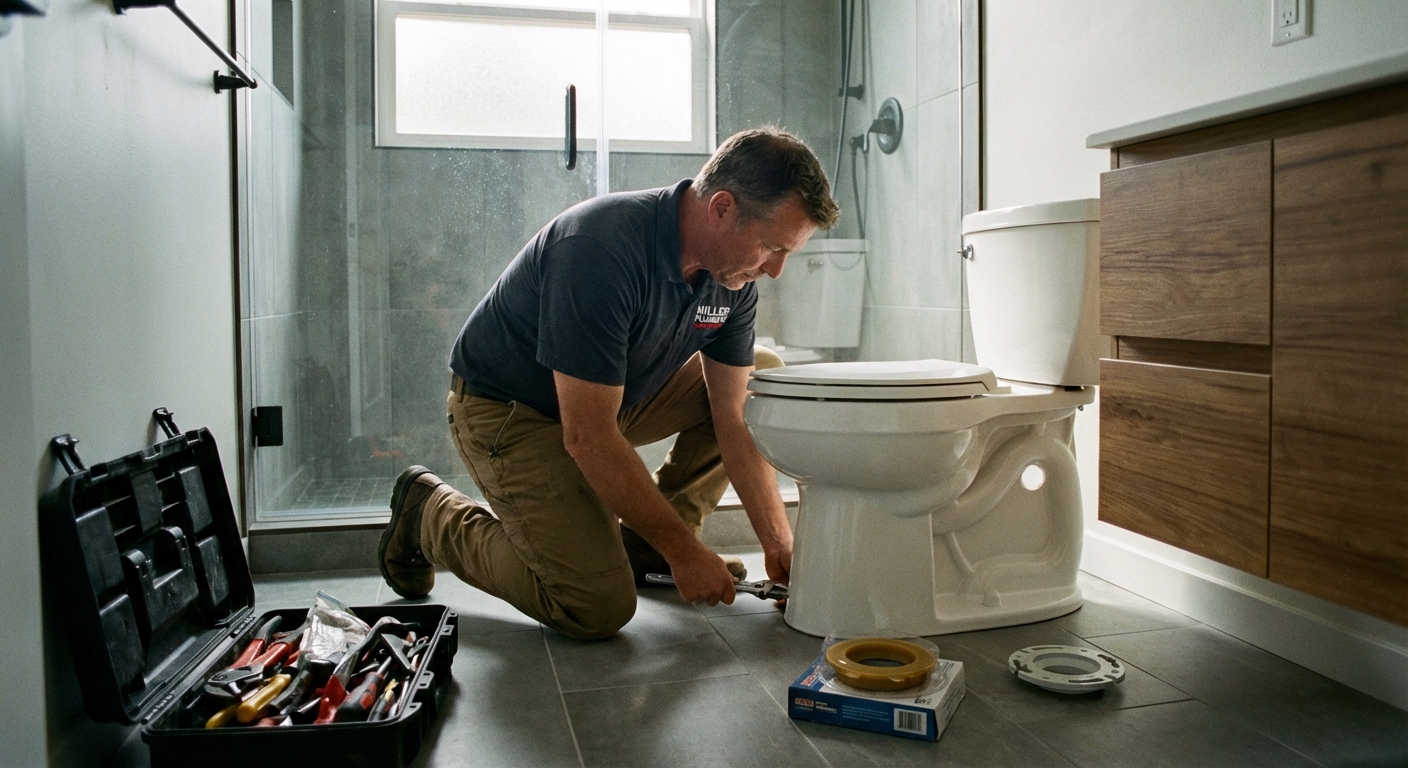
Breaking Down the Cost to Install a Toilet in 2026
Whether you're dealing with a cracked bowl, an aging inefficient unit, or a full bathroom remodel, understanding the average cost to install a toilet is the first step to avoiding sticker shock. According to 2026 industry data, most homeowners pay between $350 and $800 for a standard toilet replacement, with a national average around $374 for labor-included installs. That number can swing dramatically depending on your toilet type, existing plumbing condition, and whether you hire a professional or go the DIY route.
Here's exactly where your money goes in 2026:
| Cost Component | Typical Range (2026) |
|---|---|
| Toilet Unit (two-piece) | $100 – $500 |
| Labor | $150 – $450 |
| Supplies & Hardware | $50 – $150 |
| Old Toilet Removal & Disposal | $50 – $200 |
| Total (Standard Replacement) | $350 – $800 |
For more complex installs, such as wall-hung or smart toilets, total costs can climb well above $1,500 to $3,000. May 2026 estimates from Homewyse put the basic installed cost between $635 and $1,151 per toilet when factoring in supplies and disposal, while Angi's 2026 dataset shows most homeowners paying between $224 and $533.
What's Usually Included in a Professional Toilet Installation Service
When you hire a plumber for a toilet installation, their service fee generally covers more than just bolting the toilet to the floor. Here's what a typical toilet installation service includes in 2026:
- Removal and disposal of the old toilet
- Wax ring replacement (the seal between toilet base and floor drain)
- New supply line connection and shutoff valve check
- Leveling and securing the toilet base to the floor
- Silicone caulking around the base perimeter
- Leak testing after installation
- Basic flange inspection (though repairs are typically billed separately)
Standard professional installation takes 1 to 3 hours. If your plumber discovers a damaged flange, rotted subfloor, or mismatched rough-in during the job, expect additional charges.
Wax Ring & Flange: Small Parts, Big Impact on Cost
Two of the most overlooked add-ons in any toilet replacement are the wax ring and the toilet flange.
- Wax ring replacement: Usually bundled into the labor cost; parts run $5 to $30 on their own. As a standalone repair (with labor), expect $50 to $200.
- Flange repair or replacement: Adds $145 to $350 on average in 2026, with severe cases (corroded cast iron, broken bolts) reaching $500 in labor plus parts. A cracked or corroded flange is a common surprise in older homes and can't be skipped without risking future leaks.
Learn more about broken toilet flange repair if your plumber finds damage during the install.

Find Trusted & Licensed Plumbers in Ohio
Get matched with companies for your specific needs
Toilet Type: The Biggest Factor Affecting Installation Cost
Not all toilets cost the same to install. The style and complexity of the unit you choose has a major impact on labor cost to install a toilet and total project price. Here are the 2026 installed cost ranges from HomeGuide:
Two-Piece Toilets
The most common and budget-friendly option. The tank and bowl are separate, making them easier to ship, maneuver, and repair. These are the most DIY-friendly and typically have the lowest labor cost. Units start around $100 to $200.
One-Piece Toilets
Sleek, easy to clean, and more modern in appearance. However, one-piece toilets weigh over 100 lbs, often requiring two people or mechanical assistance to position. Expect to pay $400 to $1,200 installed on average in 2026.
Wall-Hung Toilets
Wall-mounted units require a concealed in-wall carrier system, reinforced wall framing, and precise plumbing alignment. These are always a professional-only job and typically cost $600 to $2,400 installed, not including structural wall work or drywall finishing.
Smart Toilets
These premium units combine plumbing with electrical features like heated seats, bidet functions, and auto-flush. Installation requires both plumbing and electrical work (often a new GFCI outlet), pushing total costs to $750 to $2,500 or more. For other hands-free upgrades, see our guide on touchless plumbing fixtures.
Factors That Drive the Cost to Replace a Toilet Higher
Beyond the toilet type, several project-specific variables can significantly inflate your final bill.
Floor Repairs & Subfloor Damage
A leak from an old, poorly sealed toilet can silently rot the subfloor beneath it. If your plumber lifts the old toilet and finds damaged wood, repairs must happen before the new toilet goes in. Small subfloor patches near the flange typically run $200 to $500, while larger damage that extends to joists can exceed $1,500. Bathroom flooring replacement runs $8 to $24 per square foot depending on material.
Check out our guide on shower pan leak repair to understand how water damage under fixtures compounds quickly if ignored.
Plumbing Modifications
If your new toilet has a different rough-in measurement (the distance from the wall to the drain center), your plumber may need to adjust the drain location. Pipe replacement adds $70 to $700, and full toilet relocation can cost up to $3,000. Understanding bathroom plumbing layout requirements before buying a new fixture can help you avoid these surprises.
Other common 2026 modifications include:
- New shutoff valve: $75 to $200
- Water supply line replacement: $25 to $75
- Upflush or macerating system (for basement bathrooms): $1,000 to $2,500
Location Within the Home
Where your toilet is located also affects price:
| Location | Typical Installed Cost (2026) |
|---|---|
| Ground floor (existing plumbing) | $350 – $500 |
| Upper floor | $400 – $600 |
| Basement (with existing drain) | $500 – $800 |
| Basement (no existing plumbing) | $1,500 – $2,500+ |
If you're dealing with a basement bathroom, also review our guide on basement bathroom plumbing options. Basement toilets often rely on ejector pumps or macerating systems to move waste uphill to the main sewer line.
Regional Price Variations
Labor rates vary widely across the US in 2026. Plumbers typically charge $75 to $150 per hour for standard work, while master plumbers in major metros can charge $100 to $200 per hour. High cost-of-living cities like San Francisco, New York, Los Angeles, and Boston see installed toilet costs in the $500 to $800+ range, while mid-size cities and rural areas hover around the national average of $300 to $600. For a deeper breakdown of trade rates, see our plumbing service cost guide.
DIY vs. Professional Toilet Installation: Which Is Right for You?
Many homeowners consider doing it themselves to save on labor cost to install a toilet. DIY can save $150 to $450 in labor, but it's not the right move for everyone. Make sure you have the essential plumbing tools on hand before starting.
When DIY Makes Sense
- You're replacing a standard two-piece toilet with the same rough-in size
- The existing flange is in good condition
- You're comfortable using basic hand tools and following step-by-step instructions
- You've watched reliable tutorial content and understand leak testing post-install
When to Hire a Professional
- You're installing a wall-hung, one-piece, or smart toilet
- You notice soft spots, discoloration, or odors around the toilet base (potential subfloor damage)
- Your new toilet has a different rough-in measurement than the old one
- You want the work done quickly and with a warranty on labor
If a DIY install goes wrong, a leak can cause thousands in water damage, far exceeding what you saved on labor. For peace of mind on related plumbing work, also explore our faucet replacement cost guide and kitchen sink installation guide to compare similar project costs. If an emergency arises during your project, check our running toilet repair guide for quick fixes that can buy you time.
Frequently Asked Questions
How much does it cost to install a toilet on average in 2026?
The national average toilet installation cost ranges from $350 to $800 for a standard two-piece unit on the ground floor with no complications. Angi's 2026 dataset shows a typical range of $224 to $533, while Homewyse puts the all-in installed cost at $635 to $1,151 depending on site conditions. More complex installs, like wall-hung or smart toilets, can cost $1,500 to $3,000 or more. Always get multiple quotes from local plumbers to find the best price in your area.
What is the labor cost to install a toilet?
Labor alone typically runs $150 to $450 for a standard toilet replacement in 2026, with most plumbers charging $75 to $150 per hour. In high-cost cities, master plumbers may charge $100 to $200 per hour, while rural or mid-size markets are more affordable. Most standard installs take 1 to 3 hours of labor. Complex installs requiring flange repair or plumbing modifications can push labor into the $325 to $440 range.
Is it cheaper to repair or replace a toilet?
Minor repairs like a flapper, fill valve, or wax ring replacement typically cost $75 to $300 and are worth doing on a toilet that's otherwise in good shape. However, if your toilet is cracking, constantly running, or more than 15 to 20 years old, a full replacement is often the smarter long-term investment. A new WaterSense-certified toilet can also cut water usage by 20 to 60%. Our plumbing fixture lifespan guide can help you decide.
Does toilet installation include removal of the old toilet?
Most professional plumbers include old toilet removal in their installation quote, but it's not always automatic. Always confirm upfront. Disposal fees, if billed separately, typically run $50 to $200 in 2026. Some municipalities allow you to leave an old toilet at the curb for bulk trash pickup, which can eliminate the disposal charge entirely.
How much does it cost to install a toilet wax ring?
If a wax ring needs to be replaced on its own (outside of a full toilet replacement), the cost typically runs $90 to $200 including labor in 2026. The wax ring itself is an inexpensive part ($5 to $30), but the labor to remove the toilet, replace the seal, reseat, and test the toilet accounts for most of the cost. This is a job many experienced DIYers can handle with basic tools in about an hour.