
Compare Car Insurance Rates in Ohio
See if you qualify for a lower rate in less than 2 minutes



What Causes a Car Insurance Lapse
Several situations can lead to a lapse in your car insurance coverage, each with varying degrees of severity and impact on your driving record.
Missed or Late Payments
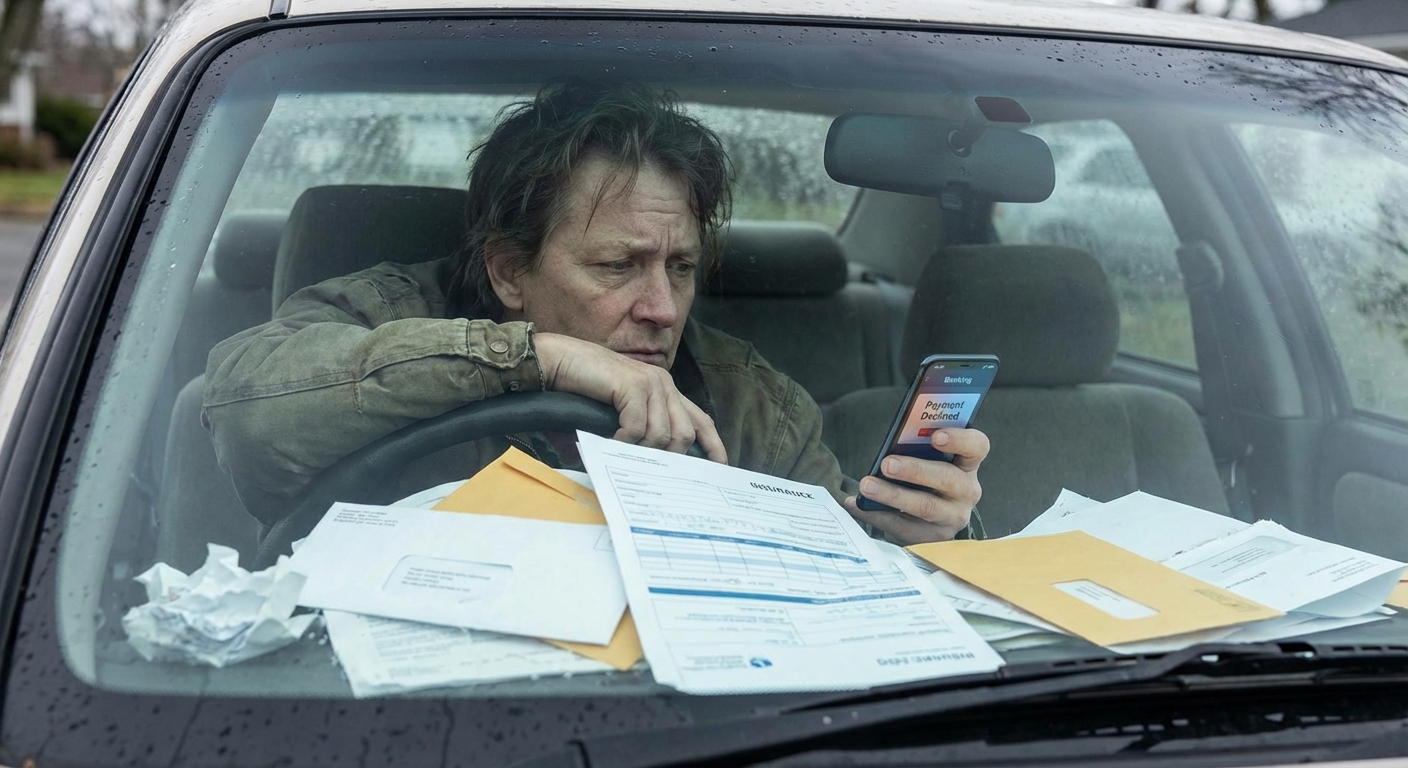
The most common cause of insurance lapses is missing premium payments. Even a single late payment can trigger policy cancellation if it falls outside your insurer's grace period. Financial difficulties, forgotten due dates, or issues with automatic payment methods frequently result in unintentional lapses. Learn more about the car insurance reinstatement process if you have already experienced a lapse.
Policy Cancellation
Insurers may cancel your policy for reasons beyond missed payments, including multiple claims within a short period, serious driving violations like DUI, providing false information on your application, or engaging in risky behavior that increases their liability exposure. Understanding why your insurer might cancel your policy can help you navigate this situation.
Switching Insurance Companies
Creating gaps between policies when switching providers is a surprisingly common mistake. If your old policy ends before your new coverage begins, even by a single day, you will have a lapse on your record that can affect your rates for years. Make sure your new policy is active before canceling your old one. Staying on top of coverage gaps and continuous coverage is a critical step when switching carriers.
Administrative Issues
Moving without updating your billing address, assuming you no longer need coverage because you are not driving regularly, or failing to renew before your policy expiration date can all create lapses that carry the same penalties as missed payments. If you are not driving, you still need coverage. See our guide on car insurance while unemployed for affordable options, or explore insurance for parked and stored vehicles if your car is off the road.

Compare Car Insurance Rates in Ohio
See if you qualify for a lower rate in less than 2 minutes
Insurance Lapse Penalties and Consequences
The penalties for allowing your car insurance to lapse extend far beyond simply needing to purchase new coverage. These consequences can impact your finances and driving privileges for years.
Rate Increases
Premium increases represent one of the most significant financial impacts of a coverage lapse. According to ValuePenguin's 2026 analysis, drivers with a coverage lapse of 30 days or less saw an 8% average car insurance rate increase, while those with a coverage lapse greater than 30 days saw an average rate increase of 35%. MoneyGeek's 2026 data show a similar pattern: a 10.6% average increase (about $149 per year) for lapses of 30 days or fewer, and a 22.4% increase (about $315 per year) for gaps longer than 30 days. Insurance.com data show slightly different averages: an 11% increase after a lapse of seven days, 14% after 30 days, and 22% after 45 days. High-risk insurers like The General may raise rates up to 48% for a 60-day lapse.
Notably, California does not allow insurers to raise premiums solely due to a lapse, though carriers may apply a "persistency credit" that rewards continuous policyholders with lower rates. Louisiana's Act 476, effective January 1, 2026, prohibits insurers from increasing premiums or adding surcharges based on an insured's first lapse in coverage if the lapse does not exceed 90 days. Policyholders with five or more years of continuous coverage after a lapse have their next lapse treated as a first lapse again.
Rate impact also varies by insurance company. USAA and Travelers typically impose the lowest penalties for short lapses, while other carriers' increases depend heavily on lapse duration and your overall history. Understanding the long-term consequences of a lapse in coverage can help you make smarter financial decisions during and after a gap.
License and Registration Suspension
Most states require continuous insurance coverage on all registered vehicles. Car insurance and vehicle registration are legally linked. In many states, your registration can be suspended the moment your insurer reports a lapse to the DMV. If caught driving without insurance or if your insurer reports your lapse, you face license suspension, vehicle registration suspension, and potential vehicle impoundment with daily storage fees. Learn how insurance and registration requirements work by state.
North Carolina's House Bill 1094 (Session Law 2026-46), signed in July 2026 and effective October 1, 2026, extended the DMV response window for an insurance-lapse notice from 10 days to 30 days, giving drivers more time to resolve gaps before penalties kick in. Penalties for driving without insurance still vary widely by state and can escalate quickly with repeat offenses.
SR-22 Requirements
After certain types of lapses, particularly those involving suspension or repeat offenses, many states require you to file an SR-22 certificate. This document proves you carry the state-required minimum coverage and typically must be maintained for two to three years depending on your state and the nature of the offense. Even a brief SR-22 lapse can trigger automatic license re-suspension and restart your entire filing period from the beginning.
Delaware, Kentucky, Minnesota, New Mexico, New York, North Carolina, Oklahoma, and Pennsylvania use alternative forms or processes instead of SR-22. Florida and Virginia use FR-44 instead for DUI-related cases, which requires significantly higher liability coverage limits (100/300/50 in Florida and 100/200/50 in Virginia). Oregon's SB 840 shortened its SR-22 obligation from three years to one year for convictions of driving uninsured, and Ohio's HB 29 made a similar reduction to one year for non-accident convictions. If you need to file, review our guide to SR-22 insurance requirements and costs.
Fines and Legal Penalties
Driving without insurance carries serious legal consequences that vary significantly by state. Below is a snapshot of penalties for first-time offenders based on 2026 data:
| State | First Offense Penalty | Additional Consequences |
|---|---|---|
| Texas | $175 to $350 fine + court costs | Class C misdemeanor under §601.191; $350 to $1,000 for repeat offenses; possible SR-22 |
| New York | Up to $1,500 civil penalty | Up to 1-year registration revocation; possible 15 days jail |
| Virginia | $600 noncompliance fee | 180-day license suspension |
| Pennsylvania | $500 minimum fine | 3-month license/registration suspension |
| Georgia | $25 lapse fine (+ up to $160 if unpaid in 30 days) | Registration suspension |
| Florida | Reinstatement fee up to $500 | License and plate suspension; SR-22 required |
| Delaware | $1,500 minimum | 6-month suspension |
| New Jersey | Up to $5,000 for repeat offenses | License suspension possible |
| Wyoming | $250 to $750 first offense | SR-22 for 3 years; up to 6 months jail |
Long-Term Insurance Impact
A lapse remains on your insurance record for up to three years or longer, affecting your ability to obtain affordable coverage during that entire period. You may be classified as a high-risk driver, causing some insurers to refuse coverage altogether or impose stricter policy terms. Recovery typically takes 6 to 12 months of continuous, uninterrupted coverage to access better pricing tiers. If you are labeled high-risk, explore car insurance after license suspension for affordable coverage options.

Protect your car with Farmers
Average Rate:
Find coverage options that fit your budget.

The insurance savings you expect.
Average Rate:
Enjoy personalized policies, comprehensive coverage & more.

See how much you could save today!
Average Rate:
Drivers who switch their auto insurance and save with State Farm save $764 on average!

Safe Drivers Save with Allstate®
Average Rate:
Get rewarded with savings for having a clean driving record.
Grace Periods and Reinstatement Options
Understanding your insurance company's grace period and reinstatement process can mean the difference between a simple late payment and a full policy lapse with all its consequences.
Grace Period Length by Company
Most major insurers offer grace periods ranging from 7 to 30 days, though the exact length varies significantly by insurer, state, and payment method. According to InsureMojo's 2026 analysis, most insurers give 7 to 30 days, with GEICO at 9 days, State Farm at 10, Allstate up to 30, and AAA offering none unless state law requires it.
| Insurance Company | Grace Period | Notes |
|---|---|---|
| State Farm | ~10-15 days | Varies by state; case-by-case reinstatement |
| GEICO | 9 days | 9-day grace before cancellation notice; ~14 days after notice |
| Progressive | 10-20 days | State-dependent; notification sent before cancellation |
| Allstate | Up to 30 days | Often rolls to next month with a late fee |
| Nationwide | 3-5 days | Short grace window; verify with agent |
If you are enrolled in automatic payments, your grace period may be considerably shorter or nonexistent. Read our guide on car insurance grace periods to understand what happens after a missed payment.
State-Mandated Requirements
Some states require minimum grace periods, while others leave the policy entirely to individual insurance companies. California, for example, requires 10 days' notice before non-payment cancellation. Virginia mandates 31 days after initial payment. Louisiana's Act 182 (effective July 2026) extended cancellation notice requirements to 60 days for most reasons, with a 10-day carve-out for non-payment. Always review your policy documents or contact your insurer to determine your exact grace period.
Payment During Grace Period
Making a payment during the grace period does not reset your payment schedule. Your next payment still comes due on the original date, which could result in two payments within one month. Plan accordingly to avoid creating another late payment situation. For more detail on the financial consequences of being late, read about late payment consequences.
Immediate Reinstatement Options
Contact your insurer immediately. Most companies allow reinstatement within 30 to 60 days of a lapse if you pay overdue premiums plus any reinstatement or late fees. Most carriers restore coverage after you pay the missed premium plus a reinstatement fee, typically $25 to $50, though some insurers charge up to $150 or more depending on the carrier and situation. The process is often immediate upon payment if within the eligible window, though it can take 2 to 5 business days in some cases. Our step-by-step guide after a lapse provides detailed instructions to follow.
Documentation Requirements
To qualify for reinstatement at standard rates, you will typically need to provide a no-loss statement (often the ACORD 37 form) certifying no accidents or claims during the lapse period. Some insurers also require a clean motor vehicle report. This documentation proves you were not driving uninsured and helps minimize the rate impact. Learn more about proof of prior insurance when transitioning between policies.
Comparing Reinstatement vs. New Coverage
Before reinstating, compare the reinstatement fees and new rates with quotes from other insurers. If reinstatement fees exceed the cost of binding a new policy, shopping providers may result in lower overall costs.
High-Risk Reinstatement
For lapses exceeding 30 days, expect classification as a high-risk driver with premium increases of 25% to 50%. Lapses over 60 to 90 days often prevent reinstatement entirely, requiring a new policy with higher rates through non-standard insurers who specialize in high-risk policies. If your policy was already canceled, review what to do if denied car insurance to find your best path forward.
Strategies for Maintaining Continuous Coverage
Implementing proactive measures ensures you never face the costly consequences of a coverage lapse, whether you are keeping your current policy or switching providers.
Avoiding Gaps When Switching Providers
The single most important strategy is to overlap your old and new policies by at least one day, ideally two. Confirm your new policy's effective date starts before your old coverage ends. This ensures continuous protection against accidents or claims during the transition period.
First, shop for quotes and bind your new policy with an immediate or next-day start date before canceling your old coverage. Contact both insurers to verify no interruption occurs in your coverage dates. Only after confirming your new policy is active should you cancel the old one properly.
Set Up Automatic Payments
Enrolling in automatic payment systems eliminates the risk of forgotten due dates. Link payments to a checking account or credit card with sufficient funds, and set up low balance alerts to prevent declined transactions. Some lenders use insurance escrow accounts to ensure premiums are paid on time for financed vehicles. Keep in mind that if you are on autopay, your grace period may be shorter than the standard window. Many insurers also offer discounts of 3% to 15% for enrolling in automatic payments, a meaningful savings on top of avoiding potential lapse penalties.
Calendar Reminders and Alerts
Set calendar reminders 30 days before your renewal date and again one week before. This gives you time to review your policy, shop for better rates if desired, and ensure payment methods remain current. Understanding when your car insurance actually expires (most policies end at 12:01 AM on the expiration date) helps you stay on top of renewal dates.
Update Contact Information Promptly
Notify your insurer immediately when you move or change phone numbers or email addresses. This ensures you receive renewal notices, payment reminders, and other critical communications that prevent accidental lapses. Verify your grace period details so you are not caught off guard.
Annual Policy Reviews
Schedule an annual review of your coverage to ensure your policy still meets your needs and remains affordable. According to Insurify's mid-2026 report, the average annual cost of full-coverage car insurance reached $2,237 in the first half of 2026, up 1% from the end of 2025. Insurify projects the national average will finish 2026 at $2,242 as rates rise in 32 states, so it is worth comparing providers annually.
Emergency Fund for Premiums
Consider setting aside funds specifically for insurance premiums in a dedicated savings account. This financial buffer protects against lapses during unexpected financial hardships and prevents the cycle of missed payments, lapses, and rate increases that cost drivers thousands over time.
Understand Your Policy Terms
Familiarize yourself with your policy's grace periods, payment due dates, and renewal procedures. If you recently purchased a vehicle, check the new car insurance grace period rules to understand how long you have to add a vehicle. Knowing exactly when your coverage ends can prevent unintentional gaps on your record.
Frequently Asked Questions
How long can car insurance lapse before it affects my rates?
Even a single day of lapsed coverage can impact your insurance rates, though the severity depends on the lapse duration. Per ValuePenguin's 2026 analysis, lapses of 30 days or less typically raise premiums by an average of 8%, while lapses longer than 30 days trigger an average 35% increase. Some high-risk insurers may raise rates as much as 48% for a 60-day lapse. The impact also varies by state: California prohibits insurers from raising rates solely due to a lapse, and Louisiana's Act 476 (January 2026) protects first-time lapsers of 90 days or less with a 5-year continuous coverage reset.
Can I drive during my insurance grace period?
Yes, you typically remain covered during your insurance company's grace period, which usually lasts 7 to 30 days depending on your insurer and state. However, you must make your payment before the grace period ends to maintain continuous coverage. Driving after the grace period expires without making a payment means you are operating a vehicle without insurance, which is illegal in most states and carries severe penalties including fines, license suspension, and potential criminal charges. Always confirm your exact grace period with your insurer rather than assuming.
Will I need an SR-22 after my insurance lapses?
SR-22 requirements depend on your state's laws and the circumstances of your lapse. Generally, you will need an SR-22 if your license was suspended due to the lapse, if you were caught driving without insurance, or if you have repeat lapse offenses. Most states require SR-22 filing for two to three years, and any lapse during that period resets the entire requirement timeline. Delaware, Kentucky, Minnesota, New Mexico, New York, North Carolina, Oklahoma, and Pennsylvania do not use the standard SR-22 form, while Florida and Virginia use the FR-44 for DUI cases (requiring higher coverage minimums of 100/300/50 and 100/200/50, respectively). Oregon (SB 840) and Ohio (HB 29) both shortened SR-22 requirements to one year for many non-accident convictions.
How much does it cost to reinstate lapsed car insurance?
Reinstatement costs vary by insurer but typically include your overdue premium payment plus a reinstatement fee of $25 to $50, occasionally up to $150. You may also face higher ongoing premiums. Expect increases of 8% to 35% depending on lapse duration, and up to 48% for gaps of 60 days or more. Reinstatement is generally cheaper and faster than applying for a new policy, but it is worth comparing both options. MoneyGeek's 2026 data show Travelers ($1,418/year) and GEICO ($1,441/year) offer the cheapest rates for drivers with a 31+ day lapse.
What happens if my car insurance lapses in Texas?
Texas imposes strict penalties for insurance lapses. First-time offenses are Class C misdemeanors under Texas Transportation Code §601.191 with fines of $175 to $350 plus court costs. Repeat offenses escalate to fines of $350 to $1,000, potential license and registration suspension for up to two years, mandatory SR-22 filing, and possible vehicle impoundment for up to 180 days. In the Texas market, a lapse of 1 to 30 days typically raises premiums 15% to 25%, while a 60 to 90-day lapse can trigger a 35% to 45% increase. The total real-world cost of a first offense (including fines, surcharges, SR-22 costs, and premium hikes) can reach $1,000 to $3,000 or more over time.