
Compare Car Insurance Rates in Ohio
See if you qualify for a lower rate in less than 2 minutes



Driving Without Insurance Penalties: What Every Driver Must Know
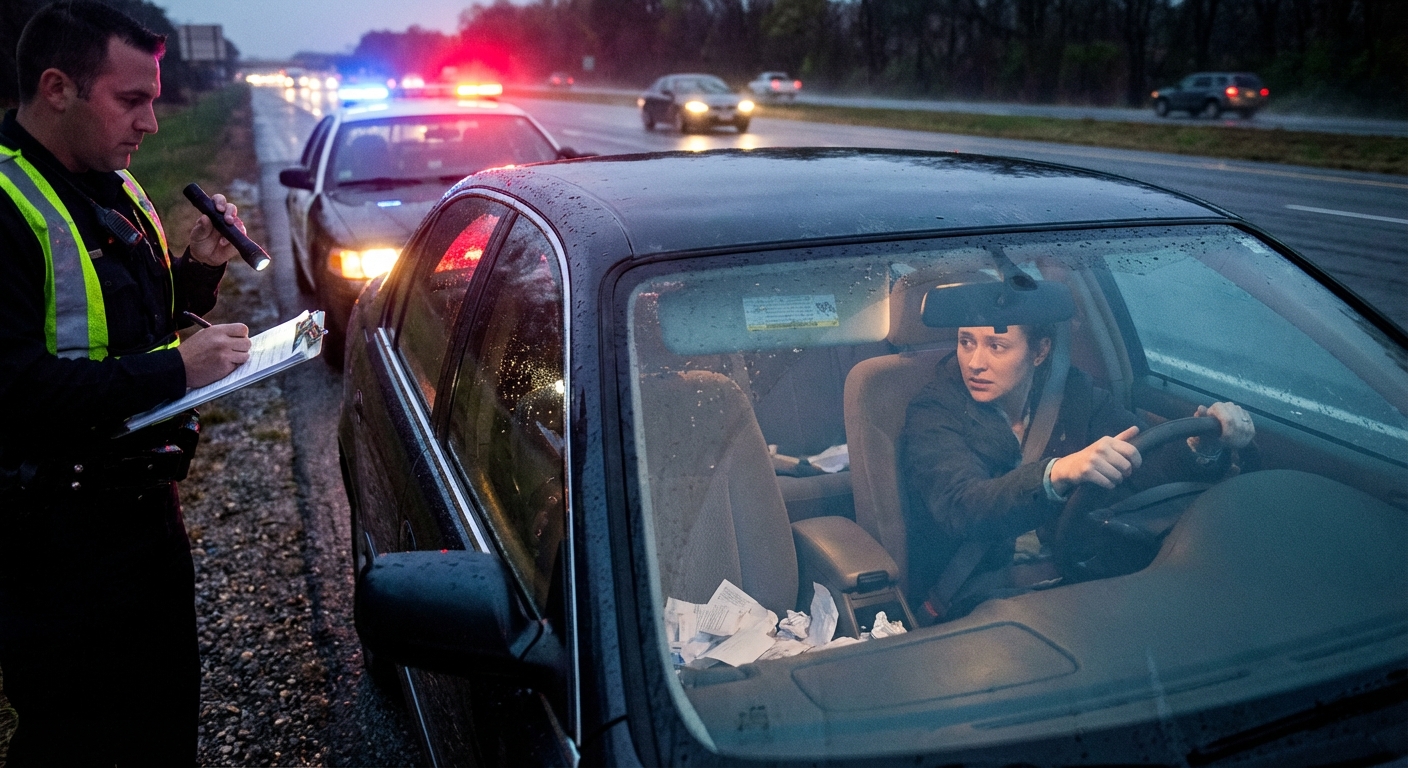
Driving without insurance is illegal in 49 out of 50 states, yet according to the Insurance Research Council, 15.4% of U.S. motorists were uninsured in 2023 — a steady rise from 12.4% in 2017. That means roughly 1 in 6 drivers on the road carries no coverage at all. When combining uninsured and underinsured motorists, that figure climbs to 1 in 3 drivers (33.4%). The consequences of getting caught range from steep fines and license suspension to vehicle impoundment, SR-22 requirements, and even jail time for repeat offenders. And if you're involved in an accident without coverage, the financial fallout can be catastrophic.
Understanding the full scope of driving without insurance penalties is one of the most important steps you can take to protect your finances and your driving privileges. This guide breaks down the penalties by state, what happens when you cause or are involved in an accident uninsured, and the long-term damage an uninsured violation leaves on your record and your wallet. You can also review state-mandated car insurance requirements to understand exactly what coverage you need to stay legal.

Compare Car Insurance Rates in Ohio
See if you qualify for a lower rate in less than 2 minutes
Penalties for Driving Without Insurance by State
Penalties vary dramatically from one state to the next, but virtually every state imposes some combination of fines, license suspension, and SR-22 filing requirements. Here's a breakdown of what you're facing:
Fine Ranges Across the U.S.
Fines for a first offense can range from as little as $50 in North Carolina to as much as $5,000 in West Virginia and Massachusetts. Here's a snapshot of how different states compare:
| State | First Offense Fine | License Suspension | Jail Time Possible? |
|---|---|---|---|
| California | $100–$200 | Up to 4 years (repeat) | No (first offense) |
| North Carolina | $50 | 30 days | No |
| Washington | Up to $250 | Yes | No |
| Tennessee | Up to $300 | Yes | Yes (varies) |
| Texas | $175–$350 | Yes | Up to 90 days (repeat) |
| New Jersey | $300–$1,000 | Yes | No |
| Nevada | $250–$1,000 | Yes | No |
| Virginia | $600 fee | 180 days | No |
| New York | Up to $1,500 | Yes (1 year revocation) | Up to 15 days |
| Hawaii | $500 + community service | Yes | Yes (repeat) |
| Massachusetts | $500–$5,000 | Yes | Up to 1 year |
| West Virginia | $200–$5,000 | Yes | 15 days–1 year (repeat) |
| Florida | $150–$500 reinstatement fee | Up to 3 years (3rd offense) | No |
| Connecticut | Varies | Yes | Up to 3 months |
First Offense vs. Repeat Offender Penalties
The difference between a first and second offense can be enormous. Most states treat first-time offenders with fines and administrative penalties, but repeat violations often cross into criminal territory.
States like Texas, West Virginia, South Carolina, Arkansas, and North Dakota all allow jail sentences for second and subsequent uninsured driving convictions. In Florida, a third offense triggers a mandatory 3-year license suspension and reinstatement fees up to $500. Massachusetts remains among the strictest states, with fines up to $5,000 and up to one year in jail even for first offenses.
2025–2026 State Law Updates You Need to Know
Several states made significant changes to insurance laws in 2025–2026 that directly affect uninsured drivers:
- California (effective Jan. 1, 2025): Raised minimum liability limits from 15/30/5 to 30/60/15 under SB 1107. Driving without the new minimums still carries fines of $100–$200 for a first offense, but repeat offenders face suspension up to 4 years.
- North Carolina (effective July 1, 2025): Raised minimum limits from 30/60/25 to 50/100/50 — the first update since 1999. North Carolina's new $50,000 property damage minimum is now the highest in the nation. Additionally, the Prayer for Judgment Continued (PJC) lookback period increased from 3 to 5 years, making it harder for uninsured drivers to avoid insurance points.
- Louisiana (effective August 1, 2025): Dramatically updated its "no pay, no play" law. Uninsured drivers are now barred from recovering the first $100,000 of bodily injury damages and $100,000 of property damage in an accident — a massive jump from the prior $15,000/$25,000 thresholds.
- Florida (proposed, not yet enacted): Senate Bill 522 proposes repealing mandatory PIP coverage and transitioning to an at-fault system with mandatory bodily injury liability of $25,000/$50,000. As of April 2026, this bill has not been signed into law. Current Florida requirements remain $10,000 PIP and $10,000 property damage liability. Monitor this closely — if enacted, uninsured Florida drivers will face dramatically greater personal liability exposure.
- Oregon: Shortened its SR-22 filing requirement to just 1 year for uninsured driving convictions (down from 3), effective January 1, 2026.
Understanding the SR-22 Requirement
An SR-22 is not a type of insurance — it's a certificate of financial responsibility that your insurer files with your state's DMV to prove you maintain the minimum required liability coverage. Most states require it for 2 to 3 years following an uninsured driving conviction. Learn everything about SR-22 costs and requirements before your filing deadline.
Florida and Virginia may require an FR-44 instead, which demands even higher coverage limits than a standard SR-22. If your coverage lapses at any point during the SR-22 period, your insurer must file an SR-26 form notifying the DMV, which can trigger an immediate re-suspension of your license — and in some states, restart the entire filing clock. Explore car insurance with a suspended license if your driving privileges have already been affected.
Note: Several states — including Delaware, Kentucky, New Mexico, New York, North Carolina, Oklahoma, and Pennsylvania — do not require SR-22 filings. However, they impose their own reinstatement processes and penalties that can be equally burdensome. Review state-mandated car insurance legal requirements to understand what your state specifically demands.

Protect your car with Farmers
Average Rate:
Find coverage options that fit your budget.

The insurance savings you expect.
Average Rate:
Enjoy personalized policies, comprehensive coverage & more.

See how much you could save today!
Average Rate:
Drivers who switch their auto insurance and save with State Farm save $764 on average!

Safe Drivers Save with Allstate®
Average Rate:
Get rewarded with savings for having a clean driving record.
What Happens If You Have an Accident Without Insurance
Getting caught during a routine traffic stop is painful enough — but being involved in an accident without insurance is a financial disaster waiting to happen.
You Are Personally Liable for All Damages
Without insurance, you are personally responsible for every dollar of damage and injury you cause to others. This includes:
- Vehicle repair or replacement costs for the other party
- Medical bills, hospitalization, and rehabilitation for injured parties
- Lost wages for anyone unable to work due to injuries you caused
- Legal defense costs, which alone can run $10,000–$20,000+
- Pain and suffering damages in a lawsuit
A seemingly minor rear-end collision can snowball into a six-figure judgment. Vehicle damage, medical bills, lost wages, and legal fees can combine to reach $100,000 or more — all coming directly out of your pocket. With average new car prices near $50,000 and medical costs continuing to rise, the personal exposure is greater than ever.
Wage Garnishment, Asset Seizure, and Liens
If a court rules against you and you can't pay the judgment, creditors can pursue:
- Wage garnishment — a portion of every paycheck intercepted
- Bank account levies — funds seized directly from your accounts
- Property liens — a legal claim against your home or other assets
- Bankruptcy in the most extreme cases
Even if the accident wasn't your fault, being uninsured puts you at a severe disadvantage. Under Florida's current no-fault system, uninsured drivers lose access to Personal Injury Protection (PIP) benefits for their own medical costs and lost wages — while still facing fines, fees, and suspension. Learn more about how car insurance requirements differ by state — especially no-fault vs. tort rules — to understand just how exposed you are without coverage.
If you want to protect yourself from uninsured drivers on the road, consider reading our complete guide to what happens without car insurance and whether you have proper uninsured motorist coverage. Understanding car insurance requirements by state — especially no-fault vs. tort rules — is critical to knowing just how exposed you are without coverage.
Long-Term Impact on Your Driving Record and Insurance Costs
The financial pain of driving without insurance doesn't end with the initial fine. The consequences ripple outward for years.
How Your Insurance Rates Are Affected
An uninsured driving conviction places you in the high-risk driver category in the eyes of insurers. The national full-coverage average sits at approximately $2,144 per year in 2025 and is projected at $2,158 in 2026. High-risk SR-22 drivers pay substantially more — averaging $150–$467/month ($1,800–$5,600 annually) depending on their state, insurer, and violation history — often 30–60%+ above standard rates for the full duration of their high-risk period.
In North Carolina, the Prayer for Judgment Continued lookback period was extended to 5 years (up from 3) for convictions on or after July 1, 2025 — making it harder than ever to avoid insurance points after an uninsured driving offense in that state. In extreme cases, you may be placed in your state's assigned risk auto insurance pool, which typically carries the highest rates of all.
Proof of Insurance Requirements
All 50 states require drivers to carry proof of insurance while operating a vehicle. As of 2026, 49 states and Washington D.C. accept digital proof of insurance via a smartphone app or downloaded PDF. New Mexico remains the one state that has not explicitly authorized electronic proof, meaning drivers there should keep a physical copy in their vehicle. Learn more about proof of insurance options, including how to access a digital insurance card today.
With electronic verification systems now operating in at least 19 states — and more in development — the risk of being caught without coverage has never been higher. Your vehicle registration can also be suspended in many states if your insurer reports a coverage lapse to the DMV, resulting in compounding penalties.
If you're struggling to afford coverage, minimum liability coverage averages just $68/month nationally, a fraction of what a single uninsured violation could cost you. Compare car insurance rates by state to find where your state falls and identify savings opportunities.
Frequently Asked Questions
What is the penalty for no car insurance on a first offense?
First-offense penalties vary widely by state but typically include a fine ranging from $50 to $1,000 or more, a temporary license suspension, and an SR-22 filing requirement for 2 to 3 years. Some states also allow vehicle impoundment at the officer's discretion. Jail time is rare for first offenses but is technically possible in stricter states like Massachusetts, which allows up to one year in jail and a $5,000 fine even for a first violation. California's first-offense fines are relatively modest at $100–$200, but repeat offenders can face suspension up to 4 years.
Can you go to jail for driving without insurance?
Yes, jail time is possible in many states — particularly for repeat offenses. States like Texas (up to 90 days for repeats), West Virginia (up to 1 year for repeats), Massachusetts (up to 1 year even for first offenses), Connecticut (up to 3 months), and Arkansas all authorize incarceration for uninsured driving violations. First-time offenders rarely face jail in most states, but second and third convictions can cross into criminal misdemeanor territory. Always check your specific state's laws, as penalties are updated regularly.
What happens if someone with no insurance hits me?
If an uninsured driver hits you, you can file a claim under your own Uninsured Motorist (UM) coverage, if you have it. Without UM coverage, you would need to sue the at-fault driver directly — a long process with uncertain recovery, especially if the driver has limited assets. This is one of the strongest arguments for carrying uninsured motorist protection, particularly given that roughly 1 in 6 drivers on U.S. roads is currently uninsured, and the combined uninsured and underinsured rate reached 33.4% in 2023. Learn more about what happens if you don't have car insurance and how UM coverage protects you.
How long does driving without insurance stay on your record?
An uninsured driving conviction typically remains on your driving record for 3 to 5 years, depending on the state. North Carolina extended its Prayer for Judgment Continued lookback period to 5 years for major violations effective July 1, 2025, making it harder to avoid insurance surcharges. During that time, it can impact your insurance rates, and if an SR-22 is required, it must be maintained throughout the full filing period. Any lapse in coverage during that window can restart the clock and result in re-suspension of your license.
How much does car insurance go up after driving without insurance?
Insurance premiums can increase substantially after an uninsured driving conviction, often placing you in the high-risk category. The national full-coverage average is approximately $2,144–$2,158 per year in 2025–2026, but high-risk SR-22 drivers pay an average of $150–$467/month ($1,800–$5,600 annually) depending on their insurer, state, and violation history. On top of that, SR-22 filing fees of $15–$60 and reduced insurer options push costs even higher. The total multi-year financial cost — fines, fees, surcharges, and elevated premiums — can easily reach several thousand dollars, far exceeding what maintaining even basic liability coverage would have cost.