
Compare Home Insurance Plans in Ohio
Find your best options in less than 2 minutes


The General Rule: Removal Is on You, Damage Might Be Covered
Homeowners insurance is designed to pay for sudden and accidental losses like a kitchen fire, a windstorm, or a burst pipe. Wildlife problems almost never fit that definition. Insurers view an animal moving into your home as something that developed gradually and could have been prevented with normal upkeep, so pest infestations are viewed as maintenance issues that homeowners are expected to prevent through regular inspections and sealing entry points.
That leads to a simple two-part rule that governs almost every claim involving critters:
- The removal service itself is not covered. Trapping, exclusion, cleanup, and prevention are your responsibility.
- Resulting damage may be covered, but only in narrow circumstances tied to specific animals and sudden events.
Standard HO-3 policy language, drafted by the Insurance Services Office (ISO), specifically excludes loss caused by "birds, vermin, rodents, or insects." That single sentence is the reason most wildlife claims get denied before an adjuster even visits.

Compare Home Insurance Plans in Ohio
Find your best options in less than 2 minutes
Coverage by Animal: Bats, Bees, Wasps, Raccoons, Squirrels & Birds
Not every animal is treated the same way. Insurers separate creatures into three buckets: rodents/vermin (almost never covered), insects and birds (never covered), and larger wildlife (sometimes covered for sudden damage). Here's how the most common intruders shake out.
Bats
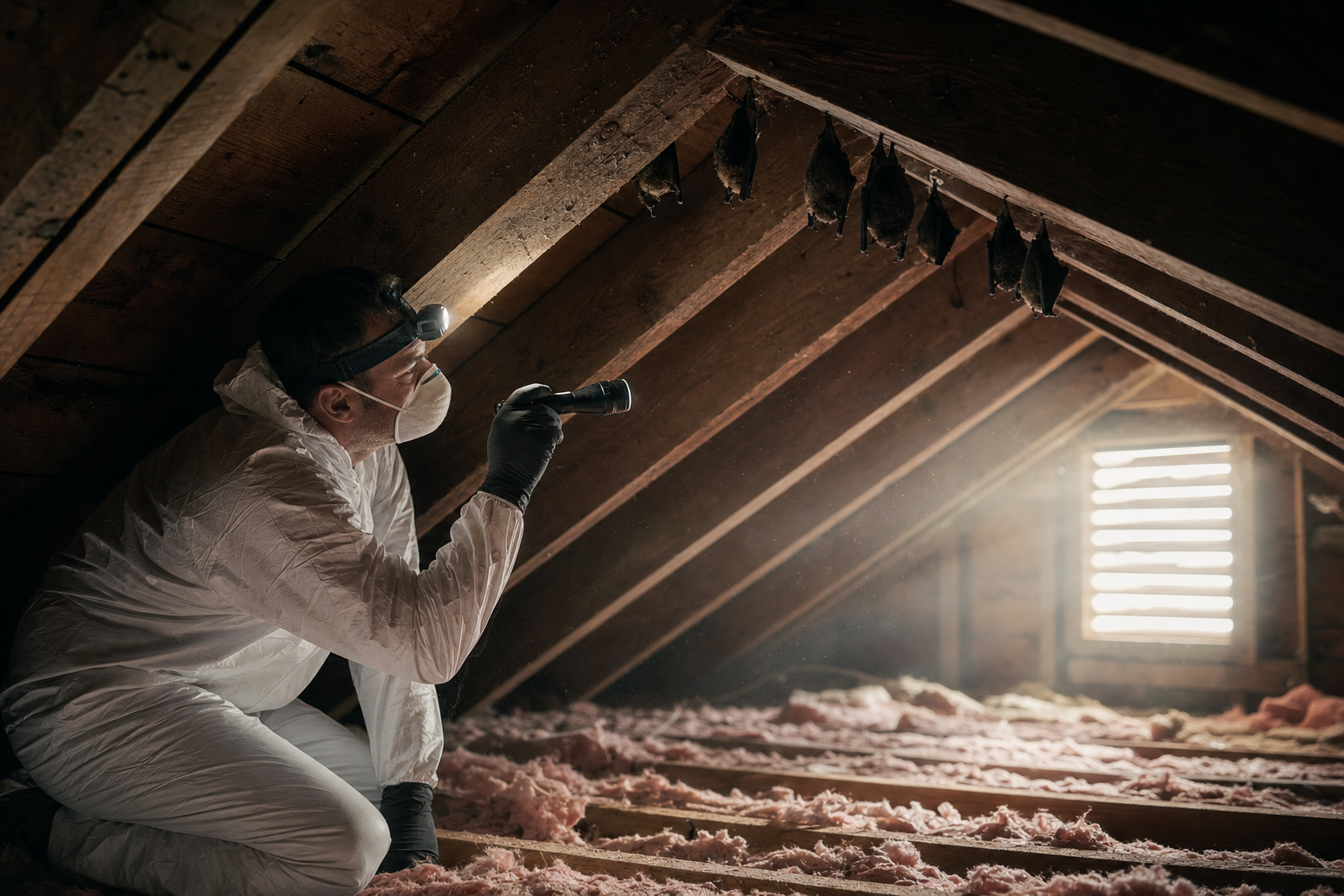
Bats are usually classified as pests or vermin, and most policies explicitly exclude bat removal and cleanup. Some carriers list bats among excluded pests by name. Even when a colony causes real structural harm from guano weight or contaminated insulation, the removal, exclusion, and remediation costs typically fall on the homeowner.
Bees and Wasps
Insects are one of the four categories that standard HO-3 policies expressly exclude. Homeowners insurance will not cover bee removal, wasp nest removal, or damage from a hive built inside a wall cavity. The fallback exclusion for "nesting or infestation" also blocks most creative claim attempts.
Raccoons
Raccoons live in a gray zone. Some insurers classify them as vermin (excluded), while others treat them as larger wildlife. A minority of policies cover sudden structural damage such as a raccoon tearing through a soffit or ripping open a roof vent, under dwelling coverage. But raccoon removal itself is almost universally denied. Note that fewer insurers cover raccoon damage today than a few years ago, and it can cost homeowners thousands.
Squirrels
Squirrels are rodents, and the HO-3 exclusion for "birds, vermin, rodents, or insects" applies directly. That means both squirrel damage and squirrel removal are almost always excluded. A rare policy might cover sudden, accidental squirrel damage, but this cuts against typical policy language and is often denied.
Birds
Birds are explicitly named in the standard exclusion. Bird nest removal, damage from droppings, and repairs from nesting inside vents or chimneys are all out. If a woodpecker drills into your siding, you'll pay for the repair yourself.

Protect your home with State Farm
Average Rate:
Homeowners who bundle and save with State Farm save an average of $1,000 per year!
You're in Good Hands® with Allstate
Average Rate:
Get comprehensive home coverage with flexible policy options.

Customize your home coverage
Average Rate:
Only pay for the coverage you need with personalized home insurance.
Smart coverage for your home
Average Rate:
Protect what matters most with award-winning home insurance.
Why Removal Is Treated as Maintenance
The maintenance argument isn't arbitrary. Insurers point to four reasons wildlife and pest problems are considered your responsibility:
- Infestations develop over time. By the time you notice bats in the attic or a beehive in the wall, the animals have usually been there for weeks or months. That fails the "sudden and accidental" test at the heart of most policies.
- Prevention is possible. Sealing entry points, screening vents, trimming branches, and scheduling annual inspections can dramatically reduce risk. Insurers argue these are basic ownership tasks.
- Losses would be widespread and recurring. If policies paid for every pest call, premiums would spike for everyone.
- The damage is often gradual. Chewed wiring, urine-soaked insulation, and slow structural decay don't look like a single covered event.
Pest damage is considered avoidable, so insurers rarely pay for extermination or repair, even when the underlying damage is significant.
When Structural Damage May Actually Be Covered
There's a meaningful exception buried in most policies: ensuing loss from a covered peril. If wildlife activity triggers a separate covered event, the resulting damage may be paid even though the animal itself was excluded.
The classic example is a rodent chewing through wiring that starts a fire. The wiring damage itself is excluded, but the fire damage to your dwelling and contents is typically covered because fire is a named peril. The same logic can apply to sudden water damage after an animal chews a pipe, so long as the leak is sudden rather than gradual.
Larger wild animals are more likely to trigger direct coverage:
- A deer crashing through a glass patio door is sudden and accidental. The resulting structural damage to your home is generally covered.
- A bear breaking through a door or ripping off siding is treated as a sudden covered event.
- A raccoon tearing open a soffit may qualify for dwelling coverage in some states, particularly where courts have ruled raccoons are not "vermin" under policy language.
Personal property damaged by wildlife (chewed furniture, ruined stored items) is almost never covered, regardless of the animal.
Endorsements That Expand Wildlife Coverage
A handful of insurers offer optional endorsements or riders that expand coverage for animal-related damage. These aren't standard, and availability varies dramatically by state and carrier, but they're worth asking about if wildlife is a real concern in your area.
Ask your agent specifically about:
- Animal damage endorsements that broaden the definition of covered wildlife beyond the standard "sudden and accidental" wording.
- Service line coverage, which can pay for chewed utility lines running to your home.
- Equipment breakdown coverage, which sometimes picks up appliance damage from rodent-chewed wiring.
- Higher debris removal limits, useful when guano or nesting material cleanup is expensive.
None of these typically cover the removal service itself. They exist to fill the damage gap, not to replace calling a pest control company. For a broader look at policy gaps, review our guide to common home insurance exclusions to see what else standard coverage leaves out.
Average Wildlife Removal Costs in 2026
Because you're almost certainly paying out of pocket, it helps to know what professional wildlife removal actually costs in 2026.
| Animal | Typical Cost Range | Notes |
|---|---|---|
| Bats (small colony) | $400 - $600 | Large colonies with guano cleanup: $1,500 - $8,000+ |
| Raccoons | $300 - $600 | Higher with attic damage or multiple entry points |
| Squirrels | $250 - $500 | Includes trapping and basic exclusion |
| Bees / Wasps | $150 - $400 | Higher for in-wall hives requiring drywall work |
| Birds / Nest removal | $150 - $350 | Vent screening and cleanup extra |
| General animal removal (any) | $233 - $805 | National average around $433 |
Bat exclusion is often the most expensive because of guano remediation, sealing multiple entry points, and disposing of contaminated insulation. Large colony jobs can climb into the multiple thousands, and regional prices vary. West Coast and Northeast markets tend to run $500 to $2,000 higher than the national average.
Pest Control Service Contracts as an Alternative
Instead of relying on insurance, many homeowners use annual pest control service contracts. These are prepaid plans covering routine treatment, monitoring, and often minor wildlife response. A typical U.S. residential general-pest annual plan in 2026 runs about $500 to $800 per year, usually structured as an initial visit ($100 to $250) plus quarterly or bi-monthly maintenance ($100 to $150 per visit).
Termite bonds, which are separate contracts specifically for termite prevention and re-treatment, cost roughly $150 to $700 per year and are worth looking into if you own an older home. For a deeper dive into that specific exclusion, see our article on why home insurance doesn't cover termites.
For rodent-specific claims and repairs, our detailed breakdown of rodent damage coverage explains the vermin exclusion, ensuing loss rules, and repair costs that can run $3,000 to $15,000 for serious attic damage.
When to Call Your Insurance Company vs. Pay Out of Pocket
The wrong claim can raise your premium or count against you at renewal without ever producing a payout. Use this framework before you dial your carrier:
Handle it out of pocket when:
- You just need removal, trapping, or exclusion work done.
- The damage is limited to insulation, droppings cleanup, or minor chewing.
- Total cost is less than or close to your deductible (usually $1,000 to $2,500).
- The animal is a rodent, bird, or insect (nearly always excluded).
Call your insurer when:
- A large wild animal caused sudden structural damage (deer through a door, bear through siding).
- Wildlife activity triggered a fire, flood, or other named peril.
- Repair estimates significantly exceed your deductible.
- There's water damage from a chewed pipe that happened suddenly.
Before filing, review your policy's exclusions section for wording around "birds, vermin, rodents, insects" and "nesting or infestation." That will tell you almost immediately whether a claim is viable. If you're shopping for a new policy, our overview of what home insurance actually covers can help you compare carriers on the exclusions that matter most.
Frequently Asked Questions
Does home insurance ever pay for bat removal?
No, standard homeowners policies do not pay for bat removal, exclusion, or guano cleanup. Insurers classify bats as pests or vermin and treat the infestation as a maintenance issue. In rare cases, damage caused during professional removal (like accidental drywall damage) might be covered if it's sudden and accidental, but the removal service itself is your responsibility.
Will my insurance cover damage from a beehive inside my wall?
Almost certainly not. Bees and other insects are one of the four categories explicitly excluded in standard HO-3 policies. The fallback exclusion for "nesting or infestation" also blocks these claims. You'll pay out of pocket for the removal, hive extraction, drywall repair, and honey cleanup, which together can run $500 to $2,500.
Is raccoon damage covered by homeowners insurance?
Sometimes. Raccoons occupy a gray area since they aren't clearly rodents, birds, or insects. Some insurers treat sudden, accidental structural damage (like a raccoon tearing through a soffit) as covered under dwelling protection, while others classify raccoons as vermin and deny the claim. Removal costs are almost never covered regardless of the carrier.
Are there any endorsements that cover wildlife removal itself?
Very few. Most animal-damage endorsements broaden coverage for structural damage caused by wildlife, not for the removal service. Service line, equipment breakdown, and higher debris removal limits can help with ensuing costs but won't reimburse trapping or exclusion work. Ask your agent in writing what's covered before you assume anything.
Should I file a claim for a $600 squirrel removal bill?
Generally no. Squirrels are rodents and almost always excluded, so the claim would likely be denied. Even if a small amount were approved, $600 is often below or close to your deductible, and filing a claim can affect your premium at renewal. Pay out of pocket and consider a pest control service contract if you have recurring issues.