
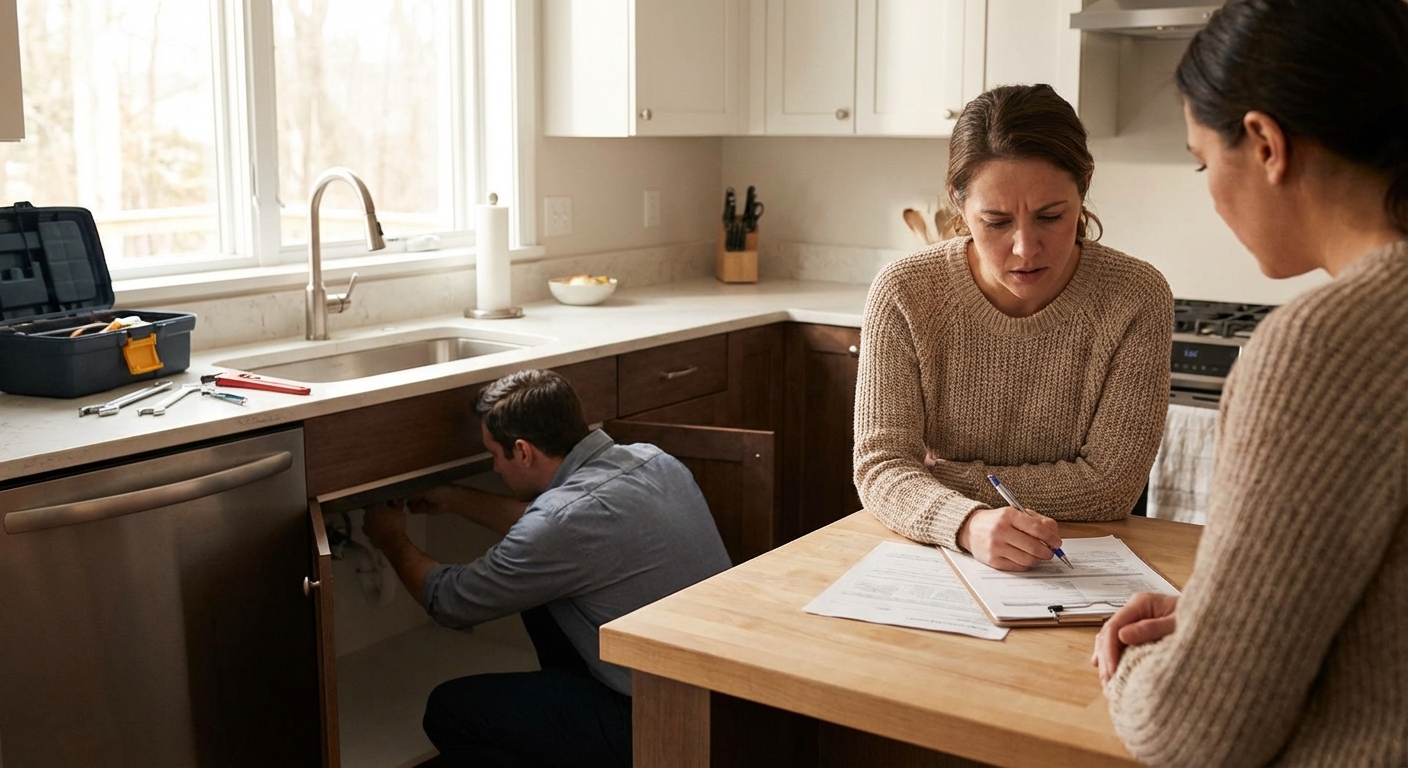
What Does Plumbing Actually Cost? Know Before You Finance
Before choosing a financing option, it helps to understand exactly how much you might need to borrow. Plumbing projects range from a few hundred dollars to well over $15,000, and knowing the ballpark for your repair keeps you from over-borrowing or under-planning.
| Plumbing Project | Typical 2026 Cost Range |
|---|---|
| Water Heater Repair | $150 to $700 |
| Water Heater Replacement (Tank) | $1,000 to $2,500 |
| Water Heater Replacement (Tankless) | $2,500 to $5,000 |
| Burst Pipe Repair | $400 to $2,000+ |
| Sewer Main Line Repair | $1,500 to $4,000 |
| Sewer Line Replacement | $3,500 to $12,000+ (national average around $7,500 to $8,000) |
| Slab Leak Repair | $1,500 to $4,500 |
| Full House Repiping | $6,000 to $15,000+ |
| Main Water Line Repair | $600 to $4,500 |
If your project falls on the higher end of these ranges, paying out of pocket may not be realistic for most households, and that's exactly where plumbing financing options come into play. For a deeper look at what drives these prices, check out our plumbing service cost guide before requesting quotes.

Find Trusted & Licensed Plumbers in Ohio
Get matched with companies for your specific needs
The 5 Main Plumbing Financing Options Compared
Understanding your options side by side makes it much easier to choose. Here's a breakdown of each major plumbing financing method, including current 2026 interest rates and who each one works best for.
1. Personal Loans
Personal loans are one of the most flexible plumbing repair financing options available. They're unsecured (meaning no collateral) and can be funded as quickly as the same day through online lenders like LightStream, Upstart, SoFi, or Upgrade. According to the Federal Reserve, the overall average personal loan interest rate sits at roughly 11.40% in early 2026, though real-world offers for good-credit borrowers on marketplace platforms average closer to 19% APR.
- Typical APR range: 6% to 36% depending on credit score
- Good credit (690 to 719) average APR: Around 19% based on pre-qualified offer data
- Bad credit (below 630) average APR: Around 26% to 32%+
- Loan amounts: Up to $100,000
- Approval time: Same day to 3 days
- Credit score needed: 610 to 640 minimum for most lenders
2. Home Equity Loans and HELOCs
If you've built equity in your home, a home equity loan or Home Equity Line of Credit (HELOC) can offer the lowest interest rates of any financing option. These are secured loans backed by your property, which is why rates are lower, but there's real risk involved. As of late July 2026, home equity loans average 8.08% nationally per Bankrate's survey, while HELOCs average around 7.23% based on Curinos data.
- Typical APR: 5.65% to 10.75% for home equity loans
- HELOC APR: Around 7.23% average, with introductory rates as low as 2.49% at some credit unions
- Best for: Large projects ($10,000+) like whole-house repiping or sewer replacement
- Approval time: 2 to 6 weeks
- Risk: Defaulting can result in foreclosure
3. Contractor Financing Programs
Many licensed plumbing companies partner with third-party lenders like Wisetack, GreenSky, Service Finance, or GoodLeap to offer on-the-spot financing. These programs are especially popular for emergency repairs, since approval can happen in seconds via a soft credit check. In mid-2026, Wisetack raised its maximum financing limit to $65,000 through a LendingClub partnership and introduced new 7- and 10-year terms starting at 9.9% APR for eligible borrowers.
- Typical APR: 0% promotional (3 to 24 months), then 9.9% to 35.9%
- Loan limits: Up to $25,000 standard (Wisetack), up to $65,000 (Wisetack expanded, GreenSky), up to $100,000 (Service Finance)
- Best for: Convenience and urgency
- Approval time: Seconds to same day
- Watch out for: Deferred interest, where unpaid balances at the end of a promo period get charged interest retroactively (Wisetack does not use deferred interest, but many other contractor plans do)
4. Credit Cards
For smaller plumbing jobs or homeowners with a 0% APR introductory card, credit cards can be a fast, low-cost option if you pay the balance off before the promo ends. With the average credit card APR on accounts assessed interest now around 21.52% (Federal Reserve data), and average APRs on new card offers running closer to 23.79%, carrying a balance gets expensive fast.
- Typical APR: 21% to 29%+ after any intro period
- Best for: Repairs under $2,000 when you can pay off quickly
- Approval time: Instant if you already have the card
- Rewards: Some cards offer cashback or travel points, adding extra value
5. Plumbing Payment Plans (In-House)
Some contractors offer their own in-house payment plans, allowing you to pay for the job in installments directly to the plumbing company with no lender involved.
- Typical APR: 0% to minimal interest in many cases
- Best for: Existing customers or repeat clients with good contractor relationships
- Down payment: Often required (10% to 25%)
- Availability: Varies significantly by contractor
When to Finance vs. When to Pay Cash
Financing isn't always the right choice, but neither is draining your emergency fund for a repair. Here's how to think through the decision.
Finance Your Plumbing When:
- The repair is urgent. Delaying a burst pipe repair or sewer line failure to save up cash can lead to water damage, mold, and structural issues that cost far more to fix. If you're dealing with a true emergency, check our emergency plumber cost guide to understand what you're looking at.
- You can get 0% interest. If a contractor offers a 0% promo period and you can pay off the balance before it ends, financing costs you nothing extra.
- The project is large and planned. Full repiping or sewer replacement can cost $10,000+. A home equity loan at around 8% APR is often smarter than depleting savings.
- The upgrade pays for itself. Energy-efficient water heaters and water-saving fixtures can reduce utility bills enough to partially offset financing costs over time.
Pay Cash When:
- The job costs less than $1,000 and you have savings available
- You can't qualify for a low interest rate (financing becomes very expensive)
- The repair is non-urgent and you can save up in 30 to 60 days
- You're already carrying significant credit card debt
Emergency Plumbing Financing: Fast Options When You Need Help Now
Burst pipes, sewage backups, and sudden water heater failures can't wait. The good news is that several plumbing financing options are designed specifically for same-day approval.
Best Emergency Financing Options
1. Contractor-Offered Financing (Fastest) Plumbing companies that partner with lenders like Wisetack, GreenSky, or Service Finance can prequalify you in seconds with no hard credit inquiry, before the tech even finishes the diagnosis. Wisetack offers loans from $500 up to $25,000 (or up to $65,000 for qualified customers through its LendingClub partnership) with APRs ranging from 0% to 35.9%, and contractors typically get paid within 1 to 3 business days after job completion. GreenSky and Service Finance go up to $100,000 for larger home improvement work. Approval doesn't require perfect credit, and funds cover the repair directly.
2. Personal Loans from Online Lenders Platforms like SoFi, Upstart, and LightStream let you compare multiple lender offers in minutes. Same-day funding is possible with many lenders if you apply in the morning. These work for both good and bad credit borrowers, though rates climb quickly for lower scores.
3. Existing Credit Cards If you already have an open credit card with available limit, it's your fastest tool in an emergency. Just be aware of the high ongoing APR (now averaging 21.52% on accounts carrying a balance) if you don't pay it off quickly.
What about plumbing financing with bad credit? You're not out of options. Many contractor financing programs work with credit scores starting around 540 to 580 (Wisetack accepts scores around 540 to 550, GreenSky around 600). Personal loan lenders like Upstart consider income and banking history alongside credit score. You may pay a higher rate (averaging 26% to 32% for bad credit borrowers, with many approved loans landing in the 32% to 36% range), but approval is often still possible. Learning when to call an emergency plumber first can help you decide how much you actually need to finance.
How to Compare Offers and Avoid Predatory Lending
Not all financing offers are created equal, and some are designed to cost you far more than you realize. Before you sign anything, run through this checklist.
How to Compare Plumbing Financing Offers
| Factor | What to Look For |
|---|---|
| APR (not just interest rate) | APR includes fees, always compare this number across offers |
| Loan term | Shorter equals less total interest paid, but higher monthly payments |
| Origination fees | Some lenders charge 1% to 8% upfront, adding to your total cost |
| Prepayment penalties | Make sure you can pay off early without a fee |
| Deferred interest | Read the fine print on 0% promos, some charge all accrued interest if you miss the payoff window |
| Minimum payments | On deferred-interest plans, minimum payments may not pay off the balance in time |
Red Flags to Watch For
Predatory lenders and unscrupulous contractors sometimes target homeowners facing plumbing emergencies, when you're stressed and need help fast. Here are the warning signs:
- Pressure to sign immediately. Legitimate lenders give you time to review.
- "Guaranteed approval" with no credit check. Real lenders always verify your ability to repay.
- Unusually high rates. Rates above 36% APR should raise serious concerns.
- Contractor insists on a specific lender. You should always be free to finance through whoever you choose.
- Blank spaces in documents. Never sign paperwork with unfilled fields.
- Upfront cash required before work begins. A red flag for contractor scams.
Always verify your plumber is licensed before agreeing to any financing tied to their work. Our guide on how to choose a plumber walks through exactly how to vet a contractor properly.
If your plumbing needs are tied to an aging home, it's also worth considering a plumbing service plan as a proactive way to reduce the size and frequency of unexpected repair bills going forward. Investing in preventive plumbing maintenance is often cheaper than financing emergency repairs down the road, and following an annual plumbing maintenance schedule can help you catch small issues before they turn into big loans.
Frequently Asked Questions
What credit score do I need for plumbing financing in 2026?
Most unsecured personal loans require a minimum credit score of 610 to 640, though some lenders will work with scores as low as 540 to 580 if your income and debt-to-income ratio are favorable. Contractor financing programs through Wisetack (around 540 to 550 minimum) and GreenSky (around 600 minimum) tend to be more flexible than traditional bank loans. If your score is below 580, expect higher interest rates or the need for a co-signer or secured loan. Checking for pre-qualification with a soft credit pull is the best first step since it won't impact your score.
Is 0% interest plumbing financing actually free?
It can be, but only if you read the fine print carefully. Many 0% promotional offers on credit cards and older contractor programs are "deferred interest" plans, meaning interest accrues during the promo period but is waived only if you pay the full balance before the deadline. If you miss that window even by a day, you could be charged all the back-interest at once, often at rates of 26% to 35.9%. Newer platforms like Wisetack advertise no deferred interest and no prepayment penalty on their 0% offers, but always confirm the structure in writing before you sign.
Will financing my plumbing repair cost more than paying cash?
The repair quote itself stays the same regardless of how you pay, as contractors don't typically charge more because you're financing. However, your total out-of-pocket cost does increase when you finance, due to interest charges and any lender fees. For example, a $6,000 repipe financed at a 19% average APR over 3 years would cost roughly $7,910 in total, versus paying $6,000 in cash. That's why minimizing your loan term and interest rate matters, and why a 0% promo plan (paid off on time) is the most cost-effective way to finance.
What are my options for emergency plumbing financing with no time to wait?
Your fastest options are contractor-offered financing (through lenders like Wisetack, GreenSky, or Service Finance, with approvals in seconds), personal loans from online lenders like SoFi or Upstart (same-day funding possible), or an existing credit card with available credit. Of these, contractor financing is the easiest since it happens on-site during the service call and contractors get paid within 1 to 3 business days after the work is done. For bad credit borrowers, contractor programs often have more lenient approval requirements than banks or credit unions. Always get the rate and terms in writing before authorizing any work.
Should I use a home equity loan or personal loan for a major plumbing repair?
It depends on the size of the project and how quickly you need the funds. Home equity loans average 8.08% in 2026, significantly lower than personal loans (which average around 11.40% nationally and closer to 19% for good-credit marketplace offers), and are well-suited for large projects like sewer line replacement or whole-house repiping. However, they take 2 to 6 weeks to process and put your home at risk if you default. Personal loans are faster, require no collateral, and are the better choice for mid-range repairs ($2,000 to $10,000) when you need money in days rather than weeks. For planned, large-scale projects, the lower rate of a home equity loan is usually worth the wait.