
Compare Car Insurance Rates in Ohio
See if you qualify for a lower rate in less than 2 minutes



What Is Temporary Car Insurance?
Temporary car insurance — also called short-term car insurance — provides auto coverage for a brief, defined period rather than the standard six or twelve months. Coverage windows typically range from a single day up to 30 days, and the policy works much like any standard plan: you choose your coverage types (liability, collision, comprehensive), pay for exactly the dates you need, and the protection ends automatically when the term expires.
The key difference from a standard policy isn't what it covers — it's how long it lasts and when it makes sense to use it. Standard six-month policies are designed for vehicles you own and drive regularly. Temporary coverage, by contrast, is designed for non-routine situations where committing to a full policy would cost far more than the short window of driving requires.
Temporary vs. Standard 6-Month Policy: Key Differences
| Feature | Temporary Policy | Standard 6-Month Policy |
|---|---|---|
| Duration | 1 day to ~30 days | 6 to 12 months |
| Availability | Limited; niche providers or workarounds | All major insurers |
| Coverage Types | Liability, sometimes collision/comprehensive | Full range of options |
| Daily Cost | $10–$15/day | ~$7–$11/day (averaged out) |
| Best For | Borrowing, buying, gap coverage | Owned vehicles, regular use |
| Early Cancellation | N/A — policy auto-expires | May incur $0–$50 in fees |

Compare Car Insurance Rates in Ohio
See if you qualify for a lower rate in less than 2 minutes
When Does Temporary Car Insurance Make Sense?
There are several legitimate scenarios where short-term coverage is the right — and often most cost-effective — solution.
Buying a New or Used Car
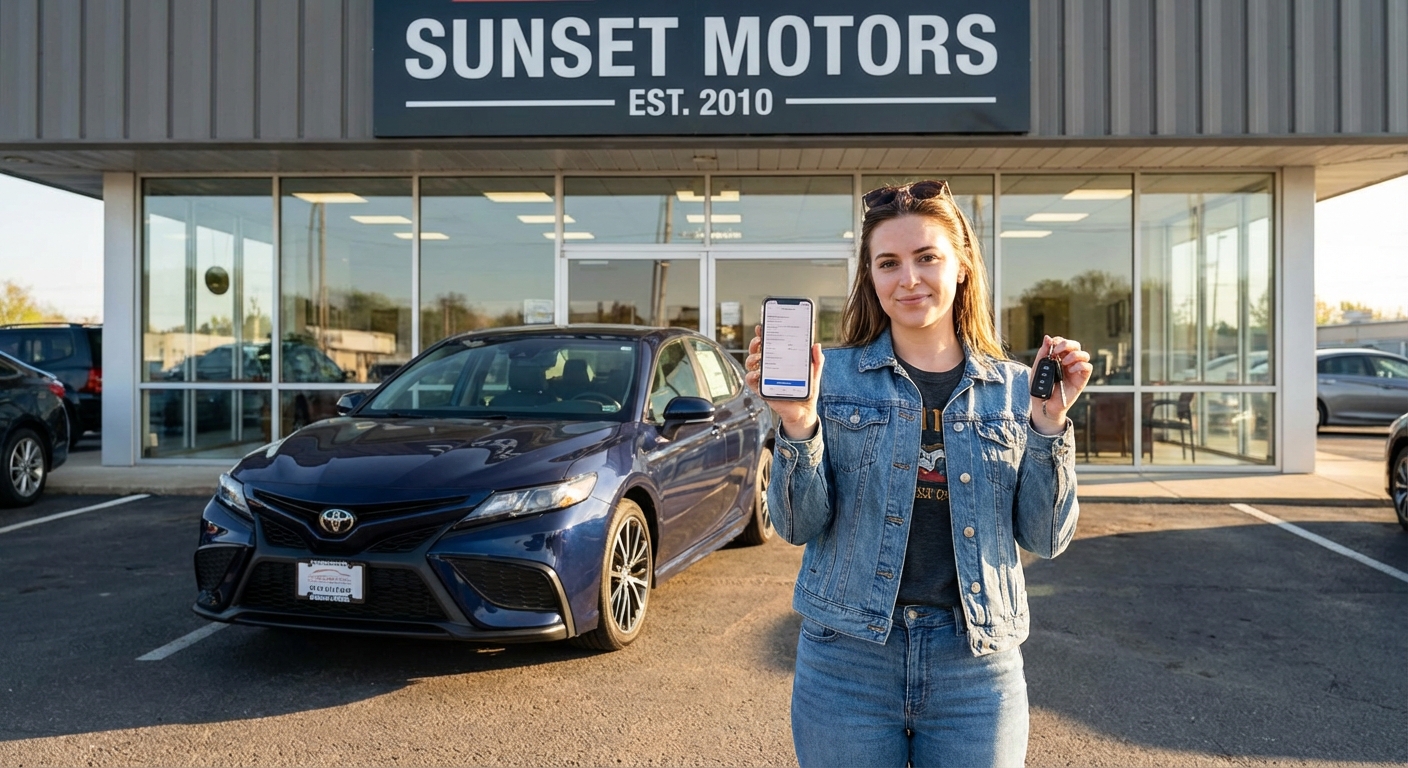
When you purchase a vehicle from a private seller or dealership, you need insurance before you can legally drive it off the lot. Most existing policies offer a grace period of 7 to 30 days for newly acquired vehicles, but this varies by insurer and state. Major insurers like Progressive, GEICO, Allstate, and Nationwide all offer up to 30 days in 2026, while State Farm's grace period varies by state. If your current insurer doesn't extend that grace period, same-day car insurance activation from companies like Progressive, Allstate, or Liberty Mutual becomes valuable. Learn more about exactly what insurance you need when buying a car before you head to the lot.
Borrowing a Vehicle
Borrowing a friend's or family member's car for a few days is a common need. In most cases, the car owner's policy covers permissive-use drivers, but the extent of coverage depends heavily on the policy. If the owner's coverage is minimal or you're borrowing for an extended stretch, getting added as a named driver temporarily (up to 30 days with some insurers) is the safer route.
College Students Returning Home
If your college student only drives during summer or holiday breaks, adding them permanently to your policy could raise your premiums by $1,000 to $2,500 annually. A short-term arrangement — either temporarily adding them to the policy or using a non-owner plan — keeps costs manageable without sacrificing protection.
Other Common Use Cases
- Switching insurance providers and facing a gap in coverage
- Test drives — letting a potential buyer drive your car safely
- Seasonal or classic car use — driving only a few months per year
- Vehicle in storage — maintaining comprehensive/theft coverage without full premiums

Protect your car with Farmers
Average Rate:
Find coverage options that fit your budget.

The insurance savings you expect.
Average Rate:
Enjoy personalized policies, comprehensive coverage & more.

See how much you could save today!
Average Rate:
Drivers who switch their auto insurance and save with State Farm save $764 on average!

Safe Drivers Save with Allstate®
Average Rate:
Get rewarded with savings for having a clean driving record.
How Much Does Temporary Car Insurance Cost?
Short-term coverage carries a higher per-day cost than standard policies — but it can still save you money if your need is genuinely brief. As of 2026, a standard full-coverage policy averages around $2,328–$2,697 nationally per year (approximately $194–$225/month), which works out to roughly $7–$11 per day. At $10–$15/day, temporary insurance can cost more on a per-day basis — but only paying for a week instead of six months can still mean big savings overall. For a detailed breakdown of how annual vs. monthly car insurance costs compare, see our full guide.
Cost Breakdown by Duration
| Duration | Estimated Cost | Coverage Level |
|---|---|---|
| 1 Day | $10 – $15 | Minimum to full |
| 1 Week | $25 – $75 | State minimum |
| 1 Month (minimum) | $68 – $82 | Minimum coverage |
| 1 Month (full coverage) | $125 – $225 | Full coverage |
State plays a major role in pricing. Monthly minimum coverage can cost as little as $60 in low-cost states like Iowa or Maine, but climb to well over $100 in New York, Michigan, or Florida for the same duration. For a full comparison of how 6-month vs. 12-month policy terms affect your costs for regular drivers, check out our full breakdown.
General rule: If you need coverage for more than a few weeks, a standard six-month policy with early cancellation is usually the more economical choice. Early cancellation fees typically run just $0–$50, and you'll receive a prorated refund for unused time.
Where to Get Temporary Car Insurance & Your Best Alternatives
Since true temporary policies are scarce in the U.S., here are your most reliable options — ranked from most flexible to most limited.
1. Start a Standard Policy with Early Cancellation
The most accessible option for most drivers. Buy a standard six-month policy from a major insurer like Erie Insurance, Liberty Mutual, or Nationwide and cancel it early once your short-term need is over. You'll receive a prorated refund for unused time, and early cancellation fees typically range from $0 to $50. This gives you full coverage options, a reputable insurer, and proof of insurance within minutes.
Best for: Buying a car, any situation where you need at least 2–4 weeks of coverage.
2. Non-Owner Car Insurance
Non-owner car insurance is a liability-only policy designed for people who drive but don't own a vehicle. It's one of the most legitimate and affordable short-term solutions available. As of 2026, national averages range from $506–$578 per year (approximately $42–$48/month). Here's how the top providers compare:
| Provider | Annual Cost | Monthly Cost | Notes |
|---|---|---|---|
| Auto-Owners | ~$285 | ~$24 | Available in 26 states |
| USAA | ~$306 | ~$26 | Military members only |
| GEICO | ~$462 | ~$38 | Widely available nationwide |
| Travelers | ~$510 | ~$42 | Strong availability |
| State Farm | ~$517 | ~$43 | Available in most states |
| Progressive | ~$589 | ~$49 | Good for SR-22 needs |
Learn more about who needs a non-owner policy and what it covers.
Best for: Frequent borrowers, people between vehicles, or anyone who needs an SR-22 filing.
3. Hugo — Pay-As-You-Go Insurance
Hugo is one of the few U.S.-based insurers offering genuinely flexible, short-term coverage. You can purchase coverage in increments as short as 3 days at a time, with no down payment, directly through their app. Note that Hugo discontinued its Flex on/off model in March 2025, and now offers its Unlimited Basic plan (liability-focused) with a Full plan in limited availability. Hugo is currently available in approximately 13–16 states, with expansion toward roughly 22 states underway. For a full breakdown of micro-insurance providers, see our guide on on-demand car insurance options and weekly on-demand coverage.
Best for: Infrequent drivers who want to pay only when they're actually behind the wheel.
4. Pay-Per-Mile Insurance
Pay-per-mile insurance charges a base monthly rate plus a small fee per mile driven — typically $0.05 to $0.12 per mile. It's an excellent solution for drivers who use a car occasionally. Top providers as of 2026 include:
| Provider | Availability | Avg. Monthly Cost | Key Feature |
|---|---|---|---|
| Nationwide SmartMiles | 40+ states | ~$87/month | Daily 250-mile cap; best overall |
| Allstate Milewise | ~17 states | $40–$124/month | Daily billing; no behavior tracking |
| Metromile (Lemonade) | Select states | ~$29+/month | Precise app-based tracking |
| Mile Auto | Select states | ~$20–$40/month | Great for very low-mileage drivers |
Low-mileage drivers can save 20–40% compared to traditional policies with these plans. You can also explore subscription-based car insurance for month-to-month options with no annual commitment.
Best for: Low-mileage drivers, retirees, seasonal drivers.
5. Be Added as a Named Driver
If you're borrowing someone else's car for a defined period, the vehicle owner can contact their insurer and add you as a temporary named driver — often for up to 30 days. This is typically free or very low cost and ensures you're explicitly covered under the policy rather than relying on permissive-use clauses.
Best for: Short-term borrowing from a family member or close friend.
6. Rental Car Insurance
If your need is specifically for a rental car, you have several options: purchase coverage at the rental counter (a collision damage waiver), use the rental car coverage on your existing policy, or check whether your credit card provides rental coverage automatically. Make sure to understand how soon your coverage starts so you're never left with a gap.
Frequently Asked Questions
Can I get car insurance for just one day?
True one-day car insurance policies are not available from major U.S. insurers. However, some specialty providers like Hugo offer coverage starting at just 3 days with no down payment. Practically speaking, the best workaround for most drivers is to start a standard policy with same-day activation and cancel it once your need has passed — you'll receive a prorated refund for the unused time. Early cancellation fees are typically just $0–$50.
Does my existing auto insurance cover me when I borrow someone else's car?
In most cases, the vehicle owner's insurance is the primary coverage when you borrow their car — not yours. Your own policy may act as secondary coverage if the owner's limits are exceeded. Always verify with both the vehicle owner and your insurer before assuming you're fully covered, especially for extended borrowing periods.
Is temporary car insurance more expensive than a regular policy?
On a per-day basis, yes — short-term coverage typically costs $10 to $15 per day. For context, a standard full-coverage policy now averages $2,328–$2,697 nationally in 2026 (roughly $7–$11/day). However, if you only need coverage for a few days or weeks, temporary options are more cost-effective than paying for an entire six-month policy you won't fully use.
What happens if I drive without insurance between policies?
Driving without insurance, even briefly, can result in serious consequences: fines ranging from $100 to $5,000 depending on the state and offense, license suspension, vehicle impoundment, and personal financial liability if you're in an accident. A lapse in coverage can also cause your future insurance rates to increase significantly for three to five years. Always make sure there's no gap between your old and new policy effective dates — same-day coverage from major insurers makes this easy to avoid.
Can I get same-day car insurance coverage?
Yes. Several major insurers — including Progressive, Allstate, State Farm, Liberty Mutual, and Nationwide — offer same-day coverage with instant digital proof of insurance. You can typically get a quote, bind a policy, and receive your insurance ID card within minutes online or through a mobile app. This is the fastest way to get legally covered when you need it immediately, whether you're at a dealership or between policies. Digital proof of insurance is now accepted in all 50 states and D.C.