
What Causes Sewer Gas Smell in a House?
That unmistakable rotten-egg odor wafting through your home isn't just unpleasant. It signals a breakdown somewhere in your plumbing's gas-blocking system. Sewer gas is a mixture of hydrogen sulfide (H₂S), methane, ammonia, and carbon dioxide that forms when organic matter decays inside your sewer system. Under normal conditions, your plumbing is specifically engineered to keep those gases outside. When something goes wrong, they find their way in.
Here are the most common culprits in 2026 homes:
Dry P-Traps
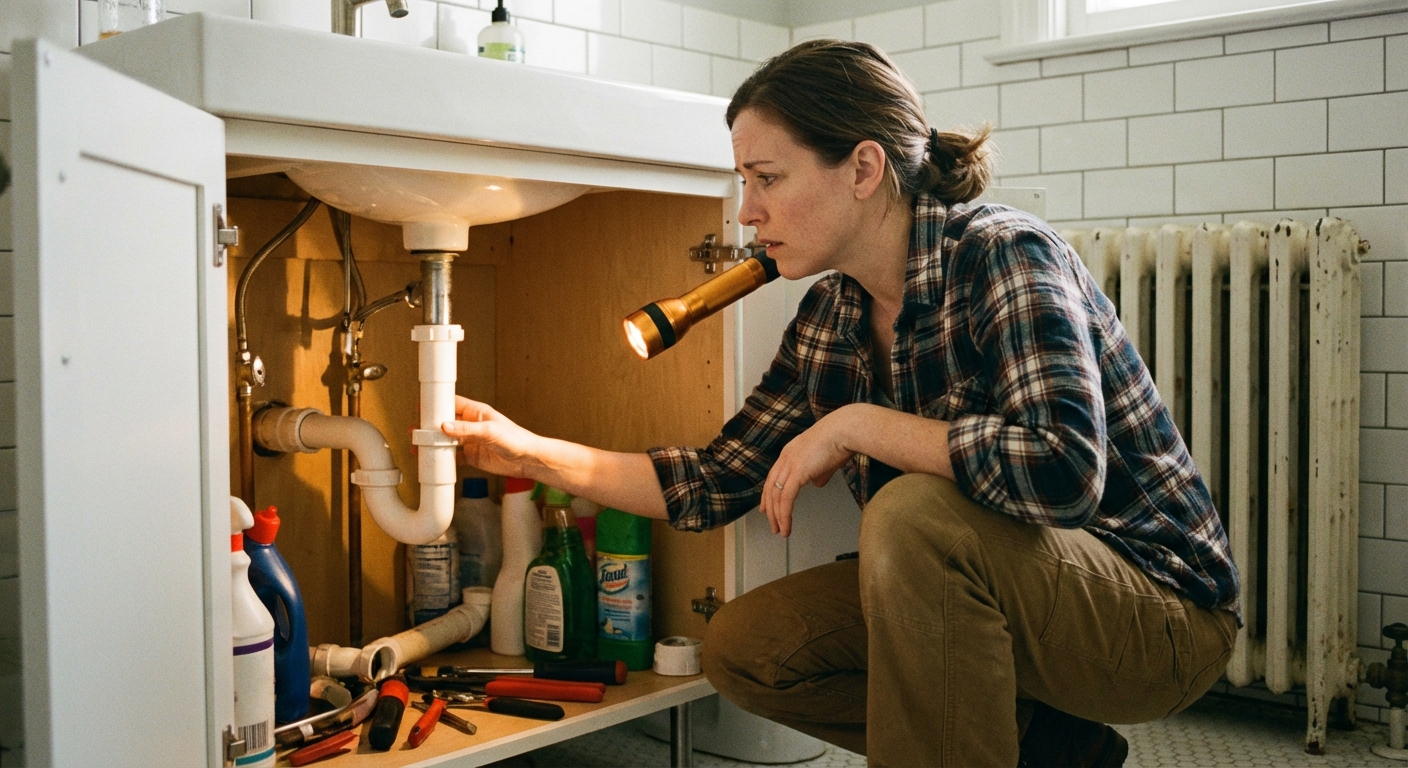
The P-trap is the curved pipe section beneath every sink, shower, tub, and floor drain. It holds a small reservoir of water that physically blocks sewer gas from traveling up through the drain opening. Municipal water utilities and plumbing professionals consistently identify dry traps as the single most common source of sewer gas odor in buildings. When a fixture goes unused for an extended period (a guest bathroom, a basement utility sink, a vacation home), that water evaporates. Once it's gone, there's nothing stopping gases from rising freely into the room.
The fix is simple: run water for 30 to 60 seconds through any drain that hasn't been used recently. The trap refills immediately.
Broken or Deteriorated Wax Ring (Toilet Seal)
Every toilet sits on a wax ring that creates an airtight seal between the toilet base and the floor drain flange. Over time, a shifting toilet, age, or physical damage can compress or crack this seal. When it fails, sewer gas escapes right at the base of the toilet. You may also notice rocking, instability, or water staining around the toilet base. Learn more about broken toilet flange repair if you suspect the underlying flange is also damaged.
Blocked or Damaged Vent Stack
Your home's plumbing system includes vent pipes that run up through the walls and exit through the roof. These vents do two jobs: they release sewer gas safely outside, and they equalize air pressure so drains flow freely. When a vent gets blocked by debris, bird nests, leaves, or ice, or develops a crack, pressure builds up inside the drain system and forces gas back through your fixtures.
Learn more about plumbing vent problems to understand how vent issues can affect your entire drain system, or explore how the plumbing venting system is designed to keep gases out.
Cracked or Corroded Pipes
Sewer lines don't last forever. Cast-iron pipes corrode, PVC joints loosen, and tree roots are notorious for invading underground lines. Any crack or separation in a drain or sewer pipe becomes an escape route for gas, even if the pipe still drains water without apparent backups. These issues often produce an intermittent or localized smell that gets worse after heavy rain. Homes with old plumbing systems built before 1980 are especially prone to this.

Find Trusted & Licensed Plumbers in Ohio
Get matched with companies for your specific needs
Health Risks of Sewer Gas Exposure
Sewer gas isn't just offensive. At certain concentrations, it's genuinely dangerous. The primary toxic component is hydrogen sulfide (H₂S), but methane and ammonia also present serious risks.
Current OSHA and NIOSH Exposure Limits (2026)
While these limits are set for workers, they provide the best reference points available for home safety:
| Standard | Concentration | Notes |
|---|---|---|
| OSHA General Industry Ceiling | 20 ppm | Must not be exceeded at any time |
| OSHA Peak Limit | 50 ppm | Max 10 minutes, once per 8-hour shift, only if no other exposure |
| OSHA Construction 8-hr TWA | 10 ppm | Time-weighted average |
| OSHA Shipyard 8-hr TWA | 10 ppm | Time-weighted average |
| NIOSH REL (10-min ceiling) | 10 ppm | More protective recommendation |
| ACGIH TLV-TWA | 1 ppm | Voluntary industrial hygiene benchmark |
| NIOSH IDLH | 100 ppm | Immediately dangerous to life or health |
There are no OSHA or NIOSH numerical residential limits for H₂S. For home use, health experts recommend keeping H₂S well below 1 ppm and as close to background levels (typically below 0.1 ppm) as possible. Any detectable rotten-egg odor (often noticeable at 0.5 ppm or less) should prompt investigation.
What's Actually in Sewer Gas?
| Gas | Risk Level | Health Effects |
|---|---|---|
| Hydrogen Sulfide (H₂S) | High | Headaches, nausea, eye irritation at low levels; unconsciousness and death at high concentrations |
| Methane (CH₄) | Moderate (flammable) | Non-toxic but displaces oxygen; explosion risk in enclosed spaces |
| Ammonia (NH₃) | Moderate | Throat and respiratory irritation; worsens asthma |
| Carbon Dioxide (CO₂) | Low to Moderate | Contributes to oxygen displacement in enclosed areas |
Symptoms by Exposure Level
Low-level / short-term exposure (below 10 ppm):
- Headaches and dizziness
- Nausea and eye irritation
- Fatigue and drowsiness
- Sore throat or coughing
Chronic / prolonged exposure:
- Persistent respiratory issues
- Neurological symptoms (irritability, memory issues)
- Loss of sense of smell (olfactory fatigue), meaning you may stop detecting the odor even as concentrations rise
- Increased risk of respiratory infections
Children, elderly individuals, pregnant women, and anyone with respiratory conditions such as asthma face heightened risk from even low-level sewer gas exposure.
Identifying the Source: A Room-by-Room Checklist
Pinpointing exactly where the sewer gas smell in your house is coming from saves time and money. Work through this checklist systematically.
Bathroom
- Toilet base: Rock the toilet gently. Any movement suggests a failed wax ring.
- Shower/tub drain: Is it used regularly? If not, the P-trap may be dry.
- Sink overflow drain: Bacteria and biofilm can accumulate in the overflow port and produce odor even when the P-trap is full.
Kitchen
- Under the sink: Check the P-trap visually for cracks, loose connections, or signs of leaks. A small drip can expose pipe joints where gas escapes.
- Dishwasher drain connection: A loose or missing air gap can allow sewer odors to flow back through the connection.
Basement & Laundry Room
- Floor drains: These are the most commonly neglected drains in a home. If yours has a visible P-trap, pour a bucket of water down it. Some floor drains use a backflow prevention device instead; inspect it for debris.
- Utility sink: Used infrequently? Run it for a full minute.
- Ejector pump pit: Basement bathrooms often rely on a sewage ejector pump, and a bad seal or failing check valve can produce persistent odor.
The Whole House (Vent Stack Issue)
If the smell is faint but present throughout multiple rooms, and getting worse after rain, a compromised vent stack is the likely culprit. This is also true if you hear gurgling from toilets or drains when water runs elsewhere in the house. If you're planning any new construction or major remodeling, review plumbing vent stack installation code requirements to ensure your system meets current standards. Some jurisdictions have tightened rules significantly, as covered in our guide to plumbing code compliance and common violations.
DIY Fixes vs. When to Call a Pro
DIY Fixes You Can Do Today
2026 Professional Repair Costs
If DIY fixes don't work, here's what you can expect to pay a licensed plumber this year:
| Service | 2026 Cost Range |
|---|---|
| Toilet wax ring replacement | $150 to $400 |
| Camera (video) sewer inspection | $175 to $400 |
| Smoke test sewer inspection | $250 to $800 |
| Hydro jetting main line | $400 to $800 |
| Basic sewer line repair (small crack or clog) | $1,500 to $3,000 |
| Moderate sewer line repair | $3,000 to $7,000 |
| Partial sewer line replacement (spot repair, 5 to 10 ft) | $1,500 to $4,000 |
| Full sewer line replacement | $5,000 to $15,000+ |
| Tree root removal / repair | $2,500 to $8,000 |
| Sewer line replacement (per linear foot installed) | $60 to $200 |
Full replacement costs vary widely by market. Houston projects typically land in the $2,000 to $10,000 range, while high-cost metros like NYC and Seattle can push $10,000 to $32,000 for open-trench work. Emergency or after-hours service typically adds $100 to $300 on top of standard rates. Common causes of these price hikes are covered in more detail in our guide on common plumbing mistakes homeowners make.
When the Problem Is Serious: Call a Licensed Plumber
Some sewer gas situations go well beyond what a DIY fix can address. Contact a professional plumber if you experience any of the following:
- The smell persists for more than 24 to 48 hours after trying all basic fixes
- Multiple drains are gurgling, slow, or backing up simultaneously
- Sewage is visibly backing up into any fixture or floor drain
- The odor is strongest near exterior walls or in the yard (suggests a main line break)
- You notice soft or discolored flooring near toilet bases (failing wax ring plus water damage)
- The smell intensifies significantly after rain, a classic sign of a cracked underground sewer line
A professional will use camera inspections, smoke testing, and pressure testing to diagnose issues that are completely invisible from the surface. If you're house hunting, our guide to plumbing red flags when buying a home can help you spot potential sewer gas issues before closing.
Home Sewer Gas Detection Technology in 2026
Consumer-grade sewer gas detectors have improved significantly. As of 2026, homeowners have three main categories to choose from:
- Dedicated sewer gas leak detectors like the Forensics Detectors Sewer Gas Leak Detector run under $100 and detect ammonia, methane, and hydrogen sulfide. These remain the best budget-friendly option for homeowners and landlords.
- Multi-gas professional detectors like the Senko MGT include a dedicated H₂S sensor plus CO, methane, and oxygen readings, providing precise ppm concentrations for a more thorough assessment. Ideal if you work in crawlspaces or want continuous personal monitoring.
- Combustible gas detectors that include H₂S like the Ridgid Combustible Gas Detector sense hydrogen sulfide along with a broad list of gases (ammonia, methane, propane, and more), making them a strong all-around tool for serious DIYers.
Be cautious with the "4-in-1 home gas monitors" now widely sold on Amazon, Walmart, and Home Depot. Many prioritize CO and natural gas, so verify the spec sheet explicitly lists hydrogen sulfide before relying on one as an H₂S alarm. Note that dedicated wall-mounted, always-on H₂S alarms comparable to standard CO detectors are still rare in the residential market as of 2026. Portable handheld detection remains the most practical option for most homes.
Preventive Maintenance: Keep Sewer Gas Out for Good
The best sewer gas fix is one you never need. These maintenance habits will protect your home year-round. For a more comprehensive schedule, our annual plumbing maintenance guide walks through every task month by month.
Monthly Habits
- Run water through every drain in the house, including guest baths, basement sinks, and laundry tubs, at least once a month to prevent P-trap evaporation.
- Flush floor drains with a full bucket of water to maintain the water seal.
Seasonal Checks
- Spring: Inspect roof vent caps for winter debris, ice damage, or bird nests that accumulated over cold months.
- Fall: Clear leaves and debris from around vent openings before they freeze in place. See our seasonal plumbing problems guide for a full year-round checklist.
Annual Maintenance
- Inspect toilet wax rings if you notice any rocking or movement at the toilet base.
- Schedule a professional drain cleaning to clear slow-forming buildup in main lines before it becomes a blockage. Learn more in our preventive plumbing maintenance guide.
- Have your vent system inspected if you haven't in several years, especially in older homes with cast-iron or clay sewer pipes.
Quick Reference: Sewer Smell After Rain
A sewer smell after rain has a specific cause: rainfall raises the groundwater table and increases pressure in municipal sewer lines, which can push gases back up through your home's plumbing. It can also indicate a crack in your underground sewer lateral that allows soil-saturated water and its gases to enter the pipe. If the post-rain smell is recurring, a professional camera inspection of your sewer lateral is strongly recommended.
Frequently Asked Questions
Why does my house smell like sewer but only sometimes?
An intermittent sewer smell is usually tied to a partial problem rather than a complete failure. Fluctuating air pressure from wind or HVAC changes can push gas past a worn seal that isn't fully broken. It can also indicate a vent pipe that's partially blocked, letting odors through under certain conditions (like after heavy rain or during temperature swings) but not others. Start by checking all P-traps and the toilet wax ring in the affected area; if the smell is truly random and widespread, a professional smoke test is the most reliable next step.
Is sewer gas dangerous to breathe in my home?
At the low levels typically found in residential settings, sewer gas usually causes symptoms like headaches, nausea, and eye irritation rather than immediate life-threatening harm. However, the danger is real: hydrogen sulfide impairs your sense of smell at concentrations around 100 ppm, meaning you may stop noticing the odor even as levels rise to dangerous thresholds. Prolonged low-level exposure can cause chronic respiratory and neurological issues, and OSHA sets a strict 20 ppm ceiling for worker exposure. Never dismiss a persistent sewer gas smell as merely cosmetic.
Why does my bathroom smell like sewer even after cleaning?
If cleaning eliminates typical bathroom odors but a sulfur or rotten egg smell remains, the source is almost certainly plumbing-related rather than surface bacteria. The most common culprits are a dry P-trap in a shower or tub that isn't used often, a degraded toilet wax ring, or bacterial biofilm built up inside the sink's overflow drain. Pour water into the shower/tub drain, check the toilet for any rocking movement, and clean the sink overflow port. If those steps don't resolve it within a day or two, the issue may be in the vent stack.
What does it mean when I smell sewer gas after it rains?
A sewer smell after rain typically indicates one of two things: rising groundwater or atmospheric pressure is pushing gases from the municipal sewer system back up through your home's plumbing, or a crack in your underground sewer lateral is allowing water and gas to infiltrate the pipe. The first cause is often temporary and can be minimized by ensuring your P-traps are full. The second requires a professional camera inspection to locate the damage. Recurring post-rain odors should always be evaluated by a licensed plumber.
How much does it cost to fix a sewer gas smell professionally in 2026?
The cost depends heavily on the source. Replacing a toilet wax ring runs $150 to $400 including labor. A professional camera inspection costs $175 to $400, and a smoke test runs $250 to $800. Hydro-jetting a clogged sewer line ranges from $400 to $800. If you have a cracked sewer lateral, expect $1,500 to $7,000 for repairs, with full sewer line replacement running $5,000 to $15,000 nationally and up to $32,000 in high-cost markets like Seattle or NYC. Getting a diagnostic inspection first can save you thousands by identifying the exact problem before repair work begins.