
Ohio Life Insurance - Save up to 70% Off
See what plans you qualify for in just a few minutes
How Life Insurance Underwrites Dangerous Hobbies
Life insurers separate two kinds of risk when they price a policy. Health risk covers things like blood pressure, cholesterol, and family history. Avocation risk covers what you do for fun, and this is where scuba diving, skydiving, climbing, motor racing, and bungee jumping come in. Even if you are in perfect physical shape, an extreme sport can raise your accidental death probability enough to change how a carrier prices, restricts, or declines your policy.
Underwriters have three main tools when they see a dangerous hobby on your application:
- Standard rates if your participation is casual, well-documented, and inside the carrier's comfort zone
- A flat extra premium, which is a fixed dollar amount added per $1,000 of coverage
- An exclusion rider, which removes coverage if you die while doing that specific activity
Roughly one in four mainstream carriers will simply decline the very highest-risk profiles (frequent BASE jumping, professional racing, expedition mountaineering above 20,000 feet), which is why specialty brokers matter. If you also work in a hazardous field, our guide to high-risk occupation life insurance covers how job and hobby ratings can stack.

Ohio Life Insurance - Save up to 70% Off
See what plans you qualify for in just a few minutes
The Hazardous Activities Questionnaire
Every dangerous-hobby applicant fills out an avocation questionnaire. These are not one-size-fits-all forms. Carriers use sport-specific supplements that dig into depth, altitude, jump counts, race classes, and certifications. Below is what to expect for each activity.
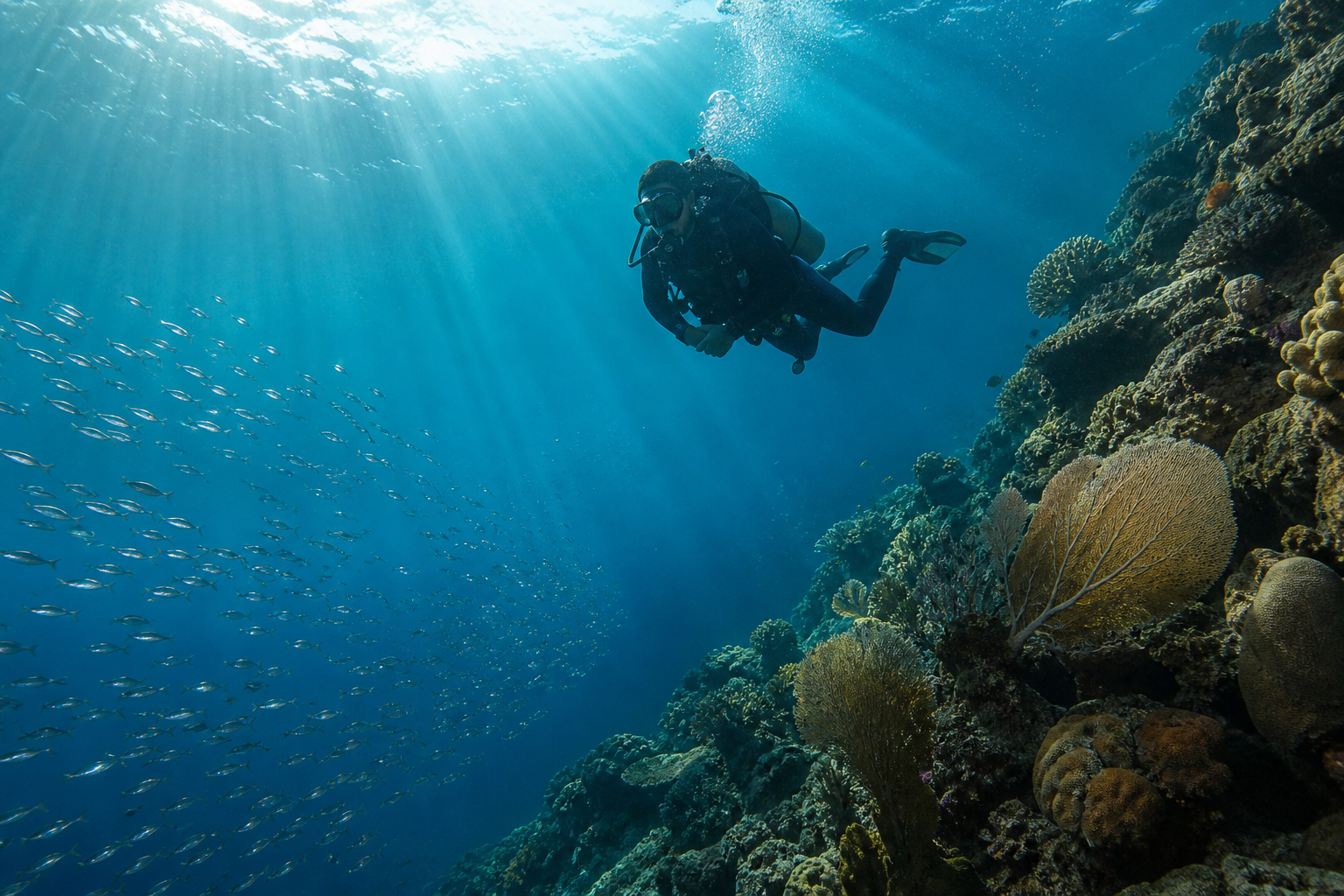
Scuba Diving
The scuba supplement typically asks for:
- Maximum planned depth in the next 12 to 24 months
- Number of dives per year
- Type of diving (open water, wreck, cave, ice, rebreather, mixed gas)
- Certifying agency (PADI, SSI, NAUI, BSAC) and years certified
- Any prior decompression sickness or accidents
Most insurers will make their best rate classes available when your average depth is under 75 feet, you dive fewer than 10 times per year, and you stick to open water. The moment you cross 100 feet or start doing overhead-environment diving, flat extras of roughly $2.50 to $5 per $1,000 of coverage start showing up.
Skydiving
Skydiving questionnaires focus on jump volume, license level, and discipline. Underwriters want to know if you are a tandem-only recreational jumper, a club member with a USPA A/B/C/D license, an instructor, or a wingsuit or canopy pilot. Under 25 jumps per year with basic recreational discipline can qualify for standard rates at flexible carriers. Instructors and 200-plus jumpers face steeper flat extras or exclusions.
Rock Climbing and Mountaineering
Expect questions about:
- Style (gym, bouldering, sport, trad, multi-pitch, alpine, ice, free solo)
- Highest recent grade and typical grade
- Frequency and days climbed per year
- Regions and countries (established crags vs. remote alpine)
- Maximum altitude and use of ropes and guides
Gym-only climbers typically pay standard rates. Trad and alpine climbers often see 50 to 150 percent premium increases, and climbs above 20,000 feet are usually declined outright.
Motor Racing and Bungee Jumping
Motor sports supplements ask about vehicle type, horsepower, sanctioning body, whether events are competitive or track days, and safety gear like HANS devices and roll cages. Bungee jumping and BASE jumping questionnaires cover frequency, licensed operators, and heights.
Flat Extra Premium vs. Exclusion Rider
This is the single most important decision an extreme sports applicant makes. A flat extra keeps the hobby covered but raises your premium. An exclusion rider keeps your premium low but voids the death benefit if the excluded activity kills you.
A flat extra is a fixed dollar amount added per $1,000 of face value. On a $500,000 policy, a $2.50 flat extra adds $1,250 per year on top of your base premium. On a $1,000,000 policy, a $5 flat extra adds $5,000 per year. Typical ranges by activity look like this:
| Activity Profile | Typical Flat Extra (per $1,000) |
|---|---|
| Recreational scuba, under 100 ft, 10 dives/year | $0 to $2.50 |
| Deep recreational scuba, 100-130 ft | $2.50 to $5.00 |
| Technical or cave diving beyond 130 ft | $5.00 to $10.00+ |
| Skydiving, club member, under 50 jumps/year | $2.50 to $3.00 |
| Skydiving instructor or 200+ jumps | $5.00 to $10.00+ |
| Amateur motor racing | $2.50 to $5.00 |
| Professional or drag racing | $5.00 to $10.00 |
| Trad or alpine rock climbing | $2.50 to $5.00 |
| High-altitude mountaineering (13,000-20,000 ft) | $5.00+ or decline |
Exclusion riders come into play when a carrier is unwilling to price the risk. If you skydive 300 times per year, most mainstream insurers will only offer coverage with a parachuting exclusion. You pay near-standard rates, but your family gets nothing if you die on a jump.
Carriers Most Lenient with Extreme Sports
Not every insurer treats a 100-jump-per-year skydiver the same way. These carriers repeatedly show up on broker lists as the most flexible for extreme sports enthusiasts in 2026:
- Banner Life (Legal & General America) offers competitive term rates and one of the more liberal appetites for high-risk hobbies. Skydivers with under 50 jumps per year regularly get flat extras around $2.50 per $1,000.
- Prudential is frequently the most affordable option for scuba divers and often preserves Preferred Plus rate classes for divers under 100 feet.
- Lincoln Financial is a strong middle-ground carrier, typically pricing club skydivers around $3 per $1,000 flat extra.
- John Hancock consistently underwrites active lifestyles, including divers, climbers, and skydivers.
- Protective Life offers affordable term life with reasonable extreme sports pricing.
- Mutual of Omaha is a solid choice for both term and final expense with dangerous hobbies.
- Transamerica and AIG round out the mainstream flexible group.
For applicants with more than one high-risk hobby (say, a diver who also races motorcycles), a specialty high-risk broker will shop your file across all of these carriers simultaneously. If you also fly private planes, our guide on life insurance for pilots shows how aviation questionnaires stack with other avocation ratings.
Real Cost Impact Examples
Here are three realistic scenarios that show how much a dangerous hobby actually changes your premium. Base rates assume a healthy 35-year-old non-smoker buying a 20-year term policy for $500,000.
Scenario 1: Recreational Scuba Diver
A PADI-certified diver logging 15 open-water dives per year at an average of 70 feet. Base premium: about $22 per month. Underwriting outcome: Preferred rate class with no flat extra at Banner, Prudential, or Lincoln. Total cost: unchanged.
Scenario 2: Club Skydiver
A USPA B-license holder with 40 jumps per year, no wingsuit. Base premium: about $22 per month. Flat extra: $2.50 per $1,000, or $1,250 per year. Total cost: about $126 per month. That is nearly a 6x jump, but coverage remains full.
Scenario 3: Amateur Track-Day Racer
An SCCA member doing 8 competitive track days per year in a caged sedan. Base premium: about $22 per month. Outcome: standard rates with a $2.50 flat extra, or roughly $65 per month total. If they also owned a personal watercraft or motorcycle, our guide on how pastime and lifestyle choices affect life insurance rates covers how additional risks stack.
Tips for Honest Disclosure and Specialty Shopping
Underwriters catch non-disclosure through social media, credit card records tied to dive shops or skydive centers, and prescription databases showing decompression medications. If diving does not appear on your application but the insurer later finds evidence, they can proportionally reduce a claim. That means beneficiaries could receive half or less of the face amount.
To keep the process clean and get the best rates:
- Document everything. Bring your dive log, jump log, race license, or climbing history to the application meeting.
- Quote informally first. Most specialty brokers will pre-shop your file with 4 to 8 carriers before you formally apply, avoiding a paper-trail decline.
- Never apply blind on aggregator sites. These platforms optimize for healthy non-hobbyists and will often route you to carriers that auto-decline your sport.
- Consider group life through a hobby association. USPA (skydiving), AOPA (pilots), and some diver associations offer supplemental group plans without avocation questions.
- Stack coverage strategically. A small no-exam permanent policy plus a larger term policy with a hobby exclusion can sometimes deliver more total protection at lower cost than one fully underwritten policy.
For a wider look at how insurers structure carve-outs on high-risk activities, review our deep dive on life insurance policy exclusions.
Frequently Asked Questions
Does scuba diving always increase life insurance premiums?
No. Recreational divers who stay under 100 feet, dive fewer than 10 times per year, and hold a recognized certification (PADI, SSI, NAUI) can qualify for Preferred or even Preferred Plus rate classes at most major carriers. Flat extras only kick in when depth passes 100 feet, dive frequency climbs above 25 per year, or the diving becomes technical.
Can I remove a flat extra premium if I quit skydiving or diving later?
Sometimes yes. Certain carriers will drop the flat extra after 12 to 24 months of documented non-participation, but this is carrier-specific and not universal. Ask your agent to confirm the removal process in writing before you accept the policy, and keep records like membership cancellations or gym logs proving cessation.
What is the difference between an exclusion rider and just not disclosing my hobby?
Huge. An exclusion rider is a legal, negotiated carve-out that keeps the rest of your policy fully valid. Failing to disclose a hobby is material misrepresentation, which can void the entire policy within the two-year contestability window and reduce claims even after that. Non-disclosure is the leading cause of claim denials.
Will BASE jumping or free solo climbing get me declined everywhere?
Not everywhere, but nearly everywhere. Most mainstream carriers decline both activities outright due to the extremely high fatality rate per participation. A specialty high-risk broker may find a carrier willing to offer coverage with a substantial flat extra or a BASE-jumping exclusion rider, but expect premiums two to four times the standard rate.
Is life insurance through my skydiving or dive club a good substitute?
It is a useful supplement but rarely a full replacement. Group plans through USPA or dive associations often skip avocation questions and offer $50,000 to $250,000 in coverage at reasonable rates. However, coverage limits are usually too low to fully protect a family, and rates typically increase every 5 years. Use group coverage on top of an individually underwritten policy, not instead of one.