
Compare Home Insurance Plans in Ohio
Find your best options in less than 2 minutes



What Water Damage Is Covered by Home Insurance?
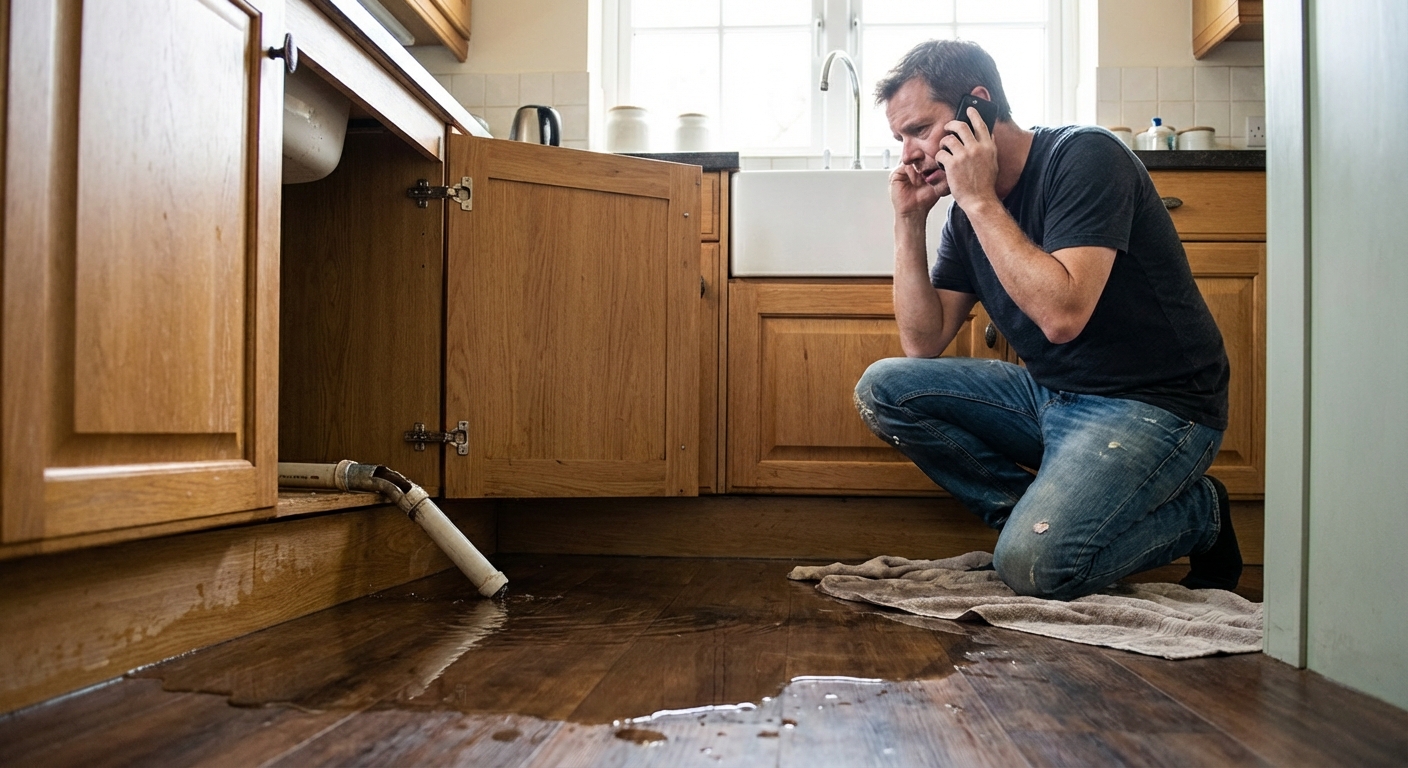
The golden rule of water damage home insurance coverage is this: sudden and accidental water damage that originates inside your home is typically covered, and everything else likely is not. Standard homeowners policies are built around the idea of unexpected, one-time events. Homeowners insurance generally covers sudden and accidental water damage (like burst pipes or ruptured appliances) through dwelling and personal property coverage, while damage caused by ongoing maintenance issues, neglect, or failure to maintain heat is typically not covered.
Here are the most common covered scenarios:
| Covered Water Damage Event | What's Typically Paid |
|---|---|
| Burst or frozen pipe | Structural repairs, damaged personal property, additional living expenses |
| Washing machine / dishwasher hose failure | Water damage to floors, cabinets, and contents |
| Water heater rupture | Structural damage and replacement of damaged belongings |
| Accidental overflow from sink/tub/toilet | Cleanup, structural repairs, and contents |
| Storm wind damage creates roof opening | Interior water damage caused by rain entering through that opening |
| Ice dam from storm accumulation | Interior damage from water backing up under shingles |
Important: Home insurance typically pays for the resulting damage, not the failed component itself. For example, if your washing machine hose bursts, the insurer will cover the water-damaged floors and drywall, but not the hose or the appliance.
For a closer look at specific scenarios, see our guides on burst pipe coverage and ice dam damage claims.

Compare Home Insurance Plans in Ohio
Find your best options in less than 2 minutes
Water Damage Home Insurance Exclusions: What's NOT Covered
This is where most homeowners get blindsided. Several very common water damage scenarios fall completely outside of standard homeowners policy coverage, and the consequences can be financially devastating. Multiple 2026 industry sources place the typical U.S. water damage claim payout between $10,000 and $13,000, with catastrophic events exceeding $50,000. Making matters worse, an analysis by the Wall Street Journal found the five largest home insurance companies collectively denied over 44 percent of claims settled in 2025, and approximately 14% of water damage claims face partial or full denial, with gradual leak exclusions being the most common reason.
Flooding from External Sources
This is the single most misunderstood exclusion in all of home insurance. Standard homeowners policies do not cover flooding. That means rising rivers, storm surge, heavy rain overwhelming drainage systems, and groundwater seeping into your basement are all excluded, even if a hurricane or major storm caused the conditions. To be protected against these events, you need a separate flood insurance policy. Learn more about basement flooding coverage and how it interacts with your existing policy.
Two states now legally require insurers to spell this out. Effective for all policies issued or renewing January 1, 2026, Massachusetts carriers must submit a separate disclosure notice clearly identifying that the home or dwelling insurance policy does not cover loss from flooding, and Connecticut passed a similar law in July 2025 requiring insurers of homeowners and renters policies to include clear language stating flood damage is not covered and that separate flood coverage must be purchased.
Gradual Leaks and Lack of Maintenance
Insurance is designed to cover accidents, not deferred maintenance. Damage from a slow leak under a sink that has been dripping for months, moisture seeping through an aging roof, or corroded pipes that were never replaced will almost always be denied. Adjusters are trained to look for signs of long-term damage (discoloration, rot, mold patterns) that indicate the problem was not sudden, and many carriers now enforce a strict 14-day seepage exclusion. For a deeper look at how upkeep affects coverage, see our guide to home insurance maintenance requirements.
Sewer Backup Without an Endorsement
Sewage backing up through a floor drain, toilet, or tub is a nightmare scenario, and it is excluded from most standard policies. Unless you have added a water backup endorsement, you will be paying for cleanup and repairs entirely out of pocket. Learn more about water backup coverage and how it fills this critical gap.
Foundation Seepage
Water that seeps through foundation walls or up through the floor slab is typically excluded, as it is considered a structural/maintenance issue rather than a sudden accidental event. See our guide on home insurance and foundation repair for what is (and is not) covered.

Protect your home with State Farm
Average Rate:
Homeowners who bundle and save with State Farm save an average of $1,000 per year!

You're in Good Hands® with Allstate
Average Rate:
Get comprehensive home coverage with flexible policy options.

Customize your home coverage
Average Rate:
Only pay for the coverage you need with personalized home insurance.

Smart coverage for your home
Average Rate:
Protect what matters most with award-winning home insurance.
How to Fill the Gaps: Flood Insurance & Water Backup Endorsements
Understanding your exclusions is only half the battle. The other half is knowing what coverage options exist to fill those gaps, and 2026 pricing makes both add-ons more accessible than most homeowners realize.
Flood Insurance: The Critical Add-On
If you live in a flood-prone area, or even a moderate-risk zone, flood insurance is essential. Policies are available through the federal National Flood Insurance Program (NFIP) or through private insurers, and they cover structural damage and contents from rising water events that standard home insurance will not touch.
Under FEMA's Risk Rating 2.0 methodology, 2026 NFIP premiums are highly individualized, with typical new policies falling between $250 and $1,500 per year and the national average sitting near $976. High-risk coastal properties can exceed $2,800. NFIP flood claims are significantly higher than typical interior water losses. The average NFIP flood claim pays out around $66,000 to $69,000, far higher than typical interior water damage claims under homeowners policies.
One important note on program status: On February 3, 2026, President Trump signed into law H.R. 7148, the Consolidated Appropriations Act 2026, which ended the brief partial government shutdown and included an extension of the National Flood Insurance Program (NFIP) through September 30, 2026. Congress has repeatedly relied on short-term extensions, so private flood insurers (Neptune, Palomar, Chubb, and others) are an increasingly competitive alternative worth exploring.
The Water Backup Endorsement
A water backup endorsement (also called sewer/drain backup coverage) is one of the most cost-effective add-ons you can buy. Water and sewer backup coverage covers your home and personal property for damage from sump pump failure, backup from clogged pipes or gutters, overflowing toilets due to a backup, and mold caused directly by the backup.
How much does it cost in 2026?
| Coverage Limit | Estimated Annual Cost |
|---|---|
| $5,000 | $30 – $75/year |
| $10,000 | $50 – $105/year |
| $25,000 | $100 – $250/year |
For just a few dollars a month, you can protect yourself from a sewer backup that could cost $5,000 to $20,000 or more in cleanup and repairs. Water backup insurance costs range from $50 to $250 a year according to industry data, with lower coverage limits starting closer to $30 to $40 per year. If you have older plumbing or connected sewer lines, also review our sewer line repair coverage guide and service line coverage explainer.
Filing a Water Damage Claim: What to Expect and How to Document It
Knowing how insurers evaluate water damage claims, and preparing accordingly, can be the difference between a full payout and a denial.
How Adjusters Evaluate Your Claim
When you file a water damage claim, an insurance adjuster will:
- Identify the source and cause of the water (burst pipe, appliance, storm, groundwater, etc.)
- Determine the timeline. Was the damage sudden or gradual?
- Look for evidence of neglect such as prior staining, rust, rot, or ignored warning signs
- Assess the extent of damage using your documentation and contractor estimates
- Compare findings to your policy to confirm coverage or apply exclusions
The single most important factor is whether the damage is classified as sudden and accidental or gradual and preventable. Long-term seepage patterns, visible mold, and deteriorated materials are red flags that adjusters use to deny claims. For related scenarios, see our guides on plumbing coverage and whether home insurance covers mold.
Documentation Checklist
Being organized can dramatically speed up your claim and improve your outcome. Here is what to gather:
| Documentation Type | Details |
|---|---|
| Photos & videos | Wide shots and close-ups of all damage, including the water source |
| Written timeline | When you first noticed the issue and what actions you took |
| Plumber/contractor report | Description of cause (e.g., "sudden pipe failure" vs. corrosion) |
| Repair estimates | Itemized estimates from licensed contractors |
| Receipts | Emergency mitigation, temporary housing, dehumidifiers, fans |
| Inventory of damaged items | List with approximate value and purchase dates |
For more on hidden exclusions that can derail a claim, review what home insurance does not cover.
Preventive Measures That Protect You (and Your Policy)
Beyond filing claims correctly, proactive maintenance keeps damage from happening in the first place, and demonstrates to insurers that you are a responsible homeowner.
- Install water leak detection sensors near appliances, under sinks, and in the basement
- Inspect and maintain plumbing annually. Look for corrosion, loose fittings, and worn hoses
- Clean gutters and downspouts regularly to prevent overflow and foundation damage
- Insulate pipes in unheated areas to prevent freezing during winter months
- Maintain proper grading around your home so water drains away from the foundation
- Know where your main shut-off valve is so you can stop water flow immediately in an emergency
Some carriers are now going further and requiring leak detection devices for higher-risk properties. For new Mercury HO-3 Homeowners Policies effective May 29, 2026 and later, homes meeting certain age or Coverage A thresholds must install an approved water leak detection device before the first renewal. Meanwhile, effective June 13, 2026, many new Farmers Smart Plan Home and Farmers Next Generation Homeowners policies will no longer require the installation of a whole-house water leak detection device with automatic shut-off, offering a split water peril deductible as an alternative.
Frequently Asked Questions About Water Damage and Home Insurance
Does homeowners insurance cover water damage from a burst pipe?
Yes, in most cases. A burst pipe is considered a sudden and accidental event, which is exactly what standard home insurance is designed to cover. Your policy will typically pay for structural repairs, damaged personal property, and additional living expenses if your home becomes temporarily uninhabitable. Keep in mind that the cost to repair or replace the pipe itself may not be covered, only the resulting water damage.
Is flood damage covered under a standard homeowners policy?
No. Flood damage is one of the most well-known exclusions in standard homeowners insurance, yet it remains one of the most common misconceptions. Rising water from rivers, storm surge, heavy rainfall, and overland flooding are all excluded. To be covered for flood-related damage, you need a separate flood insurance policy through the NFIP (currently authorized through September 30, 2026 following the February 2026 Consolidated Appropriations Act) or a private insurer, with typical 2026 premiums ranging from $250 to $1,500 per year.
What is a water backup endorsement and do I need it?
A water backup endorsement is an optional add-on to your homeowners policy that covers damage from sewer or drain backups and sump pump failures, events excluded from standard coverage. It typically costs $30 to $250 per year depending on your coverage limit, making it one of the most affordable protections available in 2026. If your home has a basement, a sump pump, or older plumbing, this endorsement is strongly worth considering.
How do I know if my water damage claim will be approved or denied?
The key question is whether the damage was sudden and accidental or gradual and preventable. Insurers look for evidence of the timeline, since fresh water damage is treated differently from damage showing signs of long-term moisture, rot, or mold. About 14% of water damage claims are denied outright, most often for gradual leak exclusions, so acting quickly, documenting thoroughly, and having a plumber confirm the sudden nature of the failure all strengthen your claim.
Does homeowners insurance cover gradual water damage like a slow leak?
Generally, no. Gradual leaks, slow seepage, and ongoing moisture issues are classified as maintenance problems, not insurable events. Insurers expect homeowners to inspect and maintain their property and will deny claims where evidence suggests the damage built up over time, often applying a strict 14-day seepage exclusion. If you discover a slow leak early and repair it before damage spreads, you have done the right thing, but do not expect insurance to cover the consequences of a problem that went unaddressed for months.