
Compare Home Insurance Plans in Ohio
Find your best options in less than 2 minutes



How Seasonal Home Insurance Differs from Other Policies
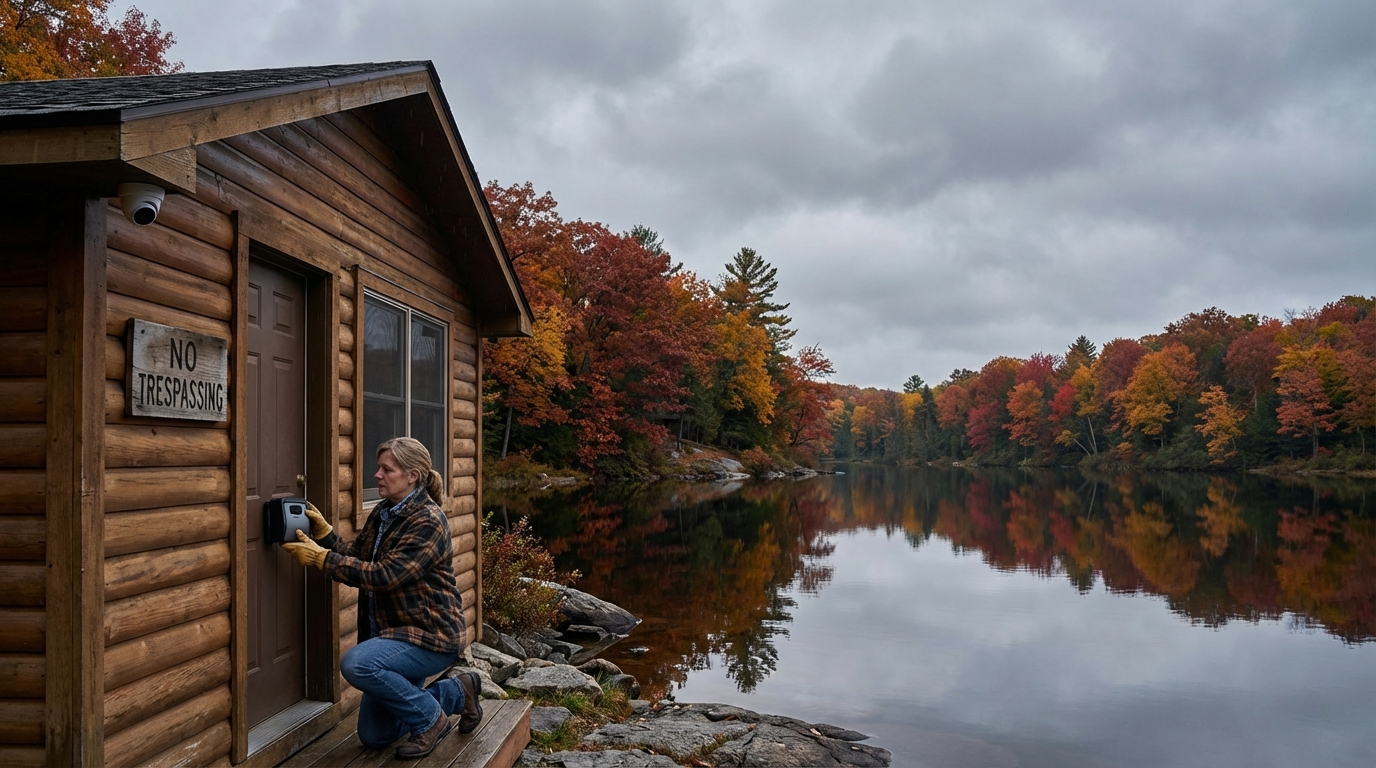
Owning a beach house, ski cabin, or lake cottage comes with a unique insurance challenge: standard homeowners policies are built for full-time occupancy. When a property sits vacant for months at a time, coverage gaps open up, often without the homeowner realizing it.
Seasonal home insurance is a specialized standalone policy designed to cover properties used only part of the year. Here's how it stacks up against the two policies people most commonly confuse it with:
| Policy Type | Best For | Vacancy Tolerance | Key Limitation |
|---|---|---|---|
| Standard Homeowners | Year-round primary residences | 30-60 days max | Voids coverage after vacancy clause triggers |
| Seasonal Home Insurance | Part-time cabins, cottages, lake/beach homes | Built for extended vacancy | Higher premiums; standalone policy required |
| Vacant Home Insurance | Fully unoccupied properties (selling, renovating) | Designed for full vacancy | Narrower perils; often no personal property coverage |
Most homeowners insurance policies include a vacancy clause that limits or excludes coverage once the home has been empty for 30 to 60 consecutive days. Once that threshold is crossed, standard homeowners forms typically exclude losses such as vandalism, sprinkler leakage (unless the system has been protected against freezing), glass breakage, water damage, and theft, while other losses may be reduced by 15 percent. Seasonal policies are built around this reality, providing dwelling protection, personal property coverage, and liability even during long unoccupied stretches.
If you're unsure whether your property would be considered vacant under your current policy, our guide to vacant home insurance explains exactly when that threshold is triggered and what coverage you lose.

Compare Home Insurance Plans in Ohio
Find your best options in less than 2 minutes
Special Coverage Considerations for Seasonal Properties
Seasonal homes carry risks that everyday primary residences simply don't face at the same scale. Understanding these areas helps you build a policy that won't leave you exposed.
Winterization & Freeze Damage
One of the most common and costly claims on seasonal properties is frozen or burst pipes. If your home is unheated and unoccupied during winter, and your policy requires a minimum maintained temperature, a burst pipe claim can be denied outright. Our guide to water damage coverage explains the temperature maintenance rules insurers enforce and which leak-detection devices earn discounts.
Most insurers that cover seasonal homes will require you to do at least one of the following:
- Maintain heat at 50 to 55°F during vacancy periods, monitored remotely
- Fully winterize the plumbing, drain all water lines, add antifreeze to traps and toilets, and shut off the main supply
- Provide proof of regular check-ins on a weekly or monthly basis, depending on your carrier, with dated notes or photos to document each visit
Liability During Vacancy & Guest Visits
When friends or family use your seasonal property, even for a weekend, your liability exposure is real. A slip on an icy deck, a dock accident, or an injury near a pool or hot tub can trigger a claim. Seasonal home policies typically include personal liability coverage, but you may want to add an umbrella policy ($1 million or more) for higher-value properties with amenities like:
- Swimming pools or hot tubs
- Boat docks or watercraft
- Wood-burning stoves or fireplaces
- ATV trails or outdoor recreation equipment
Vandalism & Theft During Off-Season
Unoccupied homes are more vulnerable to break-ins, vandalism, and theft. Seasonal policies account for this by keeping these perils active during vacancy, unlike standard policies, which may exclude or limit them once a vacancy clause kicks in. Learn more about how vacant home coverage handles these same risks differently, and see our list of the most common home insurance exclusions that catch seasonal owners off guard.

Protect your home with State Farm
Average Rate:
Homeowners who bundle and save with State Farm save an average of $1,000 per year!

You're in Good Hands® with Allstate
Average Rate:
Get comprehensive home coverage with flexible policy options.

Customize your home coverage
Average Rate:
Only pay for the coverage you need with personalized home insurance.

Smart coverage for your home
Average Rate:
Protect what matters most with award-winning home insurance.
Cost of Seasonal Home Insurance vs. Primary Residence
Insuring a seasonal home costs more than insuring a comparable primary residence, sometimes significantly more. Because the property is vacant for extended periods, insurers view it as a higher risk for undetected damage, theft, and liability claims.
Key cost factors include:
- Location and regional hazards (coastal, wildfire-prone, or remote areas cost more)
- Home value and replacement cost
- Vacancy duration, the longer it sits empty, the higher the premium
- Security measures (alarms, cameras, smart monitoring can reduce rates)
- Claims history on the property
- Coverage add-ons like flood, wind, or earthquake riders
For reference, the national average home insurance rate is around $2,844 per year for a policy with $300,000 in dwelling coverage, based on Insurify data, and Insurify projects the average annual cost of home insurance will rise another 4% to roughly $3,057 by the end of 2026 after jumping 12% in 2025. Insurify pegs the national average for a secondary home at about $2,693 per year, and second-home policies typically run 10% to 15% more than a comparable primary residence. Depending on the property's location, vacancy pattern, and risk profile, seasonal and vacation home policies can run 10% to 50% higher than equivalent primary home coverage.
| Cost Factor | Impact on Premium |
|---|---|
| Coastal location (hurricane/flood zone) | +30-80% |
| Remote/rural location (slow emergency response) | +10-25% |
| No security system | +5-15% |
| High-value amenities (dock, pool, hot tub) | +10-30% |
| Bundling with primary home or auto policy | -10-25% |
| Smart monitoring devices installed | -5-10% |
Maintaining continuous coverage on both properties also matters, since a lapse on either can trigger surcharges of 20% to 40% when you shop for a new policy.
Regional Considerations: Beach Houses, Ski Cabins & Snowbird Properties
Where your seasonal home sits matters enormously, not just for pricing, but for what coverage you absolutely must have.
Beach Houses & Coastal Vacation Homes
Coastal properties face a gauntlet of risks: storm surge, flooding, hurricanes, coastal erosion, and high winds. Standard homeowners policies do not cover flood damage. That requires a separate flood insurance policy through either the National Flood Insurance Program (NFIP) or a private flood insurer.
As of April 1, 2023, FEMA fully implemented the NFIP's pricing approach, Risk Rating 2.0, which prices flood policies based on individual property risk (including distance to water, elevation, and rebuilding costs) rather than flood zone alone. Current law limits rate increases to no more than 18% per year for most primary residence policyholders until a policy reaches its full risk-based rate. High-risk coastal Zone VE properties, which are subject to storm surge and wave action in addition to flooding, typically run $3,000 to $10,000 or more per year under Risk Rating 2.0, and premiums on second homes are generally higher than on primary residences.
Coastal carriers often require:
- A separate wind/hail endorsement or standalone wind policy
- An elevation certificate for properties near the shoreline
- Hurricane shutters or storm-rated windows in high-wind zones
- Higher deductibles, often 2% to 5% of the insured value for wind events
Ski Cabins & Mountain Properties
Mountain cabins face wildfire risk, heavy snow loads on roofs, ice dams, and in some regions, earthquake exposure. In California, the market remains under pressure. Homeowners in high wildfire-risk areas could pay significantly more than the new average starting October 15, 2026, when the California FAIR Plan's insurance premiums rise by an average of 29.1%. The FAIR Plan initially requested 35.8%, which would have been its largest rate increase ever, but the California Department of Insurance approved 29.1% instead, effective for new and renewal policies. Roughly half of policyholders could see increases in the 30% to 50% range, while about a quarter may see reductions, depending on property-specific wildfire risk. If your cabin sits in a wildfire zone, you may need to rely on the FAIR Plan as a last-resort option, potentially paired with a separate wrap-around policy. Learn more about high-risk home insurance options for hard-to-insure properties.
Key add-ons to consider:
- Wildfire defensible space documentation (required by some carriers)
- Earthquake endorsement in seismically active zones
- Roof coverage rated for heavy snow loads
- Disclosure of wood-burning stoves or fireplaces, which increase liability and fire risk
If your cabin is a log or timber-frame structure, our log home insurance guide explains why replacement costs run 20% to 50% higher and how to find a specialty insurer.
Snowbird Properties (Florida & Sun Belt)
Snowbirds (retirees who spend winters in Florida, Arizona, or other warm states) often have two homes, each needing its own policy. The northern home may sit empty from October through April, creating a vacancy exposure. The southern home is the primary winter residence, but it carries coastal and hurricane risks of its own.
Florida's insurance market has stabilized meaningfully in 2026 after years of turmoil. Citizens Property Insurance Corporation is reducing rates for its personal lines policyholders by an average of 8.7% statewide, the first average rate reduction for Citizens personal lines since 2015. Homeowners multiperil rates are dropping by roughly 8.8%, while wind-only policies are dropping by about 5%. The approved changes took effect for new and renewal business beginning June 1, 2026. That said, Florida remains among the most expensive states for coverage, with Insurify reporting statewide averages above $12,000 per year in some markets. Snowbirds with second homes in Florida should:
- Verify their policy has no vacancy clause that kicks in while they're up north (see our Florida snowbird vacancy considerations)
- Carry wind mitigation coverage and a separate flood policy
- Consider an umbrella policy for pool and liability exposure
- Confirm whether their home qualifies under one of the standard homeowners forms best suited for part-time occupancy
Frequently Asked Questions
Can I just add my vacation home to my existing homeowners policy?
No, a second or seasonal home almost always requires a separate standalone policy. Your primary residence policy is rated for a home that is actively occupied and maintained year-round. Adding a vacation property to it isn't an option most carriers will allow, and attempting to do so without disclosure could void your coverage on both properties.
What is the difference between a seasonal home policy and vacant home insurance?
A seasonal home policy is designed for properties used part-time, meaning they're periodically occupied by the owner, family, or guests. Vacant home insurance covers properties that are fully unoccupied for an extended period (typically due to renovation, sale, or estate situations) and averages around $4,200 per year in 2026. Seasonal policies generally include broader personal property and liability coverage, while vacant policies are more restrictive. You can learn more in our detailed breakdown of vacant home insurance.
What discounts are available for seasonal home insurance?
Common discounts include multi-policy bundling (10% to 25% off), installing security systems or smart monitoring devices, having a newer roof or updated systems, and maintaining a claims-free history. Some carriers also offer discounts for homes with storm-resistant features like hurricane shutters or impact-resistant windows. In California wildfire zones, participating in a Firewise USA community or completing the state's "Safer from Wildfires" hardening program can unlock additional mitigation discounts on the wildfire portion of your FAIR Plan premium.
Do I need flood insurance for my seasonal home?
If your seasonal home is near water, whether coastal, lakeside, or in a flood-prone area, flood insurance is strongly recommended and may be required by your mortgage lender. Standard homeowners and seasonal home policies do not cover flood damage. You'll need a separate policy through the NFIP or a private flood insurer, and given ongoing NFIP reauthorization uncertainty, private flood options are worth quoting alongside NFIP.
How often should I have someone check on my seasonal home while it's vacant?
Most insurance carriers require a property check-in every 30 days during vacancy periods, though some require weekly visits. This visit should include inspecting for water leaks, verifying the heating or winterization is intact, and checking for signs of break-in or vandalism. Keeping a log of these visits is smart, as it can support a claim if damage is discovered later.