

Compare Home Warranty Options in Ohio
See what plans you qualify for in less than 2 minutes
What Is a Home Warranty Cash Buyout?
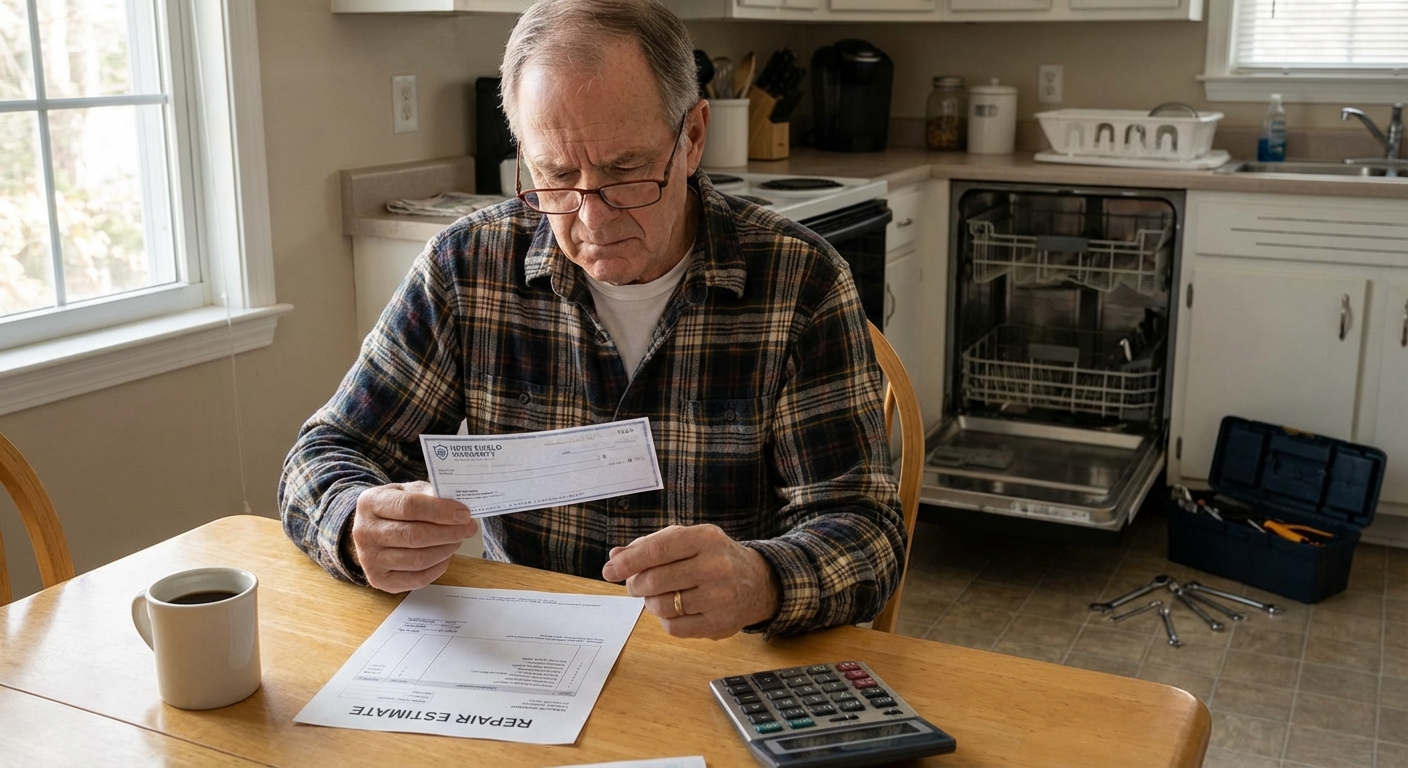
A home warranty cash buyout, also called "cash in lieu of repair" or a "cash out option," is when your home warranty company offers you a direct cash payment instead of sending a contractor to repair or replace a covered item. Rather than arranging the fix themselves, the company calculates how much the repair or replacement would cost them and hands you a check instead.
This option can be offered in a few scenarios:
- The item is difficult or impossible for their contractor network to service
- The repair cost exceeds what their network can efficiently provide
- You specifically request a cash settlement instead of repair
- A covered part is unavailable, making a full fix impractical
- Applicable law prevents the company from performing the repair, or the repair would exceed a covered item limit
While the flexibility sounds great, the key thing to understand is that the buyout amount is almost never equivalent to what you'd pay at retail. Companies base their cash offers on their internal wholesale contractor costs, not the price you'd pay at a hardware store or appliance retailer. First American's contract language explicitly states that cash-in-lieu payments are based on their negotiated rates with suppliers, which may be less than retail. Choice Home Warranty's user agreement similarly reserves the right to pay CHW's actual cost (which at times may be less than retail) and excludes shipping, tax, and installation from the payout.
How Home Warranty Buyout Amounts Are Calculated
Understanding how the payout is determined is the single most important part of evaluating a buyout offer. Most homeowners are surprised, and often disappointed, by the amount.
Actual Cash Value vs. Retail Replacement Cost
Home warranty companies typically base buyouts on one of these methods:
| Calculation Method | What It Means | Typical Outcome |
|---|---|---|
| Wholesale / Contractor Cost | What it would cost the company's vetted contractor to do the job | Usually 40-60% below retail price |
| Actual Cash Value (ACV) | Replacement cost minus depreciation based on age and wear | Lower on older items; can be 25-50% of new retail value |
| Per-Item Coverage Cap | The maximum dollar limit your policy allows per item | Hard ceiling, often $1,500 to $5,000 |
| "Fair Value of Parts" | What the company would have paid for parts had they been available | Often the lower of parts cost or repair estimate |
For example, in 2026 the average full HVAC system replacement (AC plus furnace) runs about $11,590 to $14,100 installed for a typical 2,000 to 2,500 sq ft single-family home, with the broader national range spanning $5,000 to $28,000 depending on system type, home size, and efficiency tier. Premium high-efficiency and A2L-compliant systems can push above $20,000. A home warranty company might calculate their contractor's cost at $4,500. That's the number used for the buyout offer, not the retail price. On top of that, American Home Shield caps HVAC payouts at $5,000 per system across all three of its plans (ShieldSilver, ShieldGold, and ShieldPlatinum), making the real cash offer even lower for high-end systems.
Real-World Example: A 10-year-old dishwasher has a retail replacement cost of $900. The warranty company applies depreciation and uses their wholesale rate, potentially offering you just $250 to $400. A widely referenced case documented on consumer forums showed a First American cash-out offer of just $474.34 on a water heater claim, described as the "allowable amount," rather than full replacement cost.
Learn more about how payout limits and coverage caps affect your total claim outcome.
Pros and Cons of Accepting a Home Warranty Cash Buyout
Before you accept or reject the offer, weigh both sides carefully.
When Accepting Cash Makes Sense
Cash buyouts work best in these situations:
- Your item is old and near end-of-life. The warranty company would likely replace it with a builder-grade basic unit anyway. Taking cash lets you put it toward an upgrade.
- You already have a trusted contractor. If you have a relationship with a reliable local tech, you can often get better work done faster at a similar or lower cost.
- The repair is urgent. Waiting for a warranty contractor during summer HVAC failures can take days. Cash lets you hire someone immediately.
- The buyout covers most of the cost. If the gap between the offer and the full repair cost is small, cash gives you control without much out-of-pocket risk.
When to Insist on Repair or Replacement
There are times when pushing for the company to repair or replace is the smarter move. Before deciding, review how companies decide to repair vs. replace covered items.
- High-cost items with generous caps. If your policy covers up to $5,000 on HVAC (the current AHS cap across all tiers) and the repair estimate is $4,800, insist on repair. A cash buyout for the same claim might only yield $2,500.
- You're short on cash reserves. A service call fee of $75 to $125 beats having to fund the difference on a large appliance replacement.
- The item is newer. Less depreciation means the warranty company's repair estimate is closer to fair market value.
- You're planning to sell. A documented, company-authorized repair on record can be valuable when disclosing home condition to buyers.
How to Negotiate a Higher Cash Buyout Amount in 2026
Home warranty companies count on most homeowners accepting the first offer. Don't. Here's how to push back effectively.
Step 1: Get Independent Estimates First
Before responding to any offer, get two to three quotes from licensed local contractors. These quotes establish the real-world cost of the repair or replacement and give you solid, documented leverage. Ask specifically for the warranty company's "allowed amount" and how it was calculated.
Step 2: Review Your Policy's Coverage Cap
Know exactly what your contract allows per item. Current 2026 caps to know:
- American Home Shield (ShieldSilver): $5,000 per HVAC system, no appliance coverage, $50,000 aggregate annual cap
- American Home Shield (ShieldGold): $5,000 per HVAC system, $2,000 per covered appliance, $50,000 aggregate annual cap
- American Home Shield (ShieldPlatinum): $5,000 per HVAC system, $4,000 per covered appliance, unlimited AC refrigerant, $50,000 aggregate annual cap
- First American: No aggregate cap on most plans, but appliances have per-item limits (up to $7,000 on Premier); cash-in-lieu is paid based on First American's negotiated supplier rates
- Choice Home Warranty: $3,000 per covered item within 12 months, with cash offers based on CHW's actual cost (which may exclude shipping, tax, and installation)
- Geothermal AC systems (AHS): $1,500 covered-item limit, plus up to $1,000 for concrete cutting to access components
If the company offers $1,200 but your cap is $3,000 and a local contractor quoted $2,700, you have a clear argument that the offer is below both fair market rate and your coverage entitlement. See our full breakdown of home warranty coverage limits for provider-by-provider details.
Step 3: Escalate to a Claims Manager
If the frontline agent won't budge, calmly request escalation to a supervisor or claims manager. Frame your case with the independent estimates and your contract terms. Most adjustments happen at this level, not with the first rep.
Step 4: File a Complaint if Necessary
If you believe the offer is in bad faith or violates your contract, you can escalate further:
- Your state's insurance or consumer affairs department. Home warranties are often regulated as service contracts at the state level. The Arizona Attorney General's long-running consumer fraud case against Choice Home Warranty resulted in an $11.8 million judgment publicly announced February 10, 2026. The state alleged CHW used contract exclusions, payment caps, and refusals to avoid paying repair claims. The settlement requires reformed sales practices and clearer pre-sale disclosure, though Choice did not admit liability. The restitution claim window for Arizona buyers closed August 1, 2026.
- The Better Business Bureau (BBB)
- Small claims court for amounts within your state's limits
- Class action or private consumer protection suits where applicable
Typical 2026 Buyout Ranges by Item Type
| Item | Average 2026 Retail Cost | Typical Warranty Cash Offer | Gap |
|---|---|---|---|
| Central HVAC System (full) | $11,590-$16,000 | $2,000-$5,000 | $6,500-$11,000 |
| Water Heater | $1,400-$2,500 | $400-$900 | $1,000-$1,600 |
| Refrigerator | $1,500-$3,000 | $400-$1,000 | $1,100-$2,000 |
| Dishwasher | $800-$1,400 | $250-$500 | $500-$900 |
| Washer / Dryer | $900-$1,800 | $300-$700 | $500-$1,100 |
The gap is widest on big-ticket HVAC systems, especially now that the EPA's Technology Transitions Rule has driven the industry to A2L refrigerants like R-454B and R-32. Manufacturers such as Carrier have publicly stated that R-454B units cost roughly 10% more than equivalent R-410A equipment due to redesigned components and controls, though some 2026 industry estimates put the premium as high as 15% to 25% depending on brand and region. On top of that, Honeywell's 42% refrigerant surcharge in 2025 (layered with per-pound base increases) drove wholesale R-454B costs to $15 to $28 per pound. That makes negotiation most impactful for HVAC claims. If you end up paying out of pocket, our guide on home warranty reimbursement walks through how to recover those costs.
Tax Implications and Tips for Maximizing Value
Are Home Warranty Cash Buyouts Taxable?
In most cases, no. Under IRC Section 61, all income is taxable from whatever source derived unless a specific exclusion applies. However, if the cash payment merely reimburses your repair or replacement cost and doesn't exceed your loss, it's generally treated as a return of capital rather than taxable income. The logic is simple: the payment is restoring you to your prior position, not generating a profit.
However, there are exceptions:
- If the buyout exceeds your actual loss, any surplus may be considered taxable income under IRC Section 61
- If you previously deducted the item as a business or rental expense and receive a cash settlement, different rules may apply
- Rental or investment properties are subject to different tax treatment than primary residences
- Amounts paid for lost use, interest, or delay damages (rare in warranty claims) are generally taxable as ordinary income
Tips to Maximize the Value of Your Buyout
- Never accept the first offer without researching comparables. Retail prices and local contractor quotes should anchor your counter.
- Ask specifically what the buyout calculation is based on and get it in writing if possible.
- Know your coverage cap before negotiating. Your contract is your greatest tool.
- Time your repair smartly. Off-season HVAC repairs (spring and fall) may cost less, stretching your buyout further.
- Compare buyout to reimbursement. Sometimes filing a home warranty claim with reimbursement documentation yields a better outcome than a pre-agreed cash settlement.
- Verify A2L compatibility before spending the payout. New residential AC and heat pump equipment now uses A2L refrigerants like R-454B, so matched indoor and outdoor components are required. Our overview of air conditioner coverage rules explains how the transition affects warranty claims.
- Consider whether the warranty itself is worth keeping. If the payouts consistently disappoint, exploring home warranty alternatives like a dedicated repair fund may save more over time.
Understanding how payout limits work before you file puts you in the strongest possible negotiating position. You can also brush up on the specific HVAC coverage limits and replacement rules that determine whether an HVAC claim reaches the cash buyout stage in the first place.
Frequently Asked Questions
What is a home warranty cash buyout?
A home warranty cash buyout, also called "cash in lieu of repair," is when your warranty company offers you a direct cash payment instead of arranging a repair or replacement through their contractor network. The amount is typically based on the company's internal wholesale repair costs or per-item coverage caps, not retail pricing. It gives you flexibility to hire your own contractor but often leaves a gap between the offer and the actual cost to fix the item.
How much cash will a home warranty company offer in 2026?
The offer varies significantly by item type and policy. For smaller appliances like dishwashers, you might receive $250 to $500, while HVAC cash buyouts often range from $2,000 to $5,000 depending on your plan's cap. These amounts are generally 40% to 70% lower than retail, and documented offers under $500 on multi-thousand-dollar claims (like the widely cited $474.34 First American water heater case) remain common. Your policy's per-item cap ($5,000 HVAC at AHS, $3,000 per item at Choice) acts as a hard ceiling.
Can I negotiate a home warranty cash buyout?
Yes, and you should. Start by getting two or three independent contractor quotes that document the real cost of the repair. Then review your policy's coverage cap and escalate your claim to a supervisor if the initial offer is below what your contract allows. Many homeowners who push back with documented evidence successfully increase their buyout offer by 20% to 50%.
Is a home warranty cash settlement taxable income?
Generally, cash settlements used to cover the actual repair or replacement cost are not taxable because they simply restore you to your prior position without generating profit. However, if the payment exceeds your actual loss or if the item was previously used for business or rental purposes, some or all of the amount may be taxable under IRC Section 61. Always consult a tax professional if you receive a large settlement or if your situation is complex.
When should I insist on repair instead of taking the cash?
Insist on repair or replacement when your policy has a high coverage cap and the actual repair cost is close to that limit. Taking cash in that scenario could leave significant money on the table. Also push for repair if you're low on cash reserves, since service call fees ($75 to $125, averaging about $108) are far cheaper than funding a large replacement shortfall yourself. For high-value systems like HVAC where warranty caps approach market rates, repair is almost always the better financial move.