
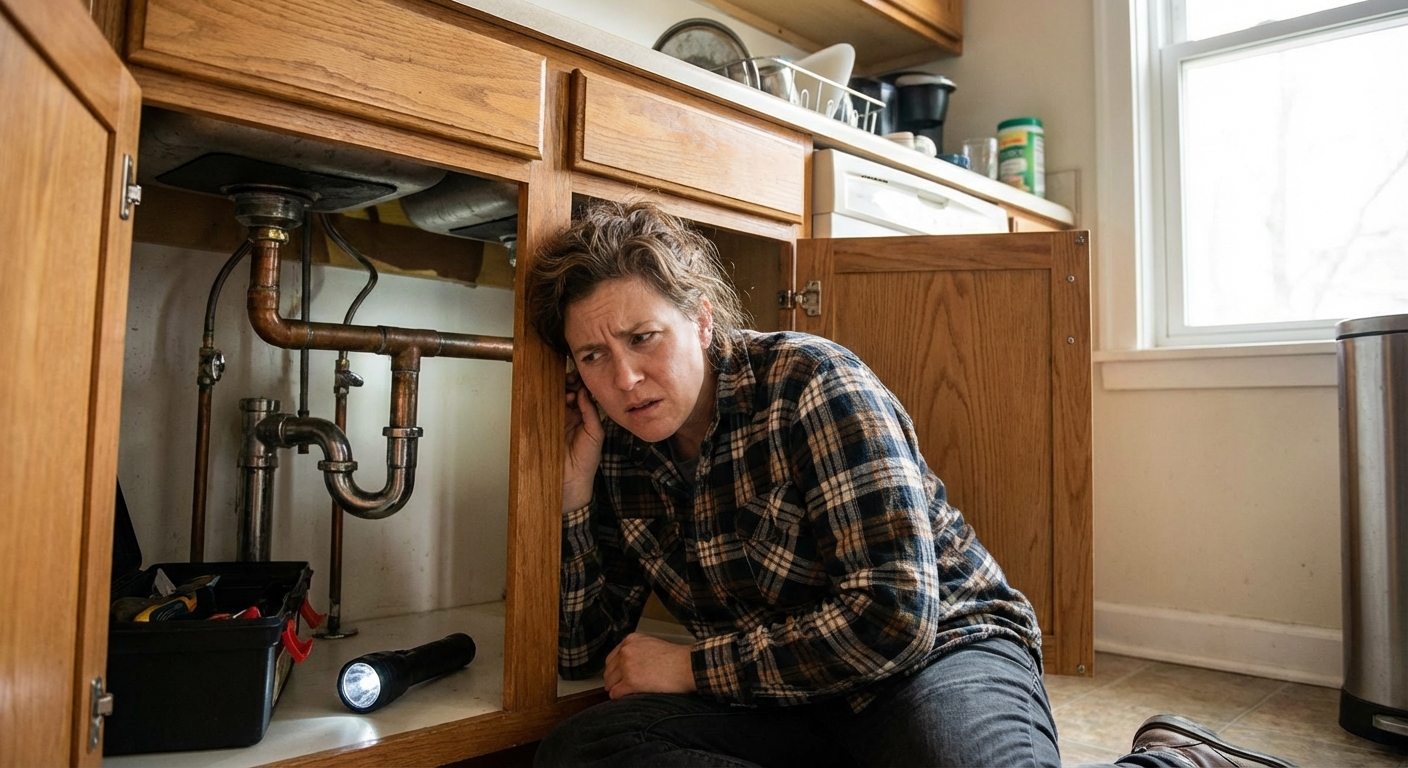
The 5 Most Common Plumbing Noises and What They Mean
Your pipes are trying to tell you something. Whether it's a sharp bang when you shut off the faucet or a mysterious gurgle coming from the drain, every plumbing noise has a root cause, and ignoring them can lead to costly water damage down the road. Here's a breakdown of the five most common plumbing sounds, what triggers them, and how urgently you need to act.
Banging or Thumping (Water Hammer)
Water hammer is one of the most dramatic plumbing sounds: a loud bang or thump that occurs right after you turn off a faucet, flush the toilet, or when an appliance like your dishwasher finishes a cycle.
What causes it: Water hammer happens when a valve or appliance shuts off flowing water almost instantly. The moving water has nowhere to go, so it generates a pressure shockwave that slams through the piping and makes the pipes bang against studs, joists, or each other. Modern washing machines, dishwashers, and ice makers are especially prone to triggering it because their solenoid valves close in a fraction of a second.
Is it serious? Yes, if left untreated. Repeated shockwaves can stress pipe joints, loosen connections, and eventually cause leaks or burst pipes. You can dive deeper into the long-term damage from water hammer if you want a full breakdown.
DIY fix: Install a water hammer arrestor near the offending valve or appliance. These small shock absorbers use a sealed air bladder and spring to soak up pressure waves before they rattle your pipes. A basic single-fixture arrestor typically runs $10 to $40 per unit in 2026, though hiring a plumber to install one or two units usually brings the total to around $300 to $600 due to service call minimums. You can also check that all visible pipes are properly secured with padded pipe straps, since loose pipes dramatically amplify the banging.
Gurgling (Drain Venting or Clog Issues)
A gurgling sound coming from a sink, tub, or toilet is a telltale sign that air is being sucked through the wrong part of your plumbing system.
What causes it: Air pockets inside your plumbing system can create gurgling or bubbling sounds. These noises often occur when water flow becomes uneven due to trapped air, which can enter the system during repairs, leaks, or improper venting. A partial clog (from grease, food scraps, hair, or soap scum) traps pockets of air that escape as noisy bubbles when water passes by. Blocked vent pipes, dry or improperly installed P-traps, and damaged sewer branches can all create the same effect.
| Cause | Description | Severity |
|---|---|---|
| Partial drain clog | Hair, grease, or debris trapping air bubbles | Low-Medium |
| Blocked vent pipe | Leaves, nests, or debris blocking roof vents | Medium |
| Main sewer line issue | Tree roots or heavy buildup affecting multiple drains | High |
| P-trap problem | Dry or improperly installed U-shaped pipe under sink | Low-Medium |
Is it serious? A single gurgling drain is usually a minor clog and a DIY fix. But if you hear gurgling from multiple fixtures at once, or if flushing a toilet causes the tub to gurgle, that points to a main sewer line blockage or a primary vent stack problem. These are much bigger deals because they affect every fixture in the house.
DIY fix: Start with a plunger to dislodge partial clogs and release trapped air. For sink drains, clean out the P-trap by placing a bucket underneath, unscrewing the trap, and clearing any debris. If the gurgling continues, flush your roof vent pipe with a garden hose to clear any blockages from above. Avoiding common plumbing mistakes homeowners make (like pouring grease down the drain or overusing chemical cleaners) will also help keep drains flowing quietly.
Whistling or Squealing (Pressure or Valve Problems)
A high-pitched whistle or squeal coming from your pipes or a fixture is almost always a pressure or valve issue.
What causes it: Whistling pipes are typically caused by one of the following:
- Excessively high water pressure. When household pressure exceeds 60 to 80 PSI, water flow becomes turbulent and vibrates pipes, creating a whistle.
- Partially closed valves. A valve that isn't fully open forces water through a tight gap, creating the same effect as blowing through a narrow opening.
- Worn faucet washers or damaged aerators. Old or deteriorated internal components cause turbulent, noisy water flow.
- Sediment or mineral deposits. Buildup inside pipes narrows the passage and increases internal pressure.
DIY fix: Make sure all shutoff valves in your home are fully open. Replace worn faucet washers and aerators, which are inexpensive parts ($2 to $10) and easy to swap out yourself. If pressure is the culprit, call your water utility company to confirm whether supply pressure is abnormally high. For a deeper dive, see our guide on water pressure problems.
Humming (High Water Pressure)
A constant low hum when water is running is a classic sign of water pressure that's too high for your plumbing system to handle quietly.
What causes it: Water pressure in supply main lines can reach 100 pounds per square inch (psi) or more, and high water pressure can damage plumbing piping, fixtures, and appliances. Pipes running through tight spaces vibrate continuously under this pressure, producing a humming sound. This is particularly common in homes with well water systems, where pressure tanks can be miscalibrated.
DIY fix: Test your water pressure with an inexpensive gauge. Under the 2021 International Plumbing Code, where water pressure within a building exceeds 80 psi, a pressure-reducing valve or regulator is required. If yours is above that threshold, have a plumber install or adjust a PRV. This single fix can resolve humming, whistling, and even water hammer all at once. Learn more about how to fix low water pressure before you call.
Knocking or Clicking (Thermal Expansion or Loose Pipes)
If you hear a knocking or clicking sound specifically when running hot water, and it continues for a few minutes after you turn the tap off, thermal expansion is likely the culprit.
What causes it: Metal and plastic pipes expand when heated and contract when they cool. If a hot water pipe passes through a tight wall opening, joist notch, or pipe strap without enough clearance, it rubs against the structure as it expands and contracts, creating a rhythmic knocking or clicking noise. CPVC pipes are especially prone to this.
Knocking can also come from loose pipe fasteners. If your pipes rattle or shake when water flows, they may not be properly secured, and loose pipes can move against walls, floors, or other surfaces, creating noticeable noise. Brackets that have vibrated loose over time allow pipes to knock against wall studs or floor joists whenever water flows through them.
DIY fix: For thermal expansion noise, wrap pipes passing through tight openings with foam pipe insulation to provide just enough cushion to prevent the rubbing. Lowering your water heater temperature a few degrees can also reduce expansion-related noise. For loose pipes, secure them with padded pipe clamps and fill wall or floor penetrations with expanding foam so the pipe can move without tapping against framing.

Find Trusted & Licensed Plumbers in Ohio
Get matched with companies for your specific needs
When to DIY vs. Call a Professional
Not every plumbing noise warrants a service call, but some absolutely do. Here's a quick guide:
| Noise | DIY-Friendly? | Call a Pro If... |
|---|---|---|
| Water hammer (banging) | ✅ Install arrestors, secure pipes | Damage to joints/connections is suspected |
| Gurgling (single drain) | ✅ Plunge, clean P-trap | Multiple drains affected or sewage smell |
| Whistling (faucet-related) | ✅ Replace washers/aerators | Whole-house pressure issue (PRV needed) |
| Humming | ⚠️ Pressure test first | PRV installation or calibration required |
| Knocking/clicking | ✅ Foam insulation, clamp pipes | Pipes inside walls are difficult to access |
Professional repair costs in 2026: In 2026, homeowners in the U.S. can expect to pay around $90 per hour on average for plumbing services, though rates typically range from $45 to $200 per hour depending on the type of service and the complexity of the job. For specialized work or urgent service, plumber cost per hour can rise to $150 to $300. Most noisy pipe repairs, including water hammer arrestor installation, run $300 to $600 total, while a full PRV replacement typically lands in the $300 to $800 range depending on complexity and your location. Material costs for plumbing supplies are up more than 30% since 2020, so expect prices at the higher end of past ranges. See our preventive plumbing maintenance guide for ways to reduce those repair calls.
How to Prevent Noisy Pipes
The best fix for noisy pipes is making sure they never become noisy in the first place. Here are the most effective prevention strategies.
Keep Water Pressure in Check
Install a pressure gauge at your outdoor spigot and test annually. Maintain household pressure between 45 and 60 PSI per EPA WaterSense recommendations. A pressure-reducing valve costs $75 to $200 in parts and is one of the best investments you can make for your entire plumbing system. Building this test into your annual plumbing maintenance routine takes 5 minutes and prevents years of noise.
Secure Pipes During Installation (and After)
Pipes should be supported with straps or padded clamps every 6 to 12 inches along straight runs and at every change in direction. Use rubber-lined or foam-lined clamps rather than bare metal on copper pipes to prevent corrosion and dampen vibration. Fill any gaps where pipes pass through walls or floors with expanding foam or acoustic caulk.
Install Water Hammer Arrestors Proactively
If you're installing a new washing machine, dishwasher, or any appliance with a quick-closing solenoid valve, install water hammer arrestors at the same time. It's a 15-minute job that can prevent years of banging and pipe stress. For a full walk-through, check out our guide on how to stop the banging.
Flush Your Water Heater Annually
Sediment buildup in your water heater tank causes popping and rumbling sounds and reduces efficiency. Drain a few gallons from the bottom of the tank once a year to clear mineral deposits. This is especially important in areas with hard water and is a common tip in most seasonal plumbing checklists.
Insulate Hot Water Pipes
Adding foam insulation sleeves to hot water pipes does double duty: it reduces thermal expansion noise and keeps hot water hotter longer, lowering your energy bills. Older homes often benefit most from this upgrade, especially those with the common problems found in old house plumbing.
Frequently Asked Questions
Why do my pipes bang when I flush the toilet?
Banging after flushing is a classic water hammer symptom. When the toilet's fill valve closes rapidly after the tank refills, it creates a hydraulic shockwave that travels through the supply pipes. Installing a water hammer arrestor on the toilet supply line or reducing overall household water pressure will typically resolve this immediately. A slow-close fill valve replacement (around $15 to $25 in 2026) is another easy fix.
Can noisy pipes cause damage to my home?
Yes, especially if the noise is caused by water hammer or high water pressure. Repeated pressure surges from water hammer can loosen pipe joints, weaken connections, and eventually cause leaks or burst pipes. Pipes vibrating from high pressure can also wear out washers, valves, and fixture components faster than normal, leading to more frequent and costly repairs.
Is a gurgling toilet always a serious problem?
Not always, but it shouldn't be ignored. A single gurgling toilet is often caused by a partial drain clog or a blocked vent pipe, both of which are manageable fixes. However, if your toilet gurgles alongside other drains in the house, or if you notice sewage odors, it's a sign of a main sewer line problem that requires a professional plumber right away. Our plumbing emergency guide walks through when this crosses into emergency territory.
What is a pressure-reducing valve and do I need one?
A pressure-reducing valve (PRV) is a device installed on your main water supply line that limits incoming water pressure to a safe, consistent level, typically around 50 to 60 PSI. If your home experiences whistling pipes, humming, water hammer, or rapid fixture wear, and your water pressure tests above 80 PSI, a PRV is strongly recommended. A licensed plumber can install one in a few hours for $300 to $800 total in 2026, and it protects every fixture, appliance, and pipe in your home.
How do I know if my plumbing noise is an emergency?
Treat a plumbing noise as an emergency if it's accompanied by visible water leaks or water damage, sewage odors or backflow into fixtures, a sudden drop in water pressure across the home, or the sound of water running when no fixtures are in use. These symptoms suggest burst pipes, sewer line failure, or a major leak. All of these require an immediate call to a licensed plumber to prevent extensive and expensive damage.